







Why Philippine cacao deserves the spotlight this World Chocolate Day
Chef Ely Salar and The Westin Manila showcase the journey of local cacao through a seven-course degustation celebrating Filipino farmers, craftsmanship, and flavor
Published Jul 7, 2026 07:31 am


(Photo: The Westin Manila)
I've always associated chocolate with celebrations. Birthdays, Christmas, Valentine's Day—it's almost always there. But spending an evening with Chef Ely Salar reminded me that before chocolate becomes dessert, it first begins as cacao, grown by Filipino farmers whose work rarely receives the same attention as the finished product. World Chocolate Day, observed every July 7, is an opportunity to appreciate chocolate from a different perspective—one that begins with Philippine cacao, the farmers who cultivate it, and the chefs giving it a place at the table.
Not in a pastry kitchen. Not in a confectionery. But on a cacao farm somewhere in the Philippines.
That thought stayed with me throughout an intimate preview dinner at The Westin Manila, where award-winning pastry chef and chocolatier Ely Salar joined forces with the hotel's culinary team for a two-month collaboration centered on Philippine cacao. Rather than presenting chocolate simply as dessert, the evening invited guests to follow cacao through every stage of its journey—from harvest to the finished bonbon—while highlighting the farmers, communities, and craftsmanship behind one of the country's most promising agricultural products.
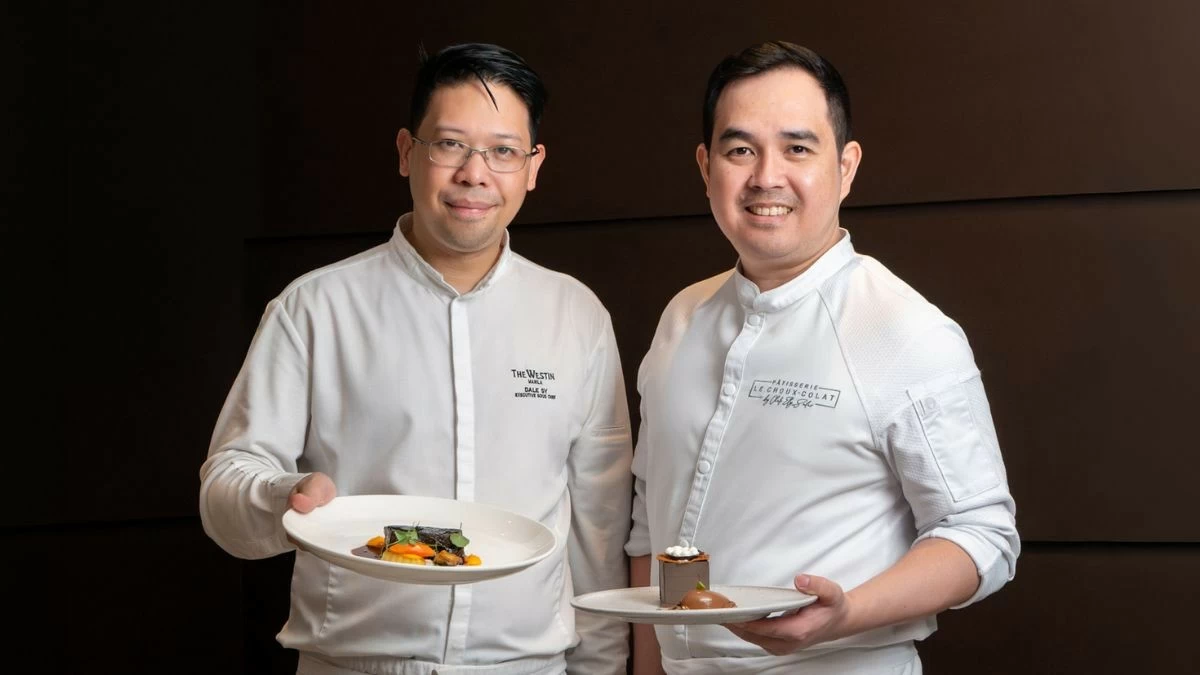
SWEET COLLABORATION The Westin Manila Executive Sous Chef Daryl Yulo Sy and Chef Ely Salar of Le Choux-Colat and Aton Cacao Philippines team up to celebrate Philippine cacao through a limited-time seven-course degustation and Green Mondays dessert showcase (Photo: The Westin Manila)
Chef Ely was there throughout the evening, chatting with members of the media as comfortably as if welcoming guests into his own home.
After spending years working abroad as a pastry chef—including at the Pomeroy Kananaskis Mountain Lodge in Canada—and earning Red Seal Chef and Journeyman Baker certifications, Ely found himself asking a simple question. If the Philippines grows cacao, why are so many chefs still relying on imported chocolate? That thought eventually led him and his wife, Jiannina, to establish Le Choux-Colat before creating Aton Cacao, a company built around showcasing Philippine-grown couverture chocolate.
"Aton," he explained, means "ours" in Waray-Waray, his native language in Leyte.
It is an appropriately simple name for a project rooted in equally simple convictions—that Filipino farmers deserve recognition, that Philippine cacao deserves a place alongside respected international chocolates, and that every dessert made using local cacao helps strengthen an industry that has long remained in the background.
Those ideas became easier to understand once dinner began. Instead of serving a conventional tasting menu, The Westin Manila's Executive Sous Chef Daryl Yulo Sy and Chef Ely built the experience around the actual chocolate-making process. Each course corresponded to one phase of cacao's transformation, reminding diners that before chocolate becomes something sweet, it undergoes a long journey of cultivation, fermentation, drying, roasting, refining, and tempering.
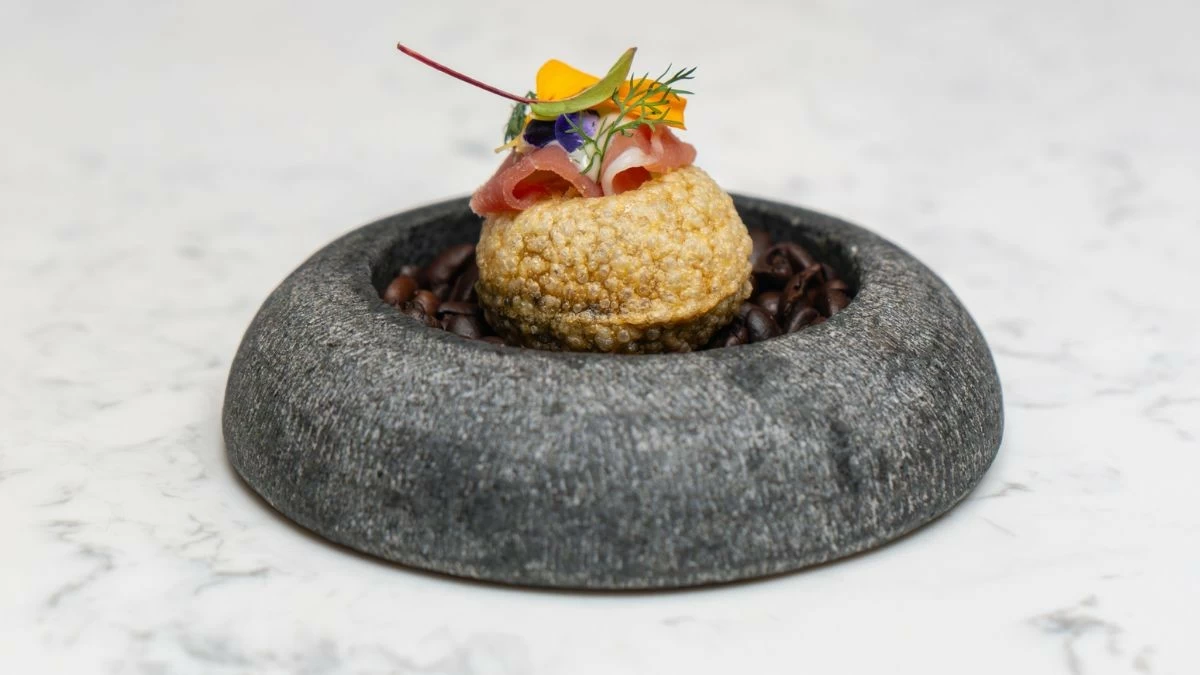
FIRST HARVEST Harvest opens the seven-course degustation with a puri shell filled with cocoa espuma, cured ham, and freshly grated Batangas cacao nibs (Photo: The Westin Manila)
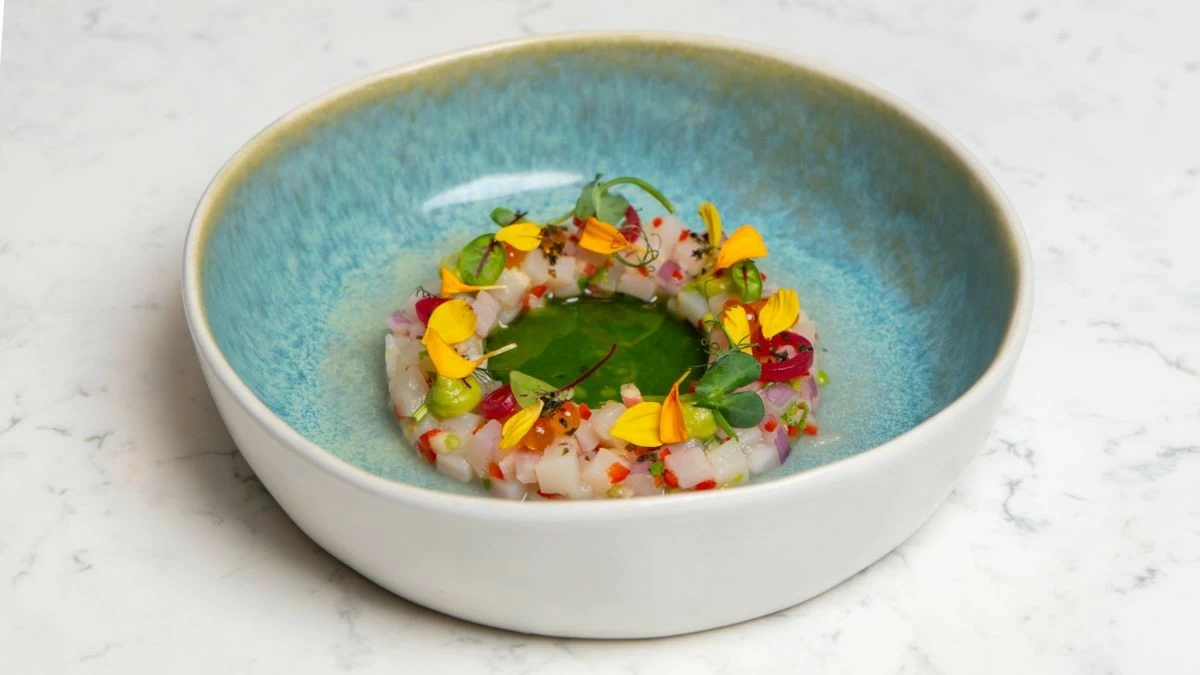
FRESH BEGINNING Scallops ceviche is paired with avocado, Samar cacao fermented vinegar, and herb oil to represent the fermentation stage of chocolate making (Photo: The Westin Manila)
The opening course, Harvest, arrived as a delicate puri shell filled with cocoa espuma, topped with cured ham and finished with freshly grated Batangas cacao nibs. It was a playful bite that immediately challenged expectations. Chocolate wasn't announcing itself through sweetness. Instead, cacao appeared as seasoning, adding depth and earthiness to a savory dish. Paired with sparkling Cuvée Brut, it offered an elegant introduction to what would become an evening of pleasant surprises.
Fermentation followed through a bright scallops ceviche (one of my favorites) seasoned with vinegar fermented from Samar-grown cacao, before the next stage—Drying and Roasting—reimagined one of the country's most familiar comfort foods. Samar cacao found its way into an adlai champurrado topped with dried fish espuma and crisp rice wafers, transforming a childhood breakfast into something refined without losing the comforting flavors that made it recognizable in the first place.
One of the most notable courses arrived during Winnowing. Grouper was gently poached in Misamis cocoa butter and miso, accompanied by burnt cauliflower purée, glazed broccoli, and seaweed powder. The cocoa butter enhanced the fish, proving that cacao has a place far beyond pastries and desserts.
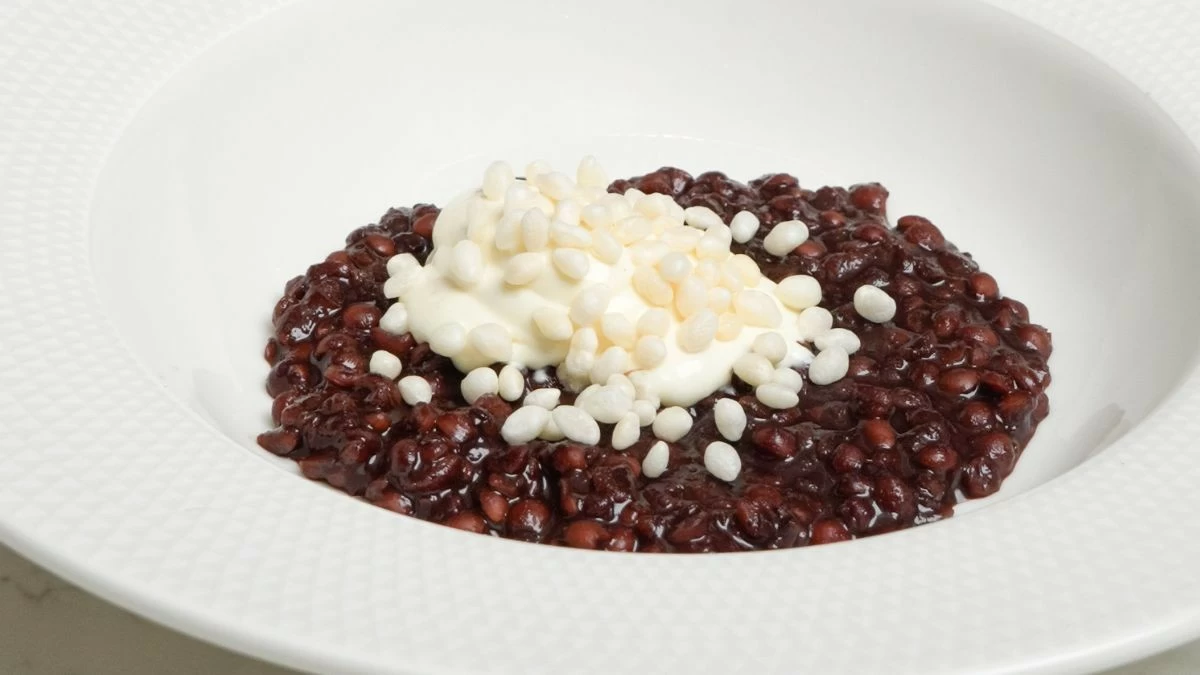
COMFORT REIMAGINED Adlai champurrado made with Samar cacao is topped with dried fish espuma and rice crisps, giving the Filipino comfort dish a refined interpretation (Photo: The Westin Manila)
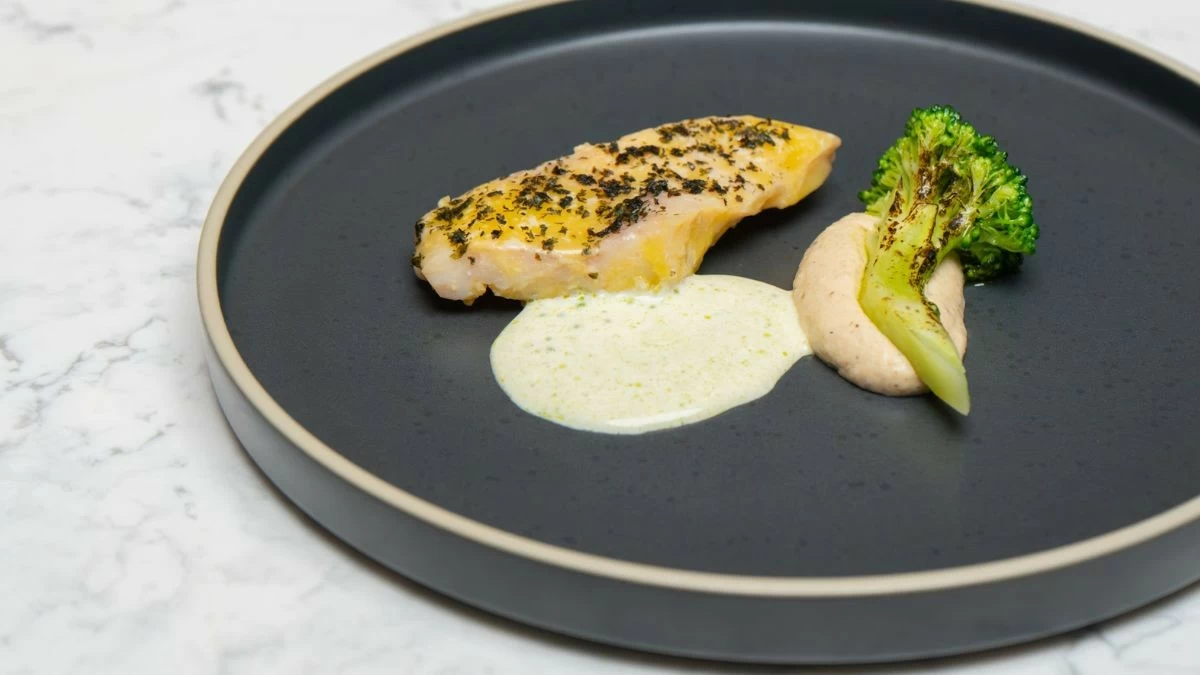
COCOA BUTTER Grouper poached in Misamis cocoa butter and miso is served with burnt cauliflower, seaweed powder, and glazed broccoli during the winnowing course (Photo: The Westin Manila)
By the time the menu reached Grinding and Refining, the flavors had grown richer. Wagyu aged with Leyte cacao cocoa powder shared the plate with smoked beef short ribs, celeriac purée, and a smoked cacao husk jus. Even parts of the cacao often discarded found new purpose, reflecting both Ely's advocacy for Philippine cacao and The Westin Manila's own commitment to sustainability and minimizing waste in the kitchen. Chef Daryl explained that maximizing ingredients while reducing waste has long been part of the hotel's culinary philosophy, making cacao a fitting ingredient through which to tell that story.
Only after diners had experienced cacao in multiple savory forms did chocolate finally return in the way most people expect.
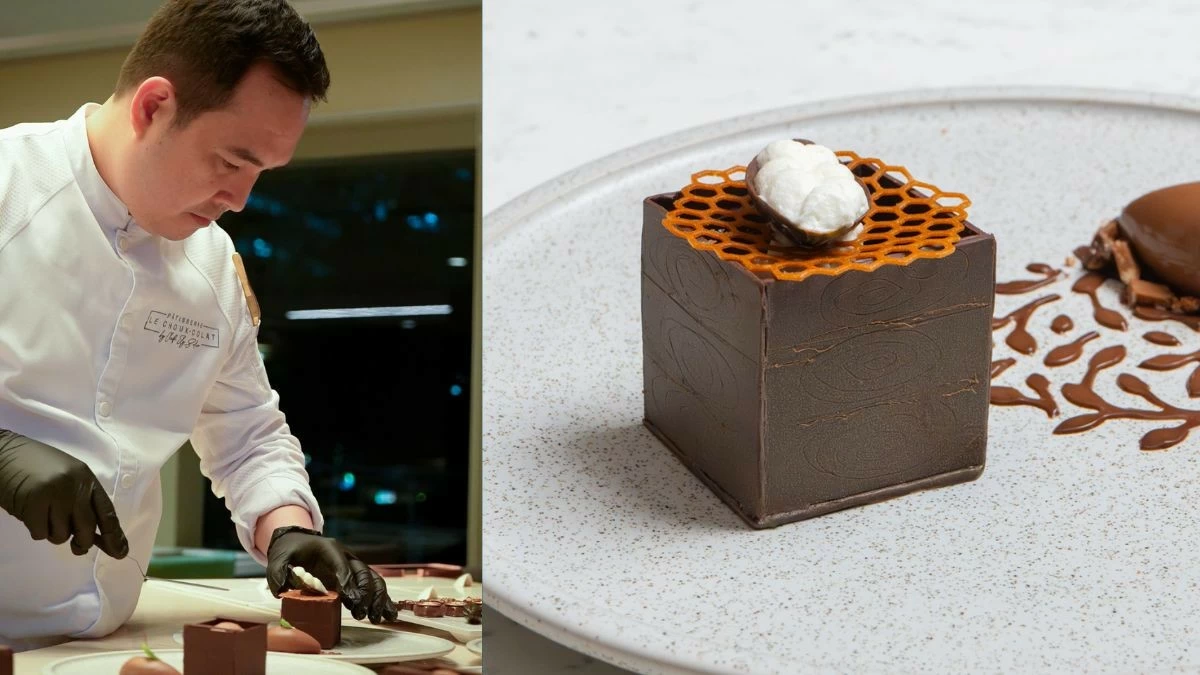
Conching celebrated texture through three distinct Philippine chocolates by Aton Cacao. A Samar 64 percent dark chocolate crémeux rested beside Misamis white chocolate ganache, while Leyte cacao nib crunch added contrast to guava-mango confit, lakatan sponge cake, and tablea gelato presented inside a box inspired by the fermentation crates used by cacao farmers. It was perhaps the course that best illustrated the dinner's concept—connecting the work done on farms with what eventually arrives on the dining table.
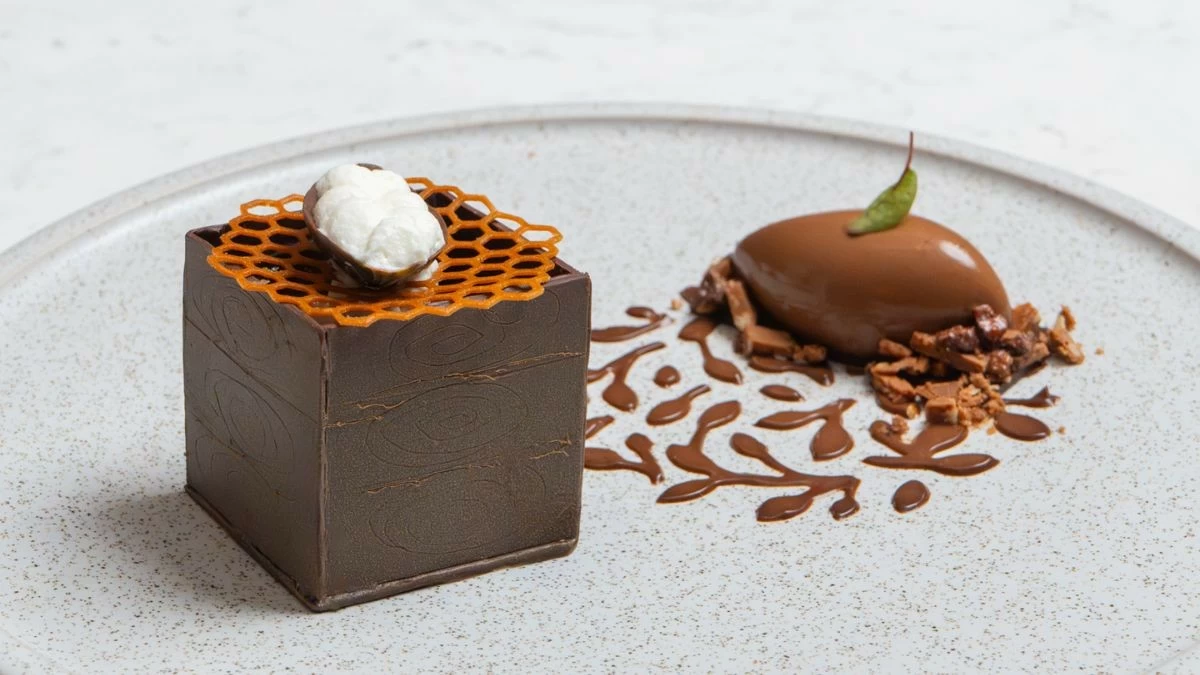
SWEET TEXTURES Guava-mango confit, lakatan sponge cake, tablea gelato, and three Philippine cacao chocolate textures showcase the conching stage of chocolate making(Photo: The Westin Manila)
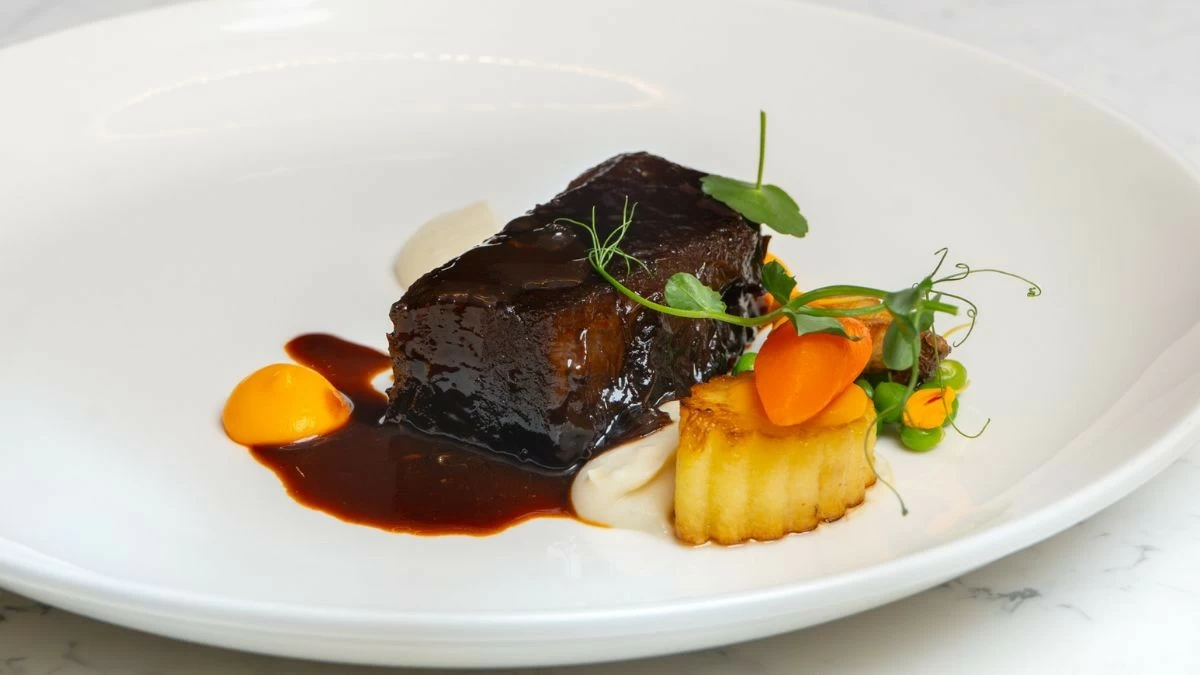
AGED TO PERFECTION Leyte cacao cocoa powder-aged Wagyu and smoked beef short ribs are paired with celeriac purée and smoked cacao husk jus (Photo: The Westin Manila)
Tempering concluded the experience with artisan bonbons showcasing Aton Cacao's 58 percent Luzvi chocolate. Honey, caramel, malunggay, guyabano, sugar-free chocolate, and pili nuts came together in bite-sized confections that demonstrated both technical precision and restraint. Rather than ending on overwhelming sweetness, the final course highlighted balance, allowing the chocolate itself to remain the centerpiece.
Listening to Chef Ely throughout the evening, it became increasingly clear that this collaboration wasn't simply about creating another hotel tasting menu.
It was about changing perceptions.
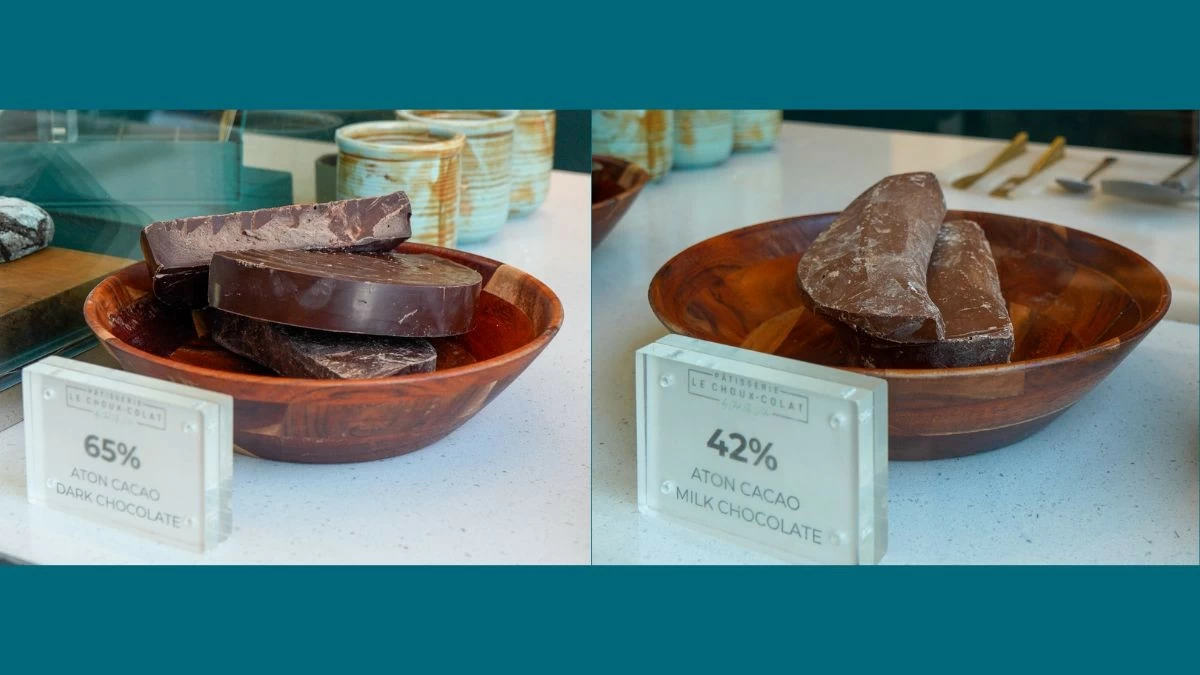
Many diners still associate chocolate almost exclusively with desserts, while many chefs continue to view imported couverture as the benchmark. Chef Ely hopes to challenge both assumptions. For years, Aton Cacao supplied the chocolate behind his pastries and confections at Le Choux-Colat before expanding to make the same couverture available to chefs, hotels, cafés, bakeries, and food manufacturers who want to work with Philippine-grown cacao. Every purchase, he explained, supports Filipino farmers while encouraging greater appreciation for local ingredients.
(Photo: The Westin Manila)
The collaboration extends beyond the degustation. Until Aug. 31, Green Mondays at The Westin Manila's Seasonal Tastes lunch buffet will feature a dessert station curated by chef Ely. Diners can enjoy creations such as adlai champurrado with Misamis white chocolate, Elements of Cacao, malunggay ube cheesecake made with Aton Cacao's 38 percent Mairete chocolate from Leyte, sweet potato chocolate tart, and a calamansi passionfruit croissant. The sustainability-focused Green Mondays series, launched by the hotel in 2024, continues to spotlight local chefs, producers, and ingredients while promoting mindful dining.
For those seeking the complete experience, the seven-course “Cacao Degustation: Story of Philippine Cacao in Phases and Plates” will be offered on two evenings only—today, July 7, World Chocolate Day, and Aug. 3—from 6 p.m. to 10 p.m. at P4,500 nett per person, with an optional wine pairing for an additional P1,800.