






Manila Bulletin
 Lifestyle
Health and Wellness
Nature and nutrition: The vital connection between the environment and human wellness
Lifestyle
Health and Wellness
Nature and nutrition: The vital connection between the environment and human wellness
Lifestyle
Health and Wellness
Nature and nutrition: The vital connection between the environment and human wellness
Nature and nutrition: The vital connection between the environment and human wellness
By Cheshire Que
Published Jul 7, 2026 11:40 am
|
Updated Jul 11, 2026 11:43 am


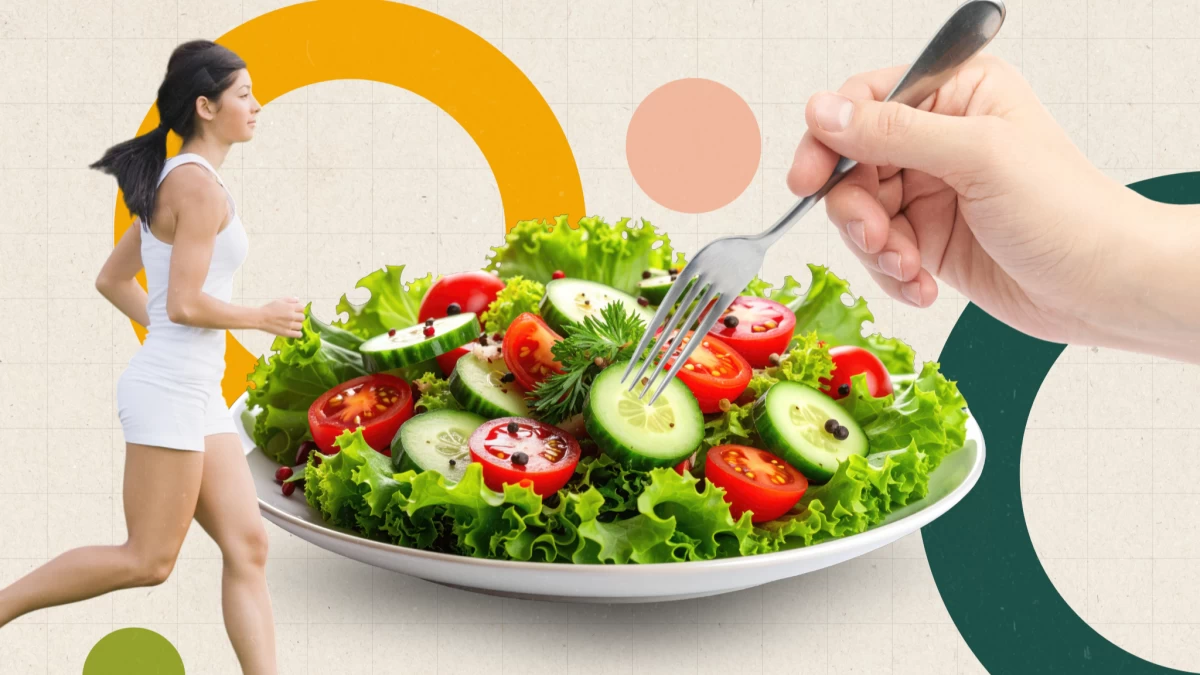
Have you ever thought about how the natural environment affects your nutritional status and overall health? The reality is, whether food is readily available on the table or not, we do not usually associate it with environmental factors such as climate change, raising sea levels, and disrupted ecosystems. Rather, the first thing we think about is how our finances impact our food supply and the quality of the food that we consume. However, when we look beyond ourselves and our needs, the bigger picture shows us that there is a connection between nature and our nutritional status.
July is Nutrition Month in the Philippines. Each year, the country promotes awareness to improve the nutritional status of Filipinos since the Presidential Decree No. 491 was issued. The Nutrition Act of the Philippines was signed into law by President Ferdinand E. Marcos on June 25, 1974.
In celebration of Nutrition Month, the National Nutrition Council Technical Committee, which is composed of different bureaus, offices, and organizations, collectively approved the theme “Nutrisyon at Kalikasan, Ating Pangalagaan!” This sub-theme is under the Nutrition Month campaign “Sa PPAN (Philippine Plan of Action for Nutrition), Sama-Sama sa Nutrisyong Sapat Para sa Lahat,” that was launched in July 2024.
This year’s sub-theme will focus on PPAN programs that promote sustainable and nutrition-sensitive food systems until 2028. It aims to emphasize the vital connection between nutrition and our environment through the protection of natural resources. Thus, ensuring sustainable food systems, food security, and optimum nutrition for all Filipinos at present and in the future.
Climate change, as a result of global warming, can no longer be ignored. This environmental crisis that we are experiencing globally, from heavier rainfall and long periods of droughts to melting glaciers, increasing sea levels, soil erosion, decreased soil fertility, and more, negatively impacts sources of nutritious food. The agricultural productivity, fisheries, and other food supply chains are affected, causing disruptions in food production, availability, and food quality.
The National Nutrition Council’s massive efforts in implementing coordinated nutrition interventions and facilitating multi-sectoral collaboration are crucial in advancing policies and programs to promote proper nutrition throughout the life cycle.
As the National Nutrition Council puts it: “As we celebrate Nutrition Month 2026, let us recognize that the health of people and the health of the planet are inseparable. By adopting sustainable food practices, reducing food waste, supporting local and climate-resilient food production, and strengthening nutrition programs, we can build resilient food systems and ensure better nutrition for all Filipinos—while caring for the environment that sustains us.”
As ordinary Filipino citizens, we can also do our part in preserving our natural environment, as well as optimizing our health and nutrition. The solution is to adapt or transition into a plant-based way of eating. If you cannot give up meat, then adapting a plant-predominant diet is the best thing to do. It will not only be beneficial to your overall health, as proven by science, but it will also help the environment in bigger ways than you can think of.
How does a plant-based diet help the environment? Did you know that in order to produce 4.5 kilograms of beef for your steak, it will require a huge amount of water that is equivalent to a year’s supply, enough to hydrate a family of four? That is approximately 2.8 million liters of water, assuming one person consumes eight cups of water per day.
It does not end with water. The cattle that are needed to produce beef would need to be fed grains, too. It takes two football fields worth of grain per year to feed cattle that will be consumed by one meat-eater alone. That is way more than the one football field worth of grains required to feed seven plant-based eaters in one year!
The current global population is more than eight billion. The surface of the earth is approximately eight billion acres that is equivalent to six billion football fields for planting. We do not even have enough space to plant food, even if we are all plant-based eaters. If we are meat-eaters, we would require two more planets and even more as the population increases.
If you wish to hit two birds with one stone by becoming healthier while preserving our environment, begin by transitioning to a plant-predominant diet. You do not need to say goodbye to animal-based products. Rather, reduce the portions of meat and other animal-based products like milk and consume more vegetables, fruits, and whole grains. You can also try to have at least one vegetarian meal a day for starters. As you put more life-giving food into your body, you are also contributing something good for the environment.