ADVERTISEMENT

Beyond video games: Stepping back to see the big picture

Published Jul 3, 2026 01:27 pm

School shootings don’t happen in the Philippines, or so we thought. The San Jose National High School shooting in Tacloban last June 22, 2026, has shaken the country to its core. The inconceivable aftermath of the tragedy has seen three fatalities, 20 injuries, and two arrests.

These have all raised questions: How did this happen? How should the perpetrators, who are both minors, be held accountable? Who else should be held accountable?    

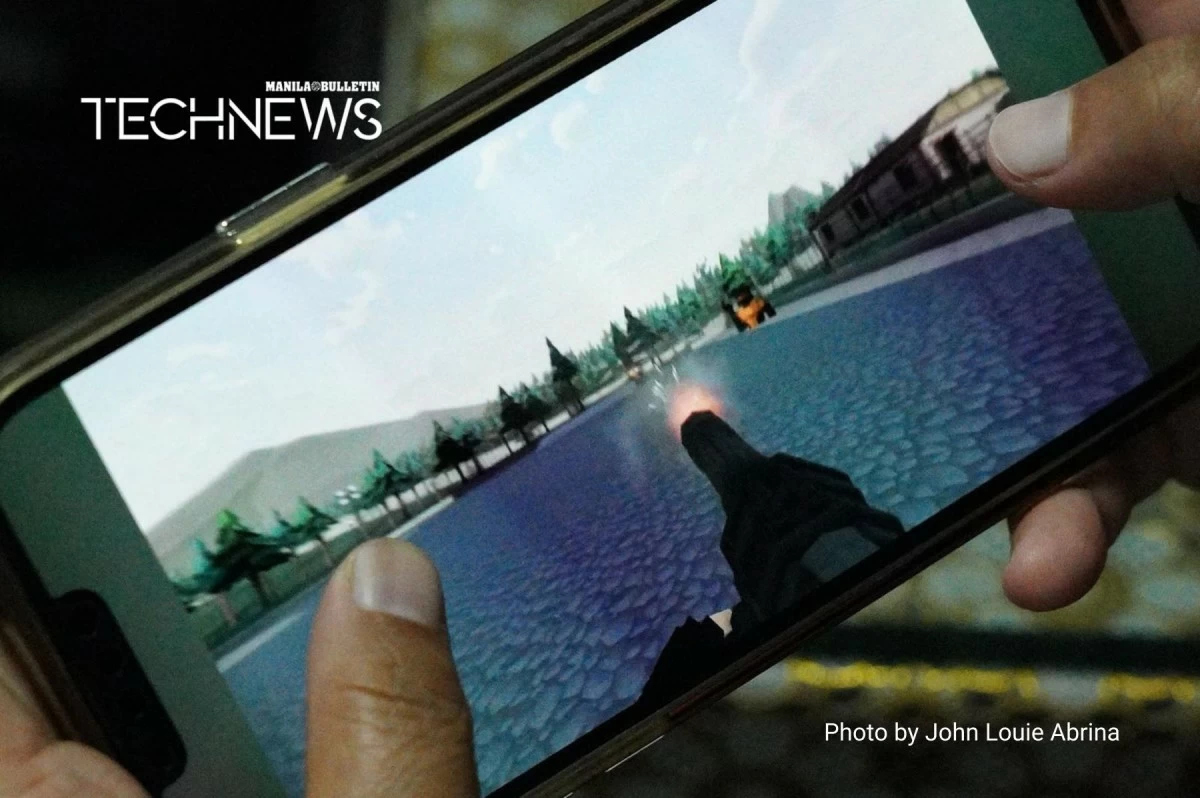
Video games were an early and easy scapegoat to the tragedy due to one of the suspects having been identified as often playing ‘Gorebox,’ a sandbox game, with an 18 and up only rating. The CICC (Cybercrime Investigation and Coordinating Center) has announced that Gorebox has already been blocked. Unfortunately, it’s not as easy or as simple as that.
In sheep’s clothing

Senator Risa Hontiveros, who is leading the Senate investigation on the shooting, has linked the online extremist group called “764” to the incident. The senator said that the extremist group may have played a part in influencing the shooters to carry out the attack. Hontiveros went on to say that the “764” group was tagged by the FBI (Federal Bureau of Investigation) in the United States as a “national security threat”. The Canadian government has also tagged them as a terrorist group.

The group allegedly targets and reaches out to vulnerable minors online through games like Roblox, Minecraft, and Gorebox, where they are given a sense of belonging, isolated, before being encouraged to perform violent and harmful acts.

Back in March, the Philippine National Police (PNP) successfully rescued seven minors who were recruited through an online game to carry out a mass shooting.

Can’t see the forest for the trees
While it is easy and convenient to blame video games or even the parents in incidents like these, it is also important to step back and see the bigger picture. To see the whole forest, and not just a couple of trees in front of you. To see that there is a darker, nefarious network at play, and that banning certain games is only a band-aid solution, this would only urge children to look for other ways and means to access these games and/or groups.  It would be naïve to think that these dangers don’t exist on the internet, because they do.

As we grapple with the unimaginable loss of innocent lives and the evil lurking beyond screens that intends to corrupt our children, preventing another Tacloban incident is more than just a game being banned or parents keeping a close eye on their children.

Without a doubt, it is more imperative that parents know what their children are doing online and with whom they are communicating. The responsibility, of course, does not fall on the parents alone; game developers should also ensure that the games they create are appropriately tagged with the correct age rating, and safety measures for underage children should be set in place. It is also the responsibility of government agencies to ensure that these safety guardrails are there and are working to protect our children.

It takes a village

Cliché as it may sound, it really needs a village to raise a child; this also goes for ensuring that our children are safe. As children, we are taught not to speak with strangers; the same awareness and lessons should also be given when it comes to using the internet.

Aside from close parental guidance and ensuring their use of the internet is guided and supervised, resources should also be put in place to ensure that physical safety and mental welfare are also given importance. Now, these are all challenges, given that the actual state of classrooms already leaves a lot to be desired. But such is the burden that we all must bear in this changing landscape.

School shootings don’t happen in the Philippines, or so we thought.

Related Tags

gorebox roblox game dev Video game
ADVERTISEMENT
.most-popular .layout-ratio{ padding-bottom: 79.13%; } @media (min-width: 768px) and (max-width: 1024px) { .widget-title { font-size: 15px !important; } }

{{ articles_filter_1561_widget.title }}

.most-popular .layout-ratio{ padding-bottom: 79.13%; } @media (min-width: 768px) and (max-width: 1024px) { .widget-title { font-size: 15px !important; } }

{{ static_articles_1562_widget.title }}

.most-popular .layout-ratio{ padding-bottom: 79.13%; } @media (min-width: 768px) and (max-width: 1024px) { .widget-title { font-size: 15px !important; } }

{{ articles_filter_1563_widget.title }}

{{ articles_filter_1564_widget.title }}

.mb-article-details { position: relative; } .mb-article-details .article-body-preview, .mb-article-details .article-body-summary{ font-size: 17px; line-height: 30px; font-family: "Libre Caslon Text", serif; color: #000; } .mb-article-details .article-body-preview iframe , .mb-article-details .article-body-summary iframe{ width: 100%; margin: auto; } .read-more-background { background: linear-gradient(180deg, color(display-p3 1.000 1.000 1.000 / 0) 13.75%, color(display-p3 1.000 1.000 1.000 / 0.8) 30.79%, color(display-p3 1.000 1.000 1.000) 72.5%); position: absolute; height: 200px; width: 100%; bottom: 0; display: flex; justify-content: center; align-items: center; padding: 0; } .read-more-background a{ color: #000; } .read-more-btn { padding: 17px 45px; font-family: Inter; font-weight: 700; font-size: 18px; line-height: 16px; text-align: center; vertical-align: middle; border: 1px solid black; background-color: white; } .hidden { display: none; }
function initializeAllSwipers() { // Get all hidden inputs with cms_article_id document.querySelectorAll('[id^="cms_article_id_"]').forEach(function (input) { const cmsArticleId = input.value; const articleSelector = '#article-' + cmsArticleId + ' .body_images'; const swiperElement = document.querySelector(articleSelector); if (swiperElement && !swiperElement.classList.contains('swiper-initialized')) { new Swiper(articleSelector, { loop: true, pagination: false, navigation: { nextEl: '#article-' + cmsArticleId + ' .swiper-button-next', prevEl: '#article-' + cmsArticleId + ' .swiper-button-prev', }, }); } }); } setTimeout(initializeAllSwipers, 3000); const intersectionObserver = new IntersectionObserver( (entries) => { entries.forEach((entry) => { if (entry.isIntersecting) { const newUrl = entry.target.getAttribute("data-url"); if (newUrl) { history.pushState(null, null, newUrl); let article = entry.target; // Extract metadata const author = article.querySelector('.author-section').textContent.replace('By', '').trim(); const section = article.querySelector('.section-info ').textContent.replace(' ', ' '); const title = article.querySelector('.article-title h1').textContent; // Parse URL for Chartbeat path format const parsedUrl = new URL(newUrl, window.location.origin); const cleanUrl = parsedUrl.host + parsedUrl.pathname; // Update Chartbeat configuration if (typeof window._sf_async_config !== 'undefined') { window._sf_async_config.path = cleanUrl; window._sf_async_config.sections = section; window._sf_async_config.authors = author; } // Track virtual page view with Chartbeat if (typeof pSUPERFLY !== 'undefined' && typeof pSUPERFLY.virtualPage === 'function') { try { pSUPERFLY.virtualPage({ path: cleanUrl, title: title, sections: section, authors: author }); } catch (error) { console.error('ping error', error); } } // Optional: Update document title if (title && title !== document.title) { document.title = title; } } } }); }, { threshold: 0.1 } ); function showArticleBody(button) { const article = button.closest("article"); const summary = article.querySelector(".article-body-summary"); const body = article.querySelector(".article-body-preview"); const readMoreSection = article.querySelector(".read-more-background"); // Hide summary and read-more section summary.style.display = "none"; readMoreSection.style.display = "none"; // Show the full article body body.classList.remove("hidden"); } document.addEventListener("DOMContentLoaded", () => { let loadCount = 0; // Track how many times articles are loaded const offset = [1, 2, 3, 4, 5, 6, 7, 8, 9, 10]; // Offset values const currentUrl = window.location.pathname.substring(1); let isLoading = false; // Prevent multiple calls if (!currentUrl) { console.log("Current URL is invalid."); return; } const sentinel = document.getElementById("load-more-sentinel"); if (!sentinel) { console.log("Sentinel element not found."); return; } function isSentinelVisible() { const rect = sentinel.getBoundingClientRect(); return ( rect.top < window.innerHeight && rect.bottom >= 0 ); } function onScroll() { if (isLoading) return; if (isSentinelVisible()) { if (loadCount >= offset.length) { console.log("Maximum load attempts reached."); window.removeEventListener("scroll", onScroll); return; } isLoading = true; const currentOffset = offset[loadCount]; window.loadMoreItems().then(() => { let article = document.querySelector('#widget_1690 > div:nth-last-of-type(2) article'); intersectionObserver.observe(article) loadCount++; }).catch(error => { console.error("Error loading more items:", error); }).finally(() => { isLoading = false; }); } } window.addEventListener("scroll", onScroll); });

Sign up by email to receive news.