







Peso to regain footing on lower oil prices, hawkish BSP—MUFG
El Niño threatens recovery
By Derco Rosal


At A Glance
- Japanese financial giant MUFG Bank, Ltd. expects the Philippine peso to gradually regain footing against the United States (US) dollar on the back of falling oil prices, improving state spending, and additional interest rate hikes from the Bangko Sentral ng Pilipinas (BSP).
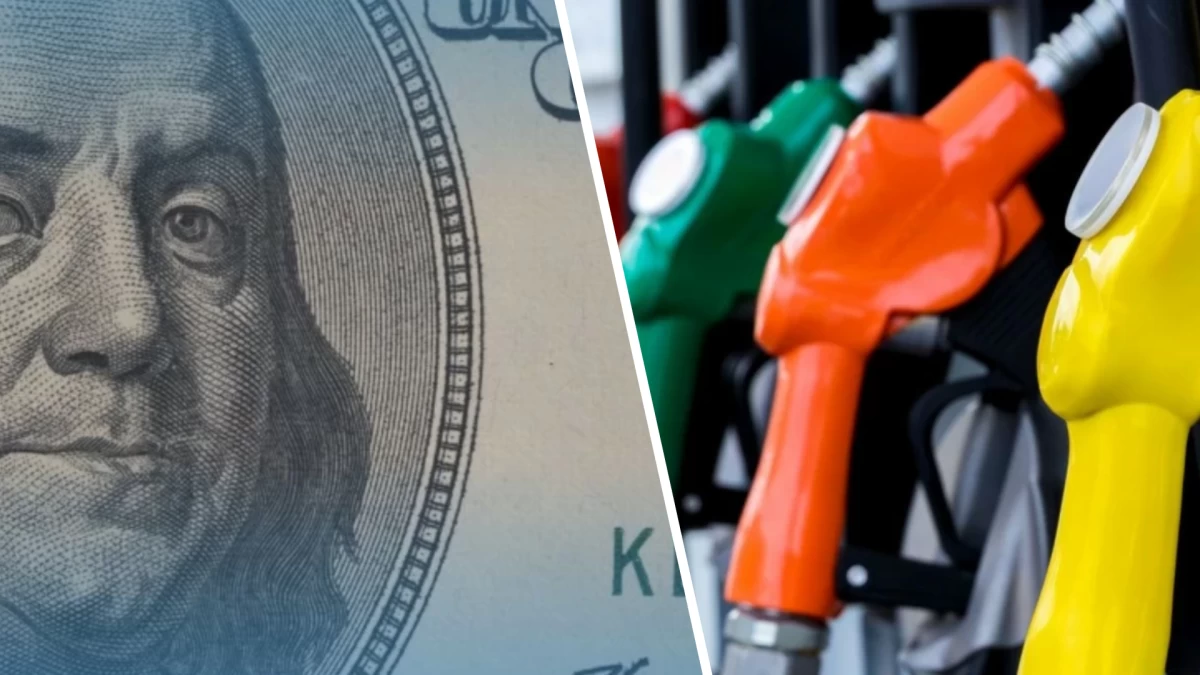
Japanese financial giant MUFG Bank Ltd. expects the Philippine peso to gradually regain footing against the United States (US) dollar on the back of lower oil prices, improving government spending, and additional interest rate hikes by the Bangko Sentral ng Pilipinas (BSP).
MUFG Global Markets Research said in a July 1 report that the local currency strengthened against the greenback in June, a period marked by a temporary ceasefire between the US and Iran and a quarter-point policy rate hike to 4.75 percent by the central bank—a move further supported by hawkish guidance.
Foreign exchange (forex) data monitored by the Japanese lender showed the peso strengthened against the US dollar to ₱61.318:$1 from ₱61.587:$1. This appreciation prompted MUFG analysts to forecast the US dollar-peso pair to decline gradually until it returns to the ₱60:$1 level.
“We forecast peso strengthening gradually, supported by a hawkish BSP, low oil prices, coupled with some tentative improvement in government spending,” MUFG said.
Specifically, MUFG believes the peso could still weaken to ₱61.50:$1 in the third quarter before strengthening to ₱61:$1 in the fourth quarter. By early 2027, the peso is expected to strengthen further to ₱60.50:$1 before settling at ₱60:$1 in the second quarter.
MUFG’s positive outlook for the currency hinges on the hawkish tone of local monetary authorities, with the lender expecting the BSP to raise its key borrowing rate “twice more” in 2026. With an additional cumulative 50-basis-point (bp) increase, the benchmark rate is seen peaking at 5.25 percent by year-end.
This tightening cycle is intended to anchor inflation expectations, although MUFG expects the BSP to shift toward easing once price pressures subside.
MUFG said it expects the BSP to “reverse its rate hikes in 2027 starting in the second quarter once we get greater confidence on a moderation in year-on-year inflation.” It specifically forecasts the benchmark rate to end 2027 at 4.5 percent, 75 bps below the expected peak.
Aside from interest rates, MUFG pointed to the crucial role of global commodity markets in stabilizing the peso, saying lower energy costs are essential to improving the country’s balance of payments.
“With our expectation for oil prices to remain low, we think the trade deficit can narrow moving forward, providing some support for the peso,” MUFG said.
MUFG said its peso outlook is anchored on an improving trade balance, with a narrowing interest rate differential and a smaller trade deficit expected to support the local currency over the longer term.
Meanwhile, several headwinds could derail this recovery path. Domestic issues, including food supply, as well as external pressures from US monetary policy, remain major factors. “Key risks to watch for include a more hawkish US Federal Reserve (Fed) and the impact of a possible super El Niño on domestic food prices,” MUFG said.
Still, the Japanese lender believes the US dollar will remain on a downward trajectory because the US Fed is “unlikely to validate current market pricing of US rate increases.”