

ADVERTISEMENT

House probe on declining Philippine ube industry eyed

Published Jun 30, 2026 03:32 pm

At A Glance

  • Rep. Karl Legazpi files HR No. 1166 urging a House probe into the decline of the Philippine ube industry despite rising global demand.
  • Ube production drops from over 15,000 metric tons in 2021 to 12,483 metric tons in 2025, with challenges including fragmented farming, limited planting materials, climate risks, and weak farmer incomes.
  • The resolution calls for government, researchers, farmers, and stakeholders to strengthen production, research, competitiveness, and ensure Filipino farmers benefit from global market opportunities.
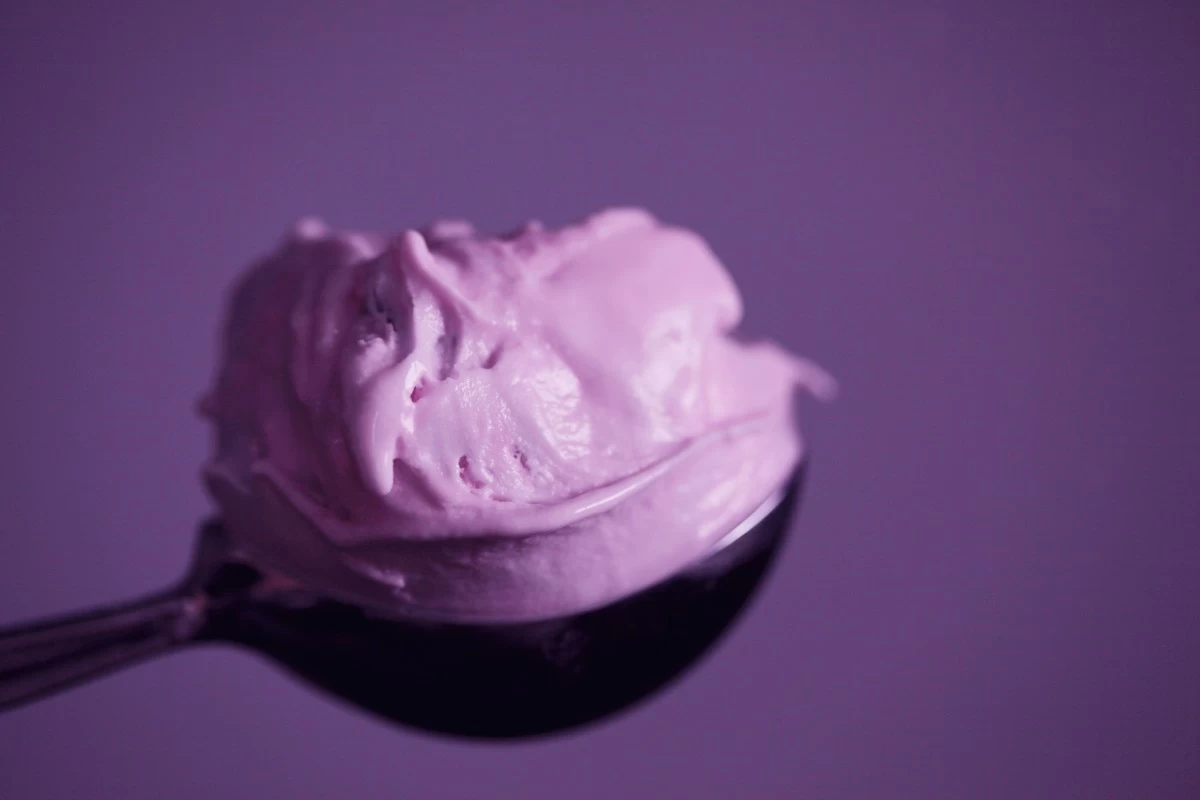
Ube ice cream (Unsplash)


Pinoy Workers Party-list Rep. Karl Fernandez Legazpi is prodding the House of Representatives to conduct a probe in aid of legislation on the apparent decline of the country's ube (purple yam) industry.
In filing House Resolution (HR) No. 1166, Legazpi expressed concern over the weakening production of ube in the country despite the increase in global demand for the product.
“Despite increasing global demand, Philippine ube production has declined from more than 15,000 metric tons in 2021 to 12,483.31 metric tons in 2025, raising concerns regarding the country's capacity to meet market demand and capitalize on emerging opportunities,” HR No. 1166 read.
“Ube is more than just a popular Filipino dessert ingredient. It is part of our culture, our agricultural heritage, and one of the products most closely associated with the Philippines around the world. From traditional halaya to modern pastries, ice cream, and beverages, ube has become a symbol of Filipino identity and creativity” Legazpi said.
He noted that the House Committee on Agriculture and food should lead the inquiry, not only to check the state of the Philippine ube industry but also to recognize its cultural, agricultural and economic significance.
He said the investigation should assess the competitiveness of the country’s ube industry in the global market and identify measures to strengthen the industry for the benefit of the Filipino farmers and rural communities.
The proposed inquiry also seeks to bring together government agencies, researchers, farmers, processors, exporters, and other stakeholders to identify practical solutions that will help increase production, improve farmer incomes, strengthen research and development, and create more opportunities for Philippine-grown Ube both locally and abroad.
“Ube production supports the livelihoods of farmers, workers, traders, processors, and small enterprises across the agricultural value chain and presents growing opportunities for rural economic development and export growth,” Legazpi said.
“Other countries such as Vietnam and China have invested in production systems, research and development, processing and export-oriented strategies for ube and ube-derived products, highlighting the need for the country to assess and strengthen its competitiveness in a rapidly growing global market,” he added.
The party-list congressman cited that available industry studies and government data indicate that the Philippine ube industry faces several challenges, including declining domestic production, fragmented farming operations, limited availability of planting materials, climate and pest-related risks, and the unequal distribution of value across the supply chain that constrains farmers’ income and industry growth.
Legazpi said the ongoing research initiatives by the Department of Agriculture (DA), the Philippine Root Crop Research and Training Center (PhilRootcrops), the Philippine Genome Center for Agriculture, and other institutions reinforced the need for research, propagation, and varietal improvement in increasing yields, strengthening climate resilience, and improving the competitiveness of Philippine ube.
With the production dip, Filipino farmers "risk missing out on the growing opportunities created by a product that proudly represents the country,” Legazpi said.
He says that HR No. 1166 will help ensure that Filipino farmers, not just foreign markets, benefit from the growing demand for a product that proudly represents the Philippines as more countries are embracing Ube.
“This is not only about ube. It is about giving more opportunities to the Filipino people whose livelihoods depend on this industry, from our farmers up to small businessmen. If the market for ube continues to grow worldwide, opportunities for the Filipinos must also grow,” Legazpi underscored.

Related Tags

Ube PINOY WORKERS Party-list Karl Legazpi House of Representatives
ADVERTISEMENT
.most-popular .layout-ratio{ padding-bottom: 79.13%; } @media (min-width: 768px) and (max-width: 1024px) { .widget-title { font-size: 15px !important; } }

{{ articles_filter_1561_widget.title }}

.most-popular .layout-ratio{ padding-bottom: 79.13%; } @media (min-width: 768px) and (max-width: 1024px) { .widget-title { font-size: 15px !important; } }

{{ static_articles_1562_widget.title }}

.most-popular .layout-ratio{ padding-bottom: 79.13%; } @media (min-width: 768px) and (max-width: 1024px) { .widget-title { font-size: 15px !important; } }

{{ articles_filter_1563_widget.title }}

{{ articles_filter_1564_widget.title }}

.mb-article-details { position: relative; } .mb-article-details .article-body-preview, .mb-article-details .article-body-summary{ font-size: 17px; line-height: 30px; font-family: "Libre Caslon Text", serif; color: #000; } .mb-article-details .article-body-preview iframe , .mb-article-details .article-body-summary iframe{ width: 100%; margin: auto; } .read-more-background { background: linear-gradient(180deg, color(display-p3 1.000 1.000 1.000 / 0) 13.75%, color(display-p3 1.000 1.000 1.000 / 0.8) 30.79%, color(display-p3 1.000 1.000 1.000) 72.5%); position: absolute; height: 200px; width: 100%; bottom: 0; display: flex; justify-content: center; align-items: center; padding: 0; } .read-more-background a{ color: #000; } .read-more-btn { padding: 17px 45px; font-family: Inter; font-weight: 700; font-size: 18px; line-height: 16px; text-align: center; vertical-align: middle; border: 1px solid black; background-color: white; } .hidden { display: none; }
function initializeAllSwipers() { // Get all hidden inputs with cms_article_id document.querySelectorAll('[id^="cms_article_id_"]').forEach(function (input) { const cmsArticleId = input.value; const articleSelector = '#article-' + cmsArticleId + ' .body_images'; const swiperElement = document.querySelector(articleSelector); if (swiperElement && !swiperElement.classList.contains('swiper-initialized')) { new Swiper(articleSelector, { loop: true, pagination: false, navigation: { nextEl: '#article-' + cmsArticleId + ' .swiper-button-next', prevEl: '#article-' + cmsArticleId + ' .swiper-button-prev', }, }); } }); } setTimeout(initializeAllSwipers, 3000); const intersectionObserver = new IntersectionObserver( (entries) => { entries.forEach((entry) => { if (entry.isIntersecting) { const newUrl = entry.target.getAttribute("data-url"); if (newUrl) { history.pushState(null, null, newUrl); let article = entry.target; // Extract metadata const author = article.querySelector('.author-section').textContent.replace('By', '').trim(); const section = article.querySelector('.section-info ').textContent.replace(' ', ' '); const title = article.querySelector('.article-title h1').textContent; // Parse URL for Chartbeat path format const parsedUrl = new URL(newUrl, window.location.origin); const cleanUrl = parsedUrl.host + parsedUrl.pathname; // Update Chartbeat configuration if (typeof window._sf_async_config !== 'undefined') { window._sf_async_config.path = cleanUrl; window._sf_async_config.sections = section; window._sf_async_config.authors = author; } // Track virtual page view with Chartbeat if (typeof pSUPERFLY !== 'undefined' && typeof pSUPERFLY.virtualPage === 'function') { try { pSUPERFLY.virtualPage({ path: cleanUrl, title: title, sections: section, authors: author }); } catch (error) { console.error('ping error', error); } } // Optional: Update document title if (title && title !== document.title) { document.title = title; } } } }); }, { threshold: 0.1 } ); function showArticleBody(button) { const article = button.closest("article"); const summary = article.querySelector(".article-body-summary"); const body = article.querySelector(".article-body-preview"); const readMoreSection = article.querySelector(".read-more-background"); // Hide summary and read-more section summary.style.display = "none"; readMoreSection.style.display = "none"; // Show the full article body body.classList.remove("hidden"); } document.addEventListener("DOMContentLoaded", () => { let loadCount = 0; // Track how many times articles are loaded const offset = [1, 2, 3, 4, 5, 6, 7, 8, 9, 10]; // Offset values const currentUrl = window.location.pathname.substring(1); let isLoading = false; // Prevent multiple calls if (!currentUrl) { console.log("Current URL is invalid."); return; } const sentinel = document.getElementById("load-more-sentinel"); if (!sentinel) { console.log("Sentinel element not found."); return; } function isSentinelVisible() { const rect = sentinel.getBoundingClientRect(); return ( rect.top < window.innerHeight && rect.bottom >= 0 ); } function onScroll() { if (isLoading) return; if (isSentinelVisible()) { if (loadCount >= offset.length) { console.log("Maximum load attempts reached."); window.removeEventListener("scroll", onScroll); return; } isLoading = true; const currentOffset = offset[loadCount]; window.loadMoreItems().then(() => { let article = document.querySelector('#widget_1690 > div:nth-last-of-type(2) article'); intersectionObserver.observe(article) loadCount++; }).catch(error => { console.error("Error loading more items:", error); }).finally(() => { isLoading = false; }); } } window.addEventListener("scroll", onScroll); });

Sign up by email to receive news.