ADVERTISEMENT

The (r)evolution of a queer night out

Remembering the nights, the people, and the hidden spaces that shaped a generation of queer Filipinos

Published Jun 28, 2026 07:37 am
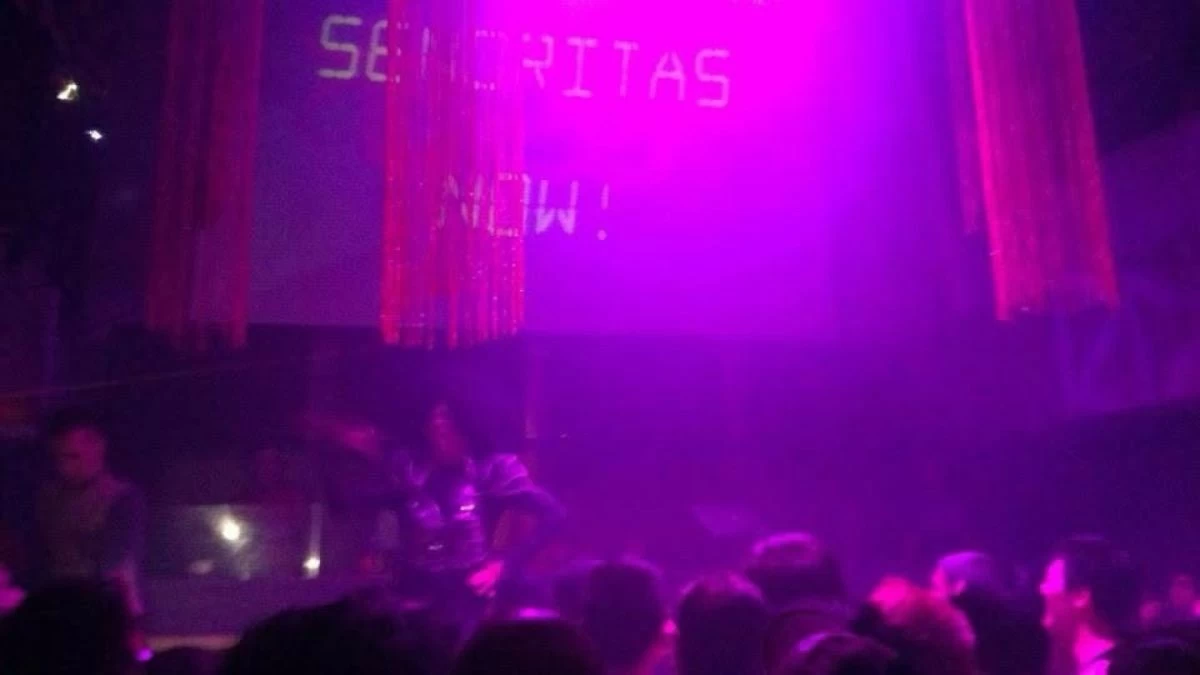
PARTYING, 2000S STYLE Partygoers pack the dance floor at Bed Malate, then one of Manila's most iconic LGBTQ  nightlife destinations and the heart of the city's queer community (Photo: Brian Tenorio Facebook Memorial Page)
PARTYING, 2000S STYLE Partygoers pack the dance floor at Bed Malate, then one of Manila's most iconic LGBTQ nightlife destinations and the heart of the city's queer community (Photo: Brian Tenorio Facebook Memorial Page)
Who remembers Geocities? That free web hosting service? I remember the countless websites made through it in the 2000s. I was young then, just a few years into college, looking at a Geocities-made website with a map—one that honestly looked more like a treasure map—to a place in Malate called Bed.
Going to Bed, there was no big signage, but you knew you had arrived at the right spot because there were always oodles of people outside, lining up at the door.
By the time I first found my way there, Bed Malate—officially known as Bed Bar and Club—had already become the epicenter of Manila’s queer nightlife. Found along Orosa Street, it was known for its packed dance floor, drag performances, themed parties, and go-go dancers, drawing crowds from across the metro and beyond. More importantly, it offered something many queer Filipinos were still searching for at the time: a place where they could simply be themselves and find community.
Getting there during my youth was always a challenge because there was almost always a line. Fortunately, I had one of my early guides as a young queer man: Brian Tenorio, renowned for his shoe designs and other creative ventures. I met him through one of my mentors at Ateneo, Panch Alcaraz, who had been Brian’s orgmate. One wink from Brian to the doorman, and we’d skip the line and head straight inside.
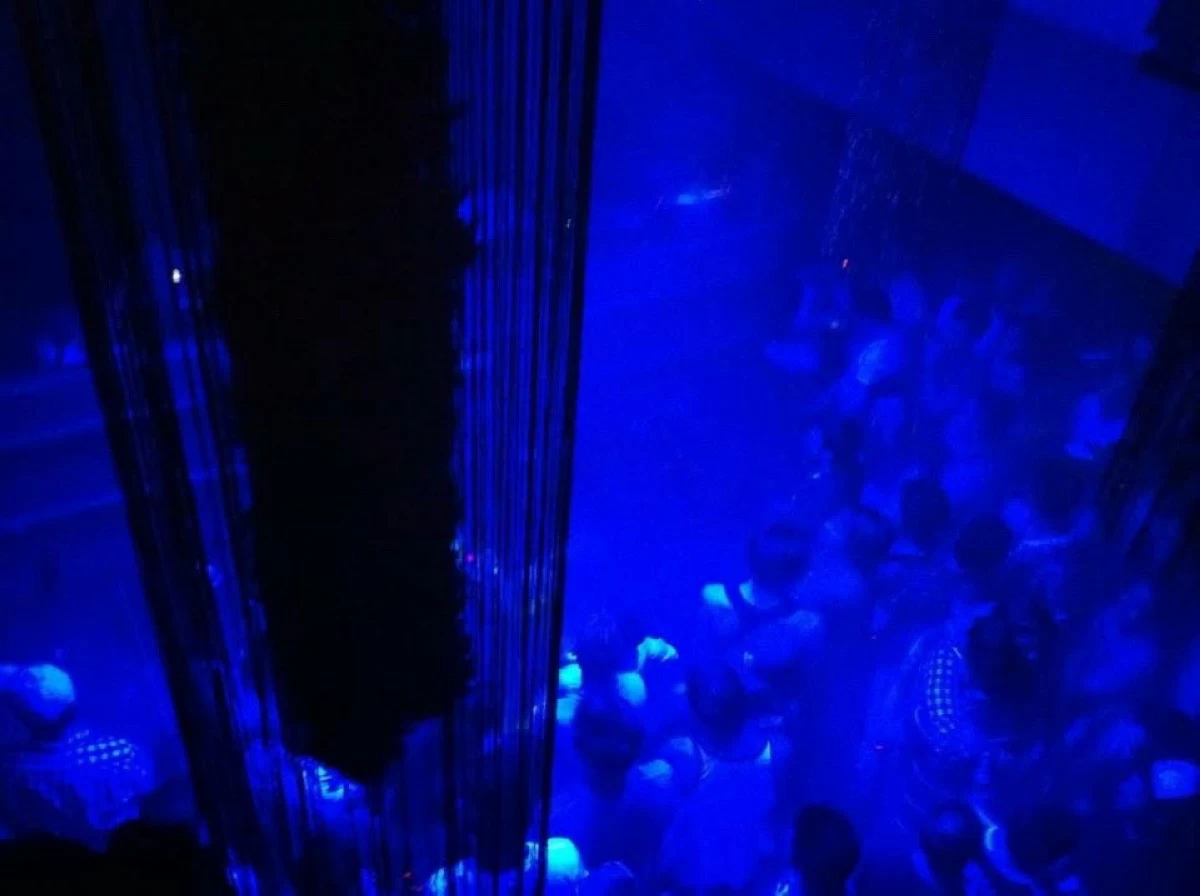
(Photo: Brian Tenorio Facebook Memorial Page)
Inside was a different world of lights, music, dancing, and freedom. People from all walks of life were there—doctors coming straight from nearby Philippine General Hospital, designers and fashionistas, young professionals, foreigners, longtime Malate residents, everyone. Bed was also where I watched my first drag show, danced until morning, then transferred to nearby OBar, just a few steps away, to dance in an even crampier space until sunrise.
Afterward, we’d have breakfast at a nearby tapsilogan before heading home, some even going straight to church since it was often already Sunday morning.
I remember Malate as the epicenter of my queer awakening. I miss the ruckus during every White Party—which made a comeback—the sea of people dressed in white, some wearing barely anything at all, the sense of community, the camaraderie. It was a different time.
Malate was our enclave. Remember, this was the early to late 2000s, when queer spaces still needed to be tucked away, almost secret. Then I witnessed the shift toward a more accepting society. By the 2010s, queer life had slowly moved into the mainstream. There was less need to hide. You could walk into almost any establishment and generally feel welcome—or at least safer than before. We still have a long way to go, and our society could always use more kindness and tolerance, but we have made progress.
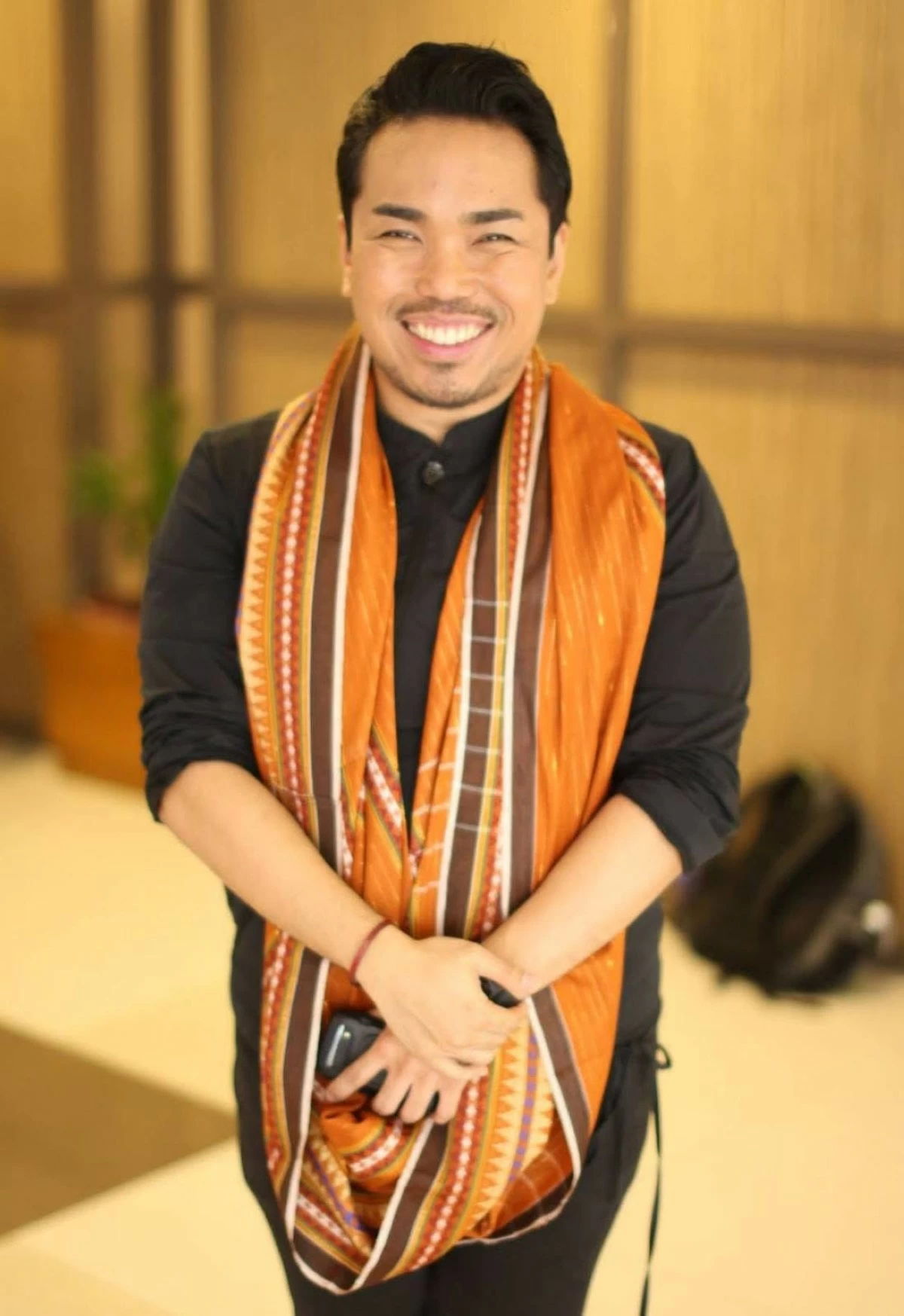
BRIAN TENORIO Designer and entrepreneur remembered not only for his creative work but also for his lasting influence on Manila's LGBTQ  community and the generation that found a home in Malate (Photo: Brian Tenorio Facebook Memorial Page)
BRIAN TENORIO Designer and entrepreneur remembered not only for his creative work but also for his lasting influence on Manila's LGBTQ community and the generation that found a home in Malate (Photo: Brian Tenorio Facebook Memorial Page)
When Bed closed in 2013, it symbolized more than the end of a nightclub. It marked the gradual decline of Malate as the center of Manila’s LGBTQ+ nightlife. The community had begun moving elsewhere, with newer hotspots emerging in Makati, Bonifacio Global City, and Quezon City. Dating apps also changed how people met, while worsening traffic and changing demographics reshaped the city’s nightlife.
I miss those days despite all the good changes we have today. The mood, the music, the people—I made so many friends there, many of whom remain close friends today. I found a community that cared.
Many of those establishments are gone now. So is my mentor Brian, who died of cancer in July 2020. For me, that marked the end of an era. He was one of the last vanguards of that queer generation: sophisticated, secure, stylish. We don’t see many like them today, just as we don’t see many places like the old Bed Malate.

(Photo: Brian Tenorio Facebook Memorial Page)
Bed wasn’t just a club. It was a maverick. It was activism. The people there were standing and fighting for something, and there was an electricity to it all. Today, we’ve won a few battles, and life has become, in many ways, more settled. There are still fights to be fought, but they’re no longer quite the same. I suppose this is how old soldiers feel—grateful for the victories, yet still nostalgic for the battles that shaped them.
I hope the future brings even brighter things for the community. But there are nights when I miss those hidden spaces, that world between worlds in old Malate. I miss the people who are no longer here and those of us left to remember.
Sometimes, when I close my eyes while sitting in some new bar with good music, I can almost hear the old war cries, see the bright neon lights of old Malate, and the people who filled those nights.
Oh, how they shined.

Related Tags

Manila Bulletin Lifestyle Brian Tenorio Bed Bar and Club Malate
ADVERTISEMENT
.most-popular .layout-ratio{ padding-bottom: 79.13%; } @media (min-width: 768px) and (max-width: 1024px) { .widget-title { font-size: 15px !important; } }

{{ articles_filter_1561_widget.title }}

.most-popular .layout-ratio{ padding-bottom: 79.13%; } @media (min-width: 768px) and (max-width: 1024px) { .widget-title { font-size: 15px !important; } }

{{ static_articles_1562_widget.title }}

.most-popular .layout-ratio{ padding-bottom: 79.13%; } @media (min-width: 768px) and (max-width: 1024px) { .widget-title { font-size: 15px !important; } }

{{ articles_filter_1563_widget.title }}

{{ articles_filter_1564_widget.title }}

.mb-article-details { position: relative; } .mb-article-details .article-body-preview, .mb-article-details .article-body-summary{ font-size: 17px; line-height: 30px; font-family: "Libre Caslon Text", serif; color: #000; } .mb-article-details .article-body-preview iframe , .mb-article-details .article-body-summary iframe{ width: 100%; margin: auto; } .read-more-background { background: linear-gradient(180deg, color(display-p3 1.000 1.000 1.000 / 0) 13.75%, color(display-p3 1.000 1.000 1.000 / 0.8) 30.79%, color(display-p3 1.000 1.000 1.000) 72.5%); position: absolute; height: 200px; width: 100%; bottom: 0; display: flex; justify-content: center; align-items: center; padding: 0; } .read-more-background a{ color: #000; } .read-more-btn { padding: 17px 45px; font-family: Inter; font-weight: 700; font-size: 18px; line-height: 16px; text-align: center; vertical-align: middle; border: 1px solid black; background-color: white; } .hidden { display: none; }
function initializeAllSwipers() { // Get all hidden inputs with cms_article_id document.querySelectorAll('[id^="cms_article_id_"]').forEach(function (input) { const cmsArticleId = input.value; const articleSelector = '#article-' + cmsArticleId + ' .body_images'; const swiperElement = document.querySelector(articleSelector); if (swiperElement && !swiperElement.classList.contains('swiper-initialized')) { new Swiper(articleSelector, { loop: true, pagination: false, navigation: { nextEl: '#article-' + cmsArticleId + ' .swiper-button-next', prevEl: '#article-' + cmsArticleId + ' .swiper-button-prev', }, }); } }); } setTimeout(initializeAllSwipers, 3000); const intersectionObserver = new IntersectionObserver( (entries) => { entries.forEach((entry) => { if (entry.isIntersecting) { const newUrl = entry.target.getAttribute("data-url"); if (newUrl) { history.pushState(null, null, newUrl); let article = entry.target; // Extract metadata const author = article.querySelector('.author-section').textContent.replace('By', '').trim(); const section = article.querySelector('.section-info ').textContent.replace(' ', ' '); const title = article.querySelector('.article-title h1').textContent; // Parse URL for Chartbeat path format const parsedUrl = new URL(newUrl, window.location.origin); const cleanUrl = parsedUrl.host + parsedUrl.pathname; // Update Chartbeat configuration if (typeof window._sf_async_config !== 'undefined') { window._sf_async_config.path = cleanUrl; window._sf_async_config.sections = section; window._sf_async_config.authors = author; } // Track virtual page view with Chartbeat if (typeof pSUPERFLY !== 'undefined' && typeof pSUPERFLY.virtualPage === 'function') { try { pSUPERFLY.virtualPage({ path: cleanUrl, title: title, sections: section, authors: author }); } catch (error) { console.error('ping error', error); } } // Optional: Update document title if (title && title !== document.title) { document.title = title; } } } }); }, { threshold: 0.1 } ); function showArticleBody(button) { const article = button.closest("article"); const summary = article.querySelector(".article-body-summary"); const body = article.querySelector(".article-body-preview"); const readMoreSection = article.querySelector(".read-more-background"); // Hide summary and read-more section summary.style.display = "none"; readMoreSection.style.display = "none"; // Show the full article body body.classList.remove("hidden"); } document.addEventListener("DOMContentLoaded", () => { let loadCount = 0; // Track how many times articles are loaded const offset = [1, 2, 3, 4, 5, 6, 7, 8, 9, 10]; // Offset values const currentUrl = window.location.pathname.substring(1); let isLoading = false; // Prevent multiple calls if (!currentUrl) { console.log("Current URL is invalid."); return; } const sentinel = document.getElementById("load-more-sentinel"); if (!sentinel) { console.log("Sentinel element not found."); return; } function isSentinelVisible() { const rect = sentinel.getBoundingClientRect(); return ( rect.top < window.innerHeight && rect.bottom >= 0 ); } function onScroll() { if (isLoading) return; if (isSentinelVisible()) { if (loadCount >= offset.length) { console.log("Maximum load attempts reached."); window.removeEventListener("scroll", onScroll); return; } isLoading = true; const currentOffset = offset[loadCount]; window.loadMoreItems().then(() => { let article = document.querySelector('#widget_1690 > div:nth-last-of-type(2) article'); intersectionObserver.observe(article) loadCount++; }).catch(error => { console.error("Error loading more items:", error); }).finally(() => { isLoading = false; }); } } window.addEventListener("scroll", onScroll); });

Sign up by email to receive news.