







The little tricks that make a better fish and chips
A Father's Day cooking class with chef Kalel Chan proved that restaurant-quality seafood isn't just about the ingredients—it's about learning the small techniques that make all the difference
Published Jun 27, 2026 08:27 am


(Photo: Cold Storage Seafood)
I have attended more cooking demonstrations than I can count.
Most are entertaining. Some are informative. But every now and then, you walk away having learned something so wonderfully simple that you immediately want to try it at home.
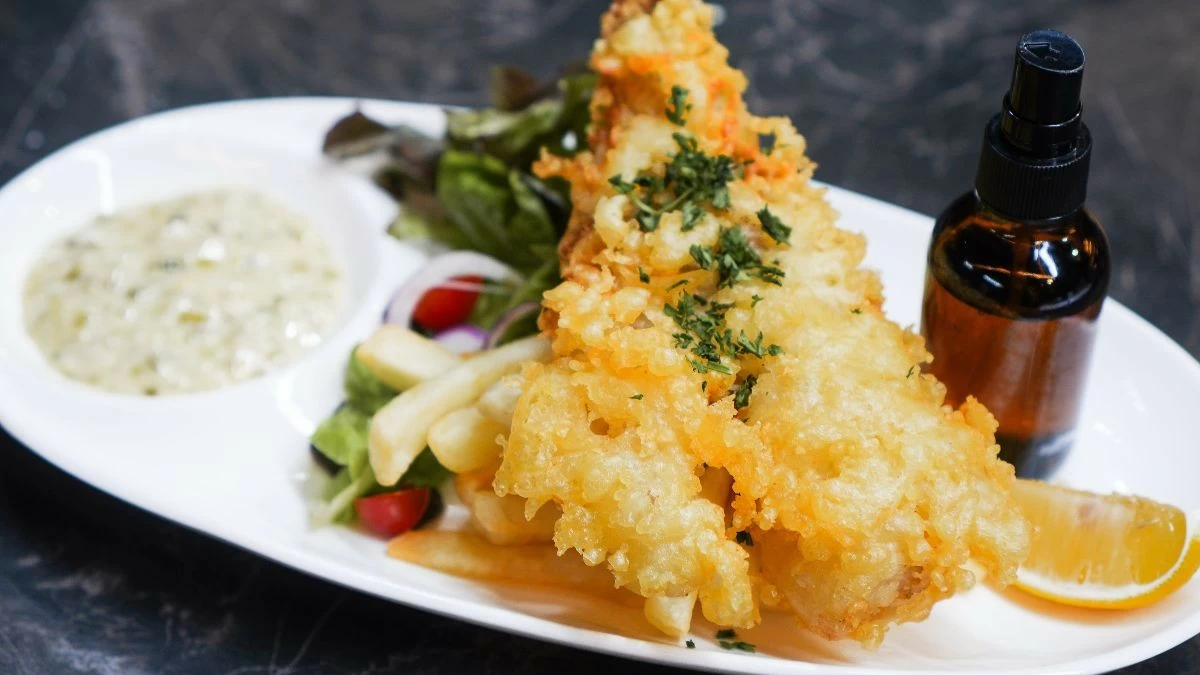
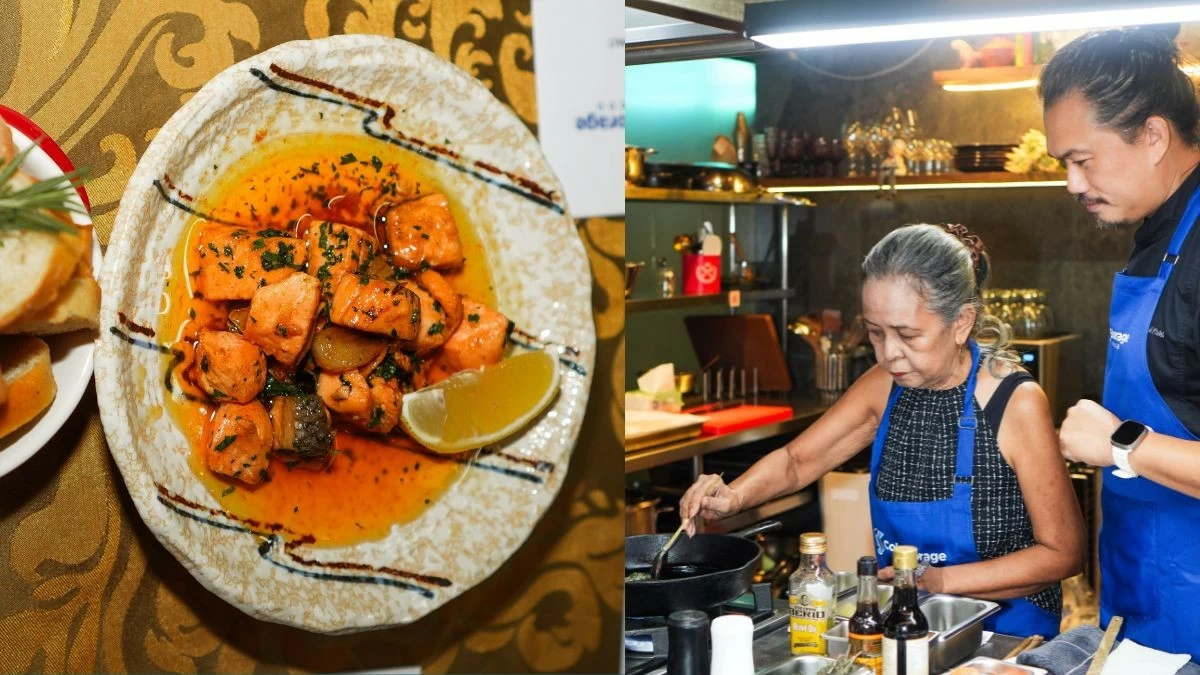
That was exactly what happened during Cold Storage Seafood’s Father’s Day cooking class, “Dad’s Table: A Father’s Day Seafood Fest,” where chef Kalel Chan—one of the minds behind Lobby 385—showed the media and members of the brand’s loyalty club, how to prepare two approachable seafood dishes: Fish and Chips using Alaskan pollock fillet and Salmon Salpicao made with Norwegian salmon.
As someone who enjoys cooking every now and then, I thought I already knew my way around a pan. Apparently, I still had a few things to learn.
The first lesson came while frying the fish.
Rather than dropping the battered fillet straight into the hot oil, Kalel demonstrated how to dip one end of the fish into the oil first, holding it there briefly before gently lowering the rest. That pause allows the batter to begin setting, helping the fillet float naturally instead of sinking to the bottom of the pan, where the coating can stick or tear. It is such a simple technique, yet one that instantly made sense once you saw it done.
(Photo: Cold Storage Seafood)
Then came another tip that home cooks often overlook: sparkling water.
Kalel uses sparkling water in his batter to create a lighter, crispier coating. The bubbles help aerate the mixture, resulting in a crust that stays delicate rather than heavy. Fish and chips may look like one of the simplest dishes to prepare, but as Kalel explained, getting that satisfying crunch takes more technique than most people realize.
“Fish and chips is a classic dish that so many people love,” he said. “It may look simple on the plate, but mastering it requires a lot of technique. In my years of experience, I’ve found ways to improve it every single time I cook it, and that’s exactly why I want to share these techniques with home cooks.”
That spirit of sharing defined the afternoon.
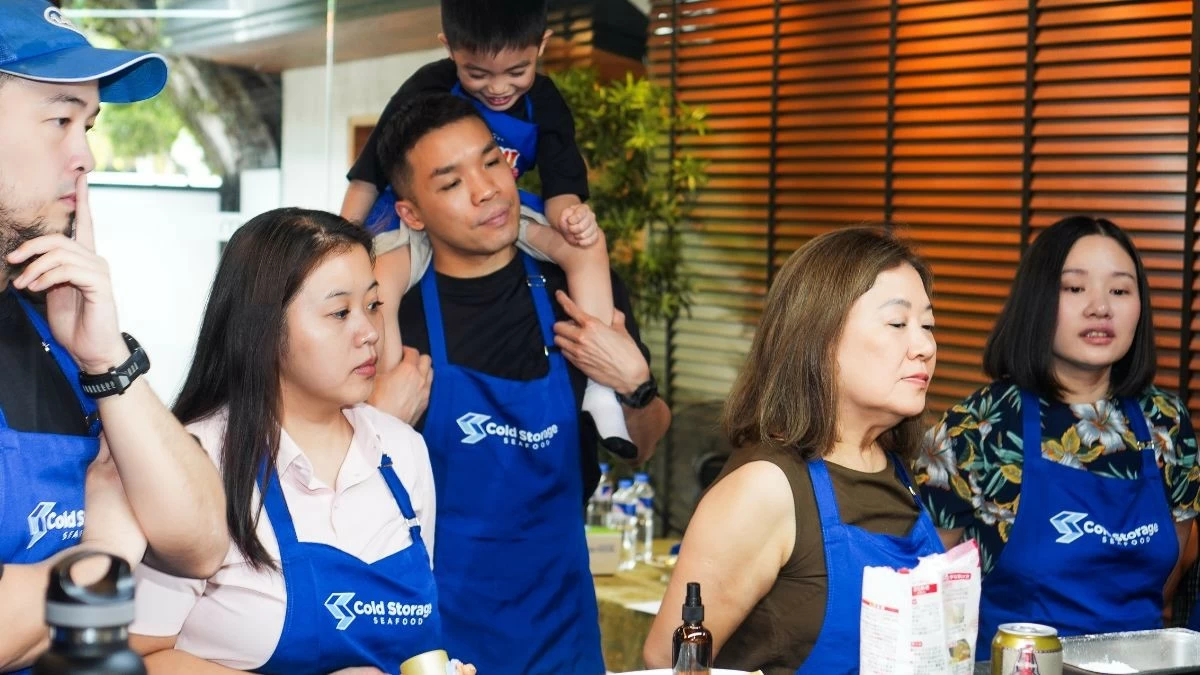
Held at UM Kitchen Studio, the members-exclusive class brought together seafood enthusiasts eager to pick up practical kitchen skills rather than simply watch a demonstration from afar. Participants followed Kalel through every step of the recipes, learning how to prepare, cook and season the seafood while asking questions along the way.
(Photo: Cold Storage Seafood)
The second dish, Salmon Salpicao made with Norwegian salmon, showed just how versatile seafood can be. Familiar flavors met quality ingredients in a recipe that felt both accessible and suitable for entertaining, whether for Father’s Day or an ordinary family dinner.
For Kalel, convenience should never come at the expense of quality.
“Cold Storage Seafood is incredibly accessible; you can find it at your favorite grocery store right around the corner,” he said. “Because it’s high-quality and beautifully portioned, it brings ultimate convenience to your kitchen without compromising on taste.”
That was the biggest takeaway from the afternoon.
Restaurant cooking is not always about expensive equipment or complicated recipes. More often, it comes down to thoughtful techniques learned over years in the kitchen—small lessons that transform the way we cook.