

ADVERTISEMENT

Palace sees stronger economic growth in 2nd half of 2026 despite lower GDP outlook

Published Jun 25, 2026 03:23 pm

At A Glance

  • Malacañang expects the Philippine economy to improve in the second half of 2026 despite the government's lower growth forecast for the year.
  • The Palace attributed the downgrade to the global oil crisis and slower infrastructure spending as the government reviewed questionable flood control projects.
  • The government said it will accelerate high-quality infrastructure investments and improve budget execution to sustain long-term growth.
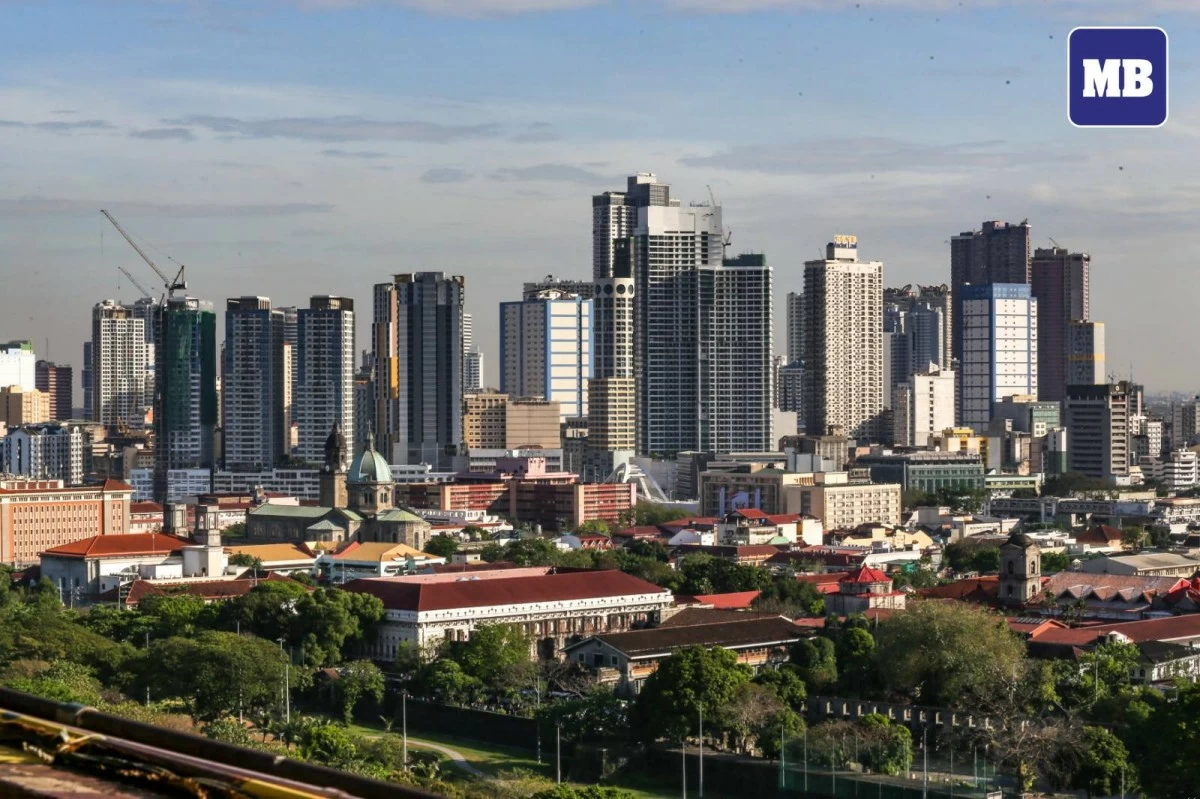
File photo
File photo

Malacañang expressed confidence that the Philippine economy will post stronger growth in the second half of the year despite the government's decision to lower its gross domestic product (GDP) growth forecast for 2026.

Presidential Communications Office (PCO) Undersecretary Claire Castro said this after the Development Budget Coordination Committee (DBCC) recently lowered its GDP growth forecast for 2026 to 3.5 percent from 4.5 percent, below the government's original target of five to six percent.

In a press briefing on Thursday, June 25, Castro said the government's economic managers expect economic activity to improve as infrastructure spending accelerates following earlier delays in budget implementation.

"Ang sabi po sa atin, since ngayon po gumaganda na po ang paggastos sa imprastraktura. Nakikita niyo naman po. So nakikita po second half, this year, ay malamang magkaroon na po ng konting improvement (We were told that infrastructure spending is now improving, as you can see. So, in the second half of this year, we are likely to see some improvement),” she said.

Oil crisis, flood control review blamed

Castro said the downgrade was driven by external and domestic factors, particularly the global oil crisis and the government's decision to exercise greater caution in releasing funds for infrastructure projects.

"Ang nangyari po kasi dito, dahil mayroon tayong kinaharap na global oil crisis at yun po ang nakikita ng economic team natin kung bakit nagkaroon ng ganitong sitwasyon (What happened was that we were confronted with a global oil crisis, and our economic team sees this as one of the reasons for the current situation),” she said.

She added that infrastructure spending slowed after the administration tightened its review of projects following the controversy surrounding alleged anomalous flood control projects.

“Hindi agad gumastos ang gobyerno. Pinag-aralan mabuti at hindi basta-basta inilabas ang pondo (The government did not immediately spend. Funds were carefully reviewed and were not released hastily),” Castro said.

“Isa po ito sa naging dahilan kung bakit medyo humina po ang growth ng ekonomiya ng bansa (This was one of the reasons why the country's economic growth slowed somewhat),” she added.

Gov't to ramp up infrastructure spending

Castro said Department of Budget and Management (DBM) Secretary Kim de Leon believes the government now needs to increase spending, particularly on infrastructure, while maintaining safeguards against misuse of public funds.

“Ngayon sa pamumuno ni Secretary Kim de Leon, maliban po sa pag-iingat, kailangan na po talagang gumastos lalong-lalo na sa imprastraktura (Now, under the leadership of Secretary Kim de Leon, aside from exercising caution, the government really needs to spend, especially on infrastructure),” she said.

She added that infrastructure expenditures had declined because of the government's review of flood control projects.

Quoting De Leon, Castro said the government would continue pursuing strategic investments to support long-term economic growth.

"The government recognizes that recent external and domestic developments, including geopolitical uncertainties and the need to strengthen governance and quality in infrastructure implementation, require a measured policy response," she quoted the Budget chief as saying.

"Looking ahead, the government intends to pursue strategic, high-quality public investments supported by stronger project preparation, integrated infrastructure master planning, and improved budget execution to sustain long-term growth," De Leon added.

Castro also acknowledged that the ongoing conflict in the Middle East continues to affect the country's economic outlook.

"Hindi pa rin po kasi natatapos ang krisis sa Middle East, kahit anong gawin po natin sa ngayon, nakakaapekto pa rin po siya—maliban pa po sa mga political noise na nararanasan natin sa ngayon (The crisis in the Middle East has not yet ended. Whatever we do now, it continues to affect us, aside from the political noise we are experiencing),” she said.

Related Tags

Claire Castro GDP economic growth DBCC DBM Kim de Leon
ADVERTISEMENT
.most-popular .layout-ratio{ padding-bottom: 79.13%; } @media (min-width: 768px) and (max-width: 1024px) { .widget-title { font-size: 15px !important; } }

{{ articles_filter_1561_widget.title }}

.most-popular .layout-ratio{ padding-bottom: 79.13%; } @media (min-width: 768px) and (max-width: 1024px) { .widget-title { font-size: 15px !important; } }

{{ static_articles_1562_widget.title }}

.most-popular .layout-ratio{ padding-bottom: 79.13%; } @media (min-width: 768px) and (max-width: 1024px) { .widget-title { font-size: 15px !important; } }

{{ articles_filter_1563_widget.title }}

{{ articles_filter_1564_widget.title }}

.mb-article-details { position: relative; } .mb-article-details .article-body-preview, .mb-article-details .article-body-summary{ font-size: 17px; line-height: 30px; font-family: "Libre Caslon Text", serif; color: #000; } .mb-article-details .article-body-preview iframe , .mb-article-details .article-body-summary iframe{ width: 100%; margin: auto; } .read-more-background { background: linear-gradient(180deg, color(display-p3 1.000 1.000 1.000 / 0) 13.75%, color(display-p3 1.000 1.000 1.000 / 0.8) 30.79%, color(display-p3 1.000 1.000 1.000) 72.5%); position: absolute; height: 200px; width: 100%; bottom: 0; display: flex; justify-content: center; align-items: center; padding: 0; } .read-more-background a{ color: #000; } .read-more-btn { padding: 17px 45px; font-family: Inter; font-weight: 700; font-size: 18px; line-height: 16px; text-align: center; vertical-align: middle; border: 1px solid black; background-color: white; } .hidden { display: none; }
function initializeAllSwipers() { // Get all hidden inputs with cms_article_id document.querySelectorAll('[id^="cms_article_id_"]').forEach(function (input) { const cmsArticleId = input.value; const articleSelector = '#article-' + cmsArticleId + ' .body_images'; const swiperElement = document.querySelector(articleSelector); if (swiperElement && !swiperElement.classList.contains('swiper-initialized')) { new Swiper(articleSelector, { loop: true, pagination: false, navigation: { nextEl: '#article-' + cmsArticleId + ' .swiper-button-next', prevEl: '#article-' + cmsArticleId + ' .swiper-button-prev', }, }); } }); } setTimeout(initializeAllSwipers, 3000); const intersectionObserver = new IntersectionObserver( (entries) => { entries.forEach((entry) => { if (entry.isIntersecting) { const newUrl = entry.target.getAttribute("data-url"); if (newUrl) { history.pushState(null, null, newUrl); let article = entry.target; // Extract metadata const author = article.querySelector('.author-section').textContent.replace('By', '').trim(); const section = article.querySelector('.section-info ').textContent.replace(' ', ' '); const title = article.querySelector('.article-title h1').textContent; // Parse URL for Chartbeat path format const parsedUrl = new URL(newUrl, window.location.origin); const cleanUrl = parsedUrl.host + parsedUrl.pathname; // Update Chartbeat configuration if (typeof window._sf_async_config !== 'undefined') { window._sf_async_config.path = cleanUrl; window._sf_async_config.sections = section; window._sf_async_config.authors = author; } // Track virtual page view with Chartbeat if (typeof pSUPERFLY !== 'undefined' && typeof pSUPERFLY.virtualPage === 'function') { try { pSUPERFLY.virtualPage({ path: cleanUrl, title: title, sections: section, authors: author }); } catch (error) { console.error('ping error', error); } } // Optional: Update document title if (title && title !== document.title) { document.title = title; } } } }); }, { threshold: 0.1 } ); function showArticleBody(button) { const article = button.closest("article"); const summary = article.querySelector(".article-body-summary"); const body = article.querySelector(".article-body-preview"); const readMoreSection = article.querySelector(".read-more-background"); // Hide summary and read-more section summary.style.display = "none"; readMoreSection.style.display = "none"; // Show the full article body body.classList.remove("hidden"); } document.addEventListener("DOMContentLoaded", () => { let loadCount = 0; // Track how many times articles are loaded const offset = [1, 2, 3, 4, 5, 6, 7, 8, 9, 10]; // Offset values const currentUrl = window.location.pathname.substring(1); let isLoading = false; // Prevent multiple calls if (!currentUrl) { console.log("Current URL is invalid."); return; } const sentinel = document.getElementById("load-more-sentinel"); if (!sentinel) { console.log("Sentinel element not found."); return; } function isSentinelVisible() { const rect = sentinel.getBoundingClientRect(); return ( rect.top < window.innerHeight && rect.bottom >= 0 ); } function onScroll() { if (isLoading) return; if (isSentinelVisible()) { if (loadCount >= offset.length) { console.log("Maximum load attempts reached."); window.removeEventListener("scroll", onScroll); return; } isLoading = true; const currentOffset = offset[loadCount]; window.loadMoreItems().then(() => { let article = document.querySelector('#widget_1690 > div:nth-last-of-type(2) article'); intersectionObserver.observe(article) loadCount++; }).catch(error => { console.error("Error loading more items:", error); }).finally(() => { isLoading = false; }); } } window.addEventListener("scroll", onScroll); });

Sign up by email to receive news.