






Manila Bulletin
 Lifestyle
Health and Wellness
Fueling performance: Is plant-based nutrition adequate for competition?
Lifestyle
Health and Wellness
Fueling performance: Is plant-based nutrition adequate for competition?
Lifestyle
Health and Wellness
Fueling performance: Is plant-based nutrition adequate for competition?
Fueling performance: Is plant-based nutrition adequate for competition?
By Cheshire Que
Published Jun 9, 2026 10:45 am
|
Updated Jun 10, 2026 10:37 am


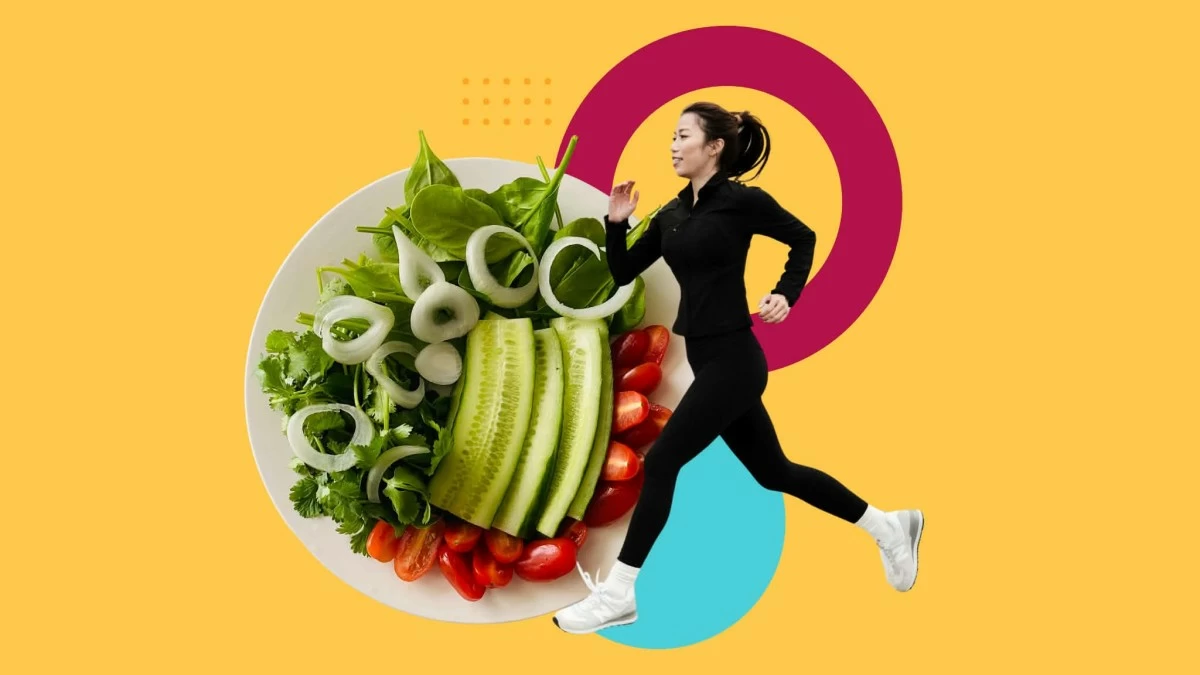
Athletes need nutrition for optimal performance. Whether an individual is a professional or recreational athlete, they have one thing in common. Both need optimal nutrition to fuel them with energy, build and maintain muscle mass for strength and immunity, provide nutrients to support bodily functions, and supply phytochemicals and antioxidants to quell inflammation as a result of physical, mental, and oxidative stress.
One of the misconceptions when it comes to sports nutrition is prioritizing protein. Thus, the hype that goes to protein powders and protein shakes, often leading to excessive protein intake that is very detrimental to one’s health. While protein supplements can be useful at times, they must be included as part of an athlete’s daily protein requirements. This may come as a surprise to many. Contrary to what many think, the amount of protein that an athlete needs is only 10 to 15 percent of the total intake of calories per day. An endurance athlete would require about 1.2 to 1.5 grams of protein per kilogram of body weight. A strength athlete would need a slightly higher protein requirement of 1.5 to 1.8 grams per kilogram of body weight. For example, if an athlete weighs 55 kilograms, then he or she would need to consume approximately 66 to 99 grams of protein per day.
Protein sources in an athlete’s diet may come from grains, vegetables, and animal protein if the athlete’s diet is not 100 percent plant-based. For example, one whole egg or 30 g of cooked meat, equivalent to one matchbox-sized serving, contains eight grams of protein. One cup of cooked rice or two slices of bread contains four grams of protein. One cup of cooked vegetables contains two grams of protein, while a cup of cooked soft tofu has 16 to 20 grams of protein. Firmer tofu has a higher protein content.
If the 55-kilogram athlete only requires a minimum of 66 grams of protein per day, eating three cups of rice, three cups of cooked vegetables, one cup of cooked tofu or legumes, an egg, and four matchbox-sized servings of cooked lean meat or poultry, or about 120 grams of cooked deboned fish, will no longer require additional protein intake from protein supplements. Fruits and healthy fat sources like nuts and seeds can complete the required total calories needed in a day for energy and proper metabolism.
It is very important for an athlete to meet protein requirements to ensure the growth of muscle tissue, muscle repair, and immunity. There is no added benefit to consuming more protein than what the body requires. In fact, it can compromise athletic performance.
The adverse effects of too much protein include negative effects on the kidneys, liver, and heart. Animal protein from meat, poultry, eggs, dairy products, and even seafood is more burdensome on the kidneys compared to plant-based protein. Excessive protein consumption reroutes blood supply from the brain, liver, and muscles to the stomach for digestion. Protein requires more water for metabolism, therefore increasing the risk of dehydration. Excess protein intake, specifically from animal sources, increases the acid load in the body. This causes bone resorption, a process in which bone tissue breaks down to release calcium into the bloodstream to neutralize the acidity caused by the metabolism of animal protein. This weakens the bones and increases the athlete’s risk of injury and fractures.
Can an athlete get all the complete protein from plant sources? The answer is yes! Many plant sources provide all the amino acids that are tantamount to those found in animal protein sources without the unhealthy effects of eating meat, which is high in saturated fat, cholesterol, and advanced glycation end products (AGEs), which increase inflammation in the body.
According to the Academy of Nutrition and Dietetics’ position statement published in the US, “appropriately planned vegetarian diets, including total vegetarian or vegan diets, are healthful, nutritionally adequate, and may provide health benefits in the prevention and treatment of certain diseases. Well-planned vegetarian diets are appropriate for individuals during all stages of the life cycle … and for athletes.”
Athletes can include plant-based complete protein sources in their diet from quinoa, soy and soy products, buckwheat, chia seeds, spirulina, and hemp seeds. Having a variety of plant proteins from vegetables, including legumes, whole grains like colored rice, adlai, oats, nuts, and seeds is the key to getting all the amino acids that the body needs without the consequences and burden of animal protein. Freeze-dried soy powder or fresh soymilk and freeze-dried pea protein powder can be added to the diet to meet protein needs, too.
In order for protein to be spared to do its job in the body, an athlete would need to meet carbohydrate and fat requirements, too. Depending on the phase of training and competition, an athlete would require around 60 to 75 percent of his or her total calories to come from carbohydrates. The sources may include the following: whole grains, vegetables, and fruits. Gels and other sports drinks may be taken for convenience. However, an athlete must be guided by a registered nutritionist or dietitian in order not to compromise health, electrolyte balance, and performance.
Before a competition, an athlete may undergo carbohydrate loading, which begins with a depletion phase one week before the competition. During this time, a low-carbohydrate, high-fat, and high-protein intake may be done for two to three days while training. After which, the repletion phase with a high carbohydrate intake of 60 to 70 percent must be done three days prior to the actual competition. During the repletion phase, the goal is to rest and conserve glycogen stores in the liver and muscles. Post-competition, or during the recovery phase, carbohydrate consumption must increase to approximately75 percent of the total caloric allowance per day. As for fat allowance, an athlete should consume about 15 to 20 percent from healthy fat food sources.
When it comes to your health and performance, don’t take chances. Let a professional take care of you. Consult a registered nutritionist or dietitian.