






Manila Bulletin
 Lifestyle
Food
Diamond Hotel serves a tour of Filipino flavors through Paleta Filipino
Lifestyle
Food
Diamond Hotel serves a tour of Filipino flavors through Paleta Filipino
Lifestyle
Food
Diamond Hotel serves a tour of Filipino flavors through Paleta Filipino
Diamond Hotel serves a tour of Filipino flavors through Paleta Filipino
From Camsur Pansit Bato Guisado and Nilagang Baka sa Dahon ng Libas to Filipino-inspired desserts, the weeklong festival at Corniche celebrates the diversity of the country's culinary traditions
Published Jun 5, 2026 08:23 am


(Photo: Diamond Hotel)
Across the country, chefs are revisiting regional recipes, highlighting indigenous ingredients, and finding new ways to present dishes that generations of Filipinos have long known and loved. Diners, meanwhile, have become increasingly interested in discovering the stories, traditions, and places behind their food.
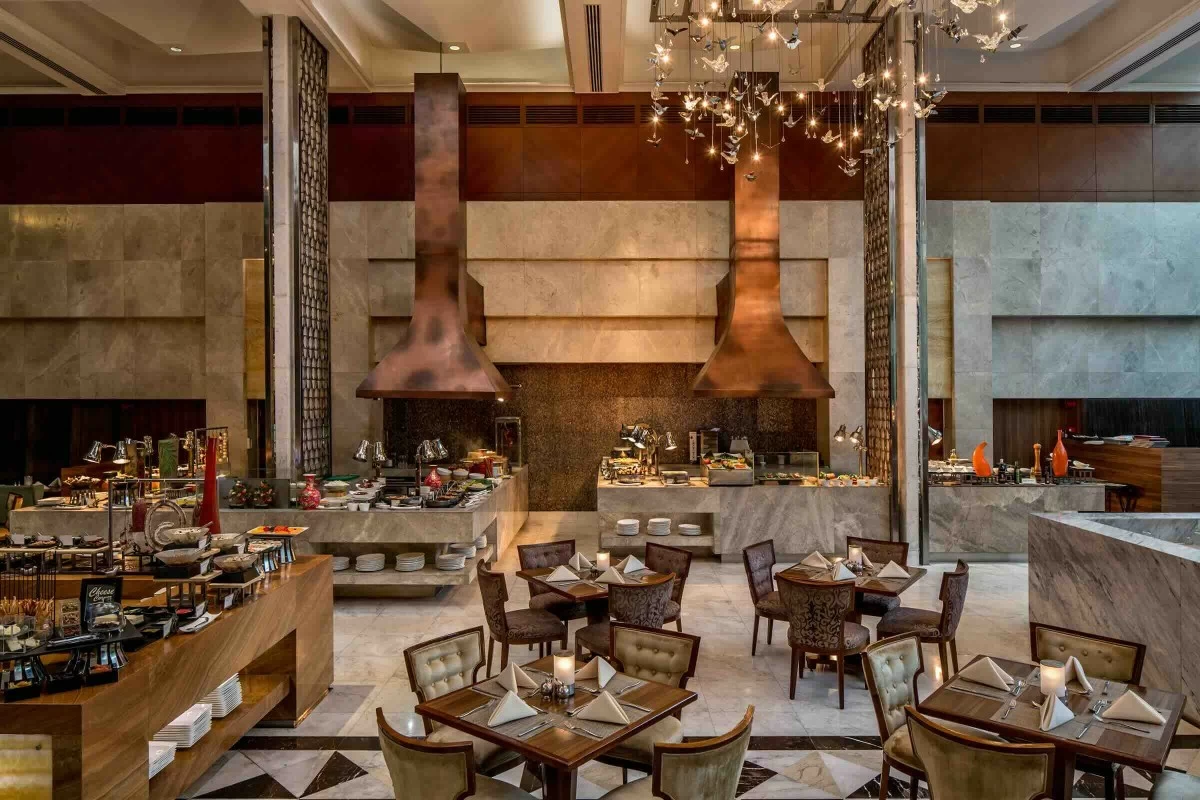
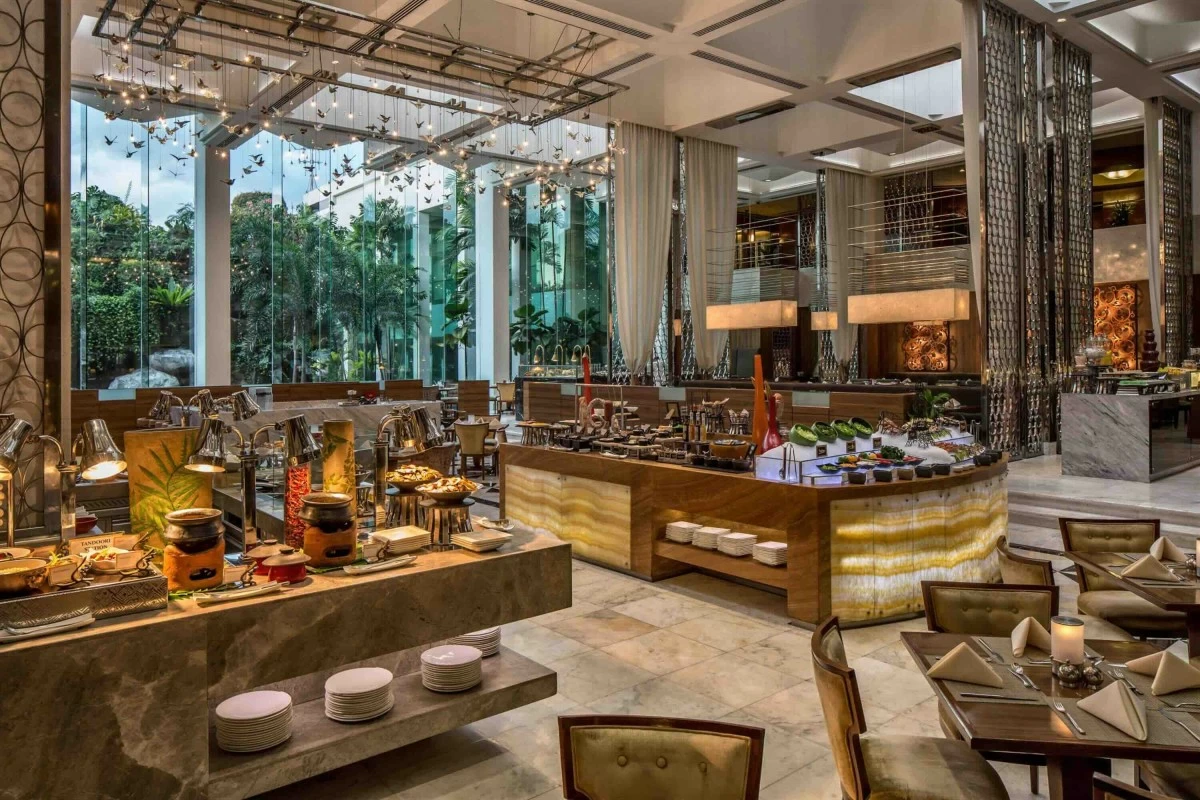
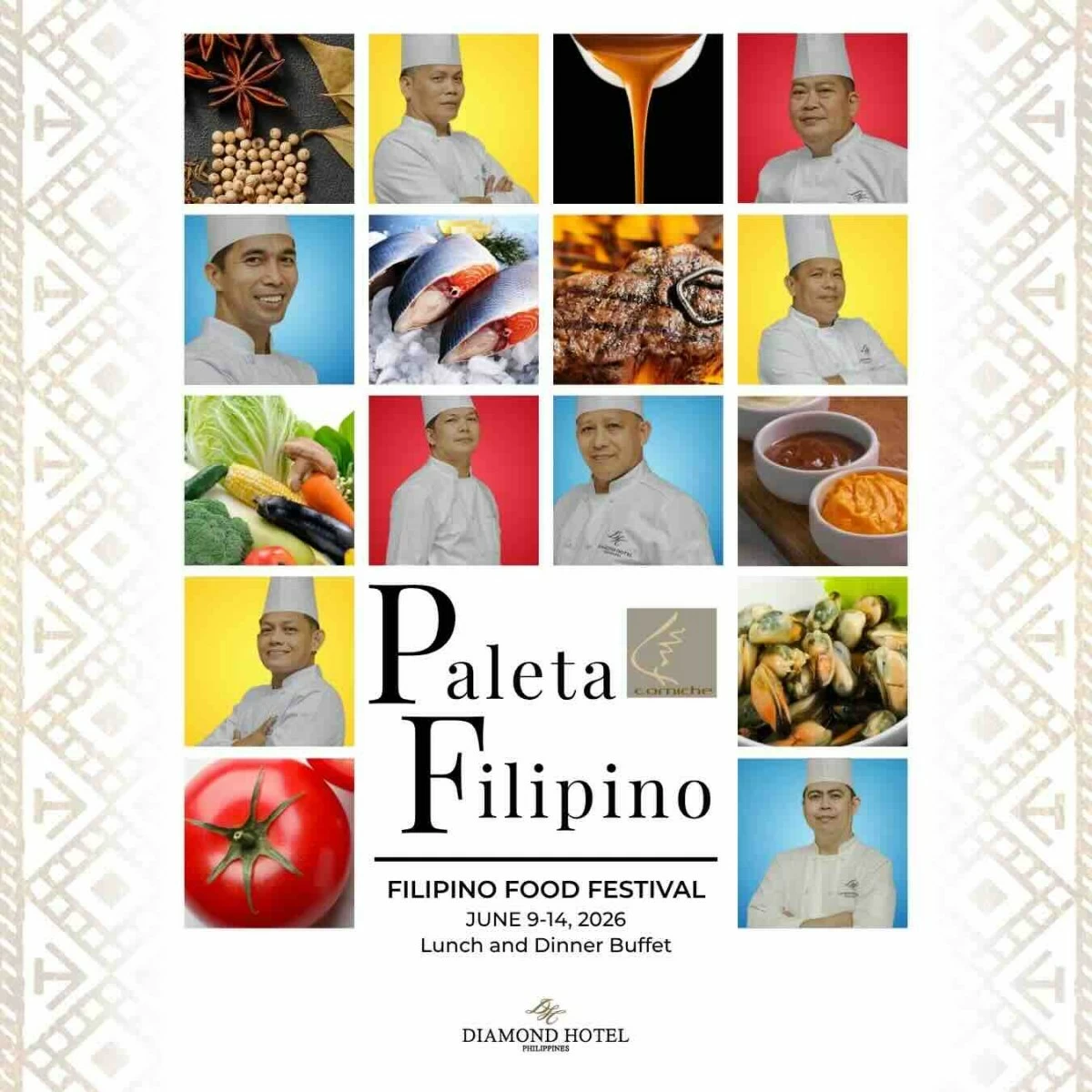
That growing appreciation for local cuisine is at the heart of Paleta Filipino, a weeklong culinary showcase at Diamond Hotel Philippines' Corniche restaurant from June 9 to 14. The festival gathers dishes inspired by various regions of the country, offering guests an opportunity to experience the breadth of Filipino cooking in a single meal.
For many Filipinos, regional cuisine remains one of the country's most underappreciated culinary treasures.
Travel across the archipelago and flavors change dramatically. Ingredients, cooking techniques, and even interpretations of familiar dishes often differ from one province to another. It is this diversity that Paleta Filipino seeks to showcase.
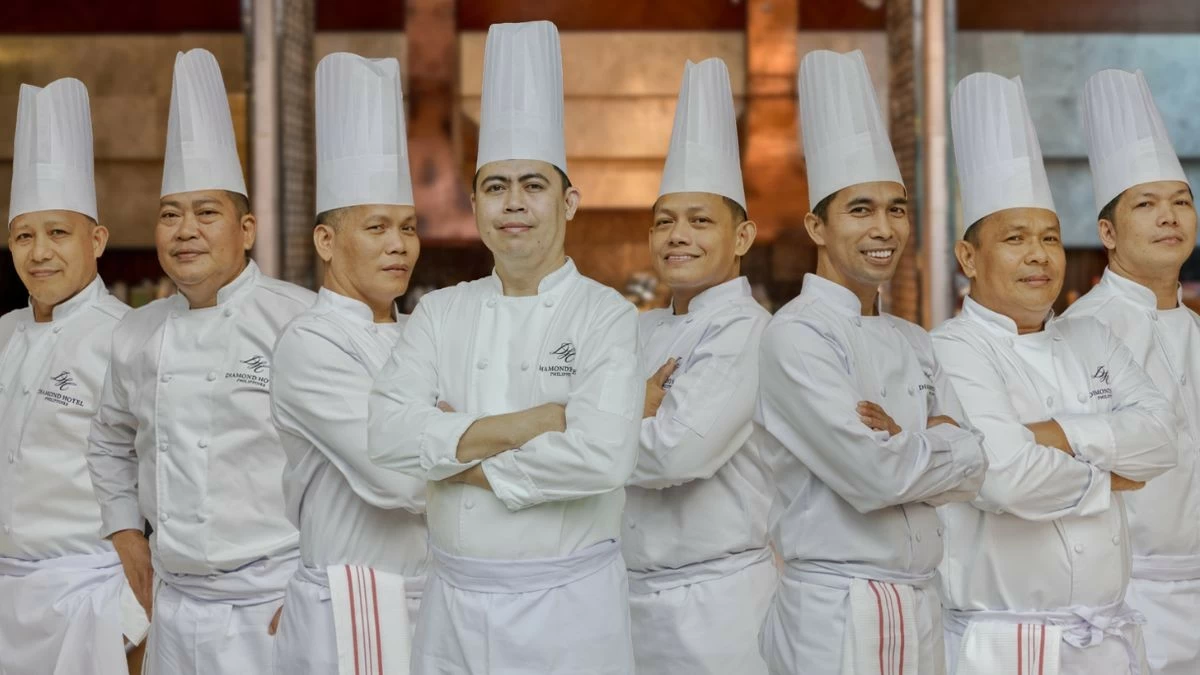
The festival is spearheaded by Diamond Hotel's culinary team composed of chefs Jemelle Baarde, Michael Lozada, Jose Bensal, Rod Nuñez, John Suico, Peter Cagadas, Ernie Buesing, and Christian Alumno. Drawing inspiration from local ingredients and regional recipes, the chefs have assembled a menu that celebrates tradition while allowing room for contemporary interpretation.
(Photo: Diamond Hotel)
Several dishes highlight ingredients that may be familiar to Filipino diners but are not always given the spotlight.
Among them is Purple Yam Soup, which transforms ube into a savory course rather than a dessert. Pako Salad na may Crispy Dilis brings together edible fern and fried anchovies, while Adobong Tahong in Fried Rice Paper offers a different take on one of the country's best-known cooking styles.
The menu also pays tribute to regional specialties.
Camsur Pansit Bato Guisado shines a light on the noodle dish associated with Camarines Sur, while Nilagang Baka sa Dahon ng Libas introduces diners to the citrus-like character of libas leaves. Pansit Sotanghon na may Taba ng Talangka sa Gata combines glass noodles, crab fat, and coconut milk, ingredients that have long played important roles in Filipino cooking.
Other offerings demonstrate how Filipino flavors continue to evolve.
Smoked Tinapa Pizza and Pinya at Lechon Paksiw Pizza reinterpret familiar local ingredients in a format that many diners immediately recognize. The dishes may not be traditional, but they reflect the creativity that has increasingly become part of contemporary Filipino cuisine.
Heartier selections include Tagalog Oxtail Adobo sa Gata, Apahap sa Luyang Dilaw, Pampanga Sisig Fried Rice, and Sinigang na Salmon Belly sa Pakwan. Together, they represent different approaches to balancing heritage, technique, and innovation.
(Photo: Diamond Hotel)
Desserts receive equal attention at the festival.
Guests can end their meal with Pandan Chiffon Macapuno, Ube Yema Cake, Choco Tablea Cake, Mango Cashew Sansrival, Tsokolate Langka Roll Cake, and Ginataang Halo-Halo sa Bayabas. Like the savory offerings, these desserts draw inspiration from ingredients and flavors that have become part of the Filipino culinary identity.
Food festivals often serve as introductions.
For some diners, Paleta Filipino may be a chance to reconnect with flavors they grew up with. For others, it may be an opportunity to discover dishes from provinces they have yet to visit. Either way, the showcase reflects a broader movement within Philippine dining, one that continues to place greater value on local ingredients, regional traditions, and the diversity of Filipino food culture.
Available for lunch and dinner, Paleta Filipino is priced at P3,988 net per person. More importantly, it offers a reminder that Filipino cuisine cannot be defined by a handful of iconic dishes alone. It is a cuisine shaped by geography, history, migration, and local ingenuity, with every region contributing something distinctive to the national table.
(Photo: Diamond Hotel)