






Manila Bulletin
 Philippines
National
EXPLAINER: Why VP Sara wants Senate to junk her impeachment case
Philippines
National
EXPLAINER: Why VP Sara wants Senate to junk her impeachment case
Philippines
National
EXPLAINER: Why VP Sara wants Senate to junk her impeachment case
EXPLAINER: Why VP Sara wants Senate to junk her impeachment case
Duterte seeks dismissal of the "politically motivated" impeachment case over alleged constitutional and procedural flaws
Published Jun 3, 2026 12:29 pm


At A Glance
- VP Sara Duterte asked the Senate to dismiss her impeachment case, calling it politically motivated.
- Her camp said House lawmakers exceeded their powers by allegedly conducting a "mini-trial."
- Duterte's lawyers also challenged allegations involving confidential funds, SALN, and her Davao tenure.
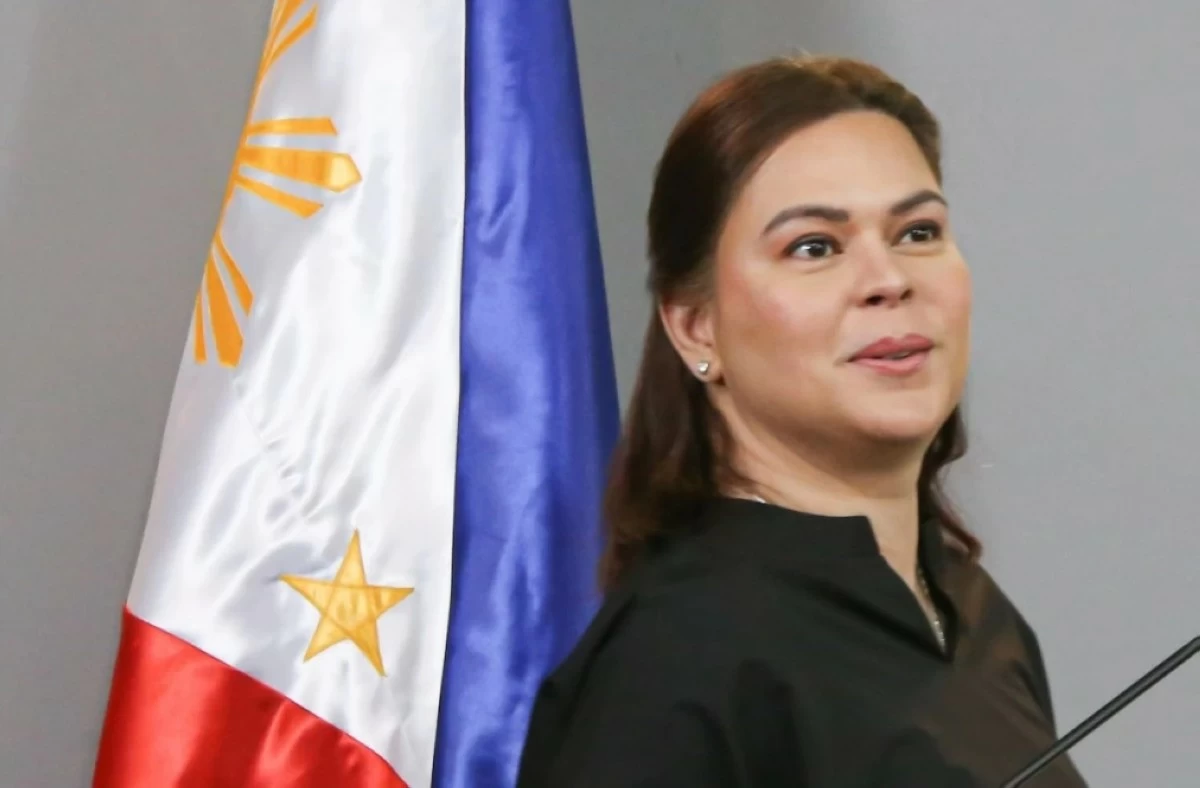
Vice President Sara Duterte is seeking the dismissal of the impeachment case against her, arguing that the House proceedings violated constitutional limits, due process, and established legal standards. (Manila Bulletin / file)
After weeks of avoiding direct public remarks on the impeachment case against her, Vice President Sara Duterte has finally broken her silence, issuing a strongly worded statement on the “current state” of the nation amid escalating political tensions and reiterating her claim that efforts to impeach her are largely politically motivated.
In a statement issued on June 2, Duterte said that among the “disturbing realities” in the country today is the “willingness to disregard constitutional safeguards in pursuit of a politically motivated impeachment.”
READ:
Prior to this, Duterte asked the Senate, sitting as an impeachment court, to dismiss the impeachment case against her, arguing that the Articles of Impeachment suffer from “fatal constitutional, procedural, and substantive defects.”
“Without prejudice to the constitutional issues presently pending before the Supreme Court, the Answer sets forth the Vice President’s defenses and raises significant constitutional, procedural, and substantive issues concerning the Articles of Impeachment and proceedings before the HOR and Committee on Justice,” Duterte’s defense team said in an earlier statement.
In her formal Answer submitted on June 1, Duterte’s legal team laid out several key arguments questioning both the House of Representatives’ handling of the impeachment proceedings and the legal basis for the accusations.
Central defense: House panel allegedly exceeded its powers
At the core of the Vice President’s defense is the claim that the House Committee on Justice conducted proceedings resembling a “mini-trial,” even though the Constitution grants only the Senate the authority to try impeachment cases.
According to the filing, the committee allegedly went beyond merely determining whether the complaint was sufficient in form and substance.
Duterte’s camp said lawmakers issued subpoenas, received testimonial and documentary evidence, assessed witness credibility, and effectively exercised functions reserved exclusively for the Senate impeachment court.
This argument signals a broader constitutional challenge that could shape how future impeachment complaints are handled in the Philippines.
If upheld by the Senate, it could narrow the investigatory powers of House committees during impeachment proceedings.
Allegations of prejudgment and due process violations
The defense also accused some House members of prejudging the case even before hearings concluded. Duterte’s lawyers pointed to public statements allegedly indicating that lawmakers already had enough votes to impeach her before all evidence had been received and evaluated.
The Answer further argued that Duterte’s right to due process was violated when new evidence — including affidavits, Anti-Money Laundering Council materials, Ombudsman records, and SEC documents — was introduced during committee hearings even though these were not part of the original impeachment complaints.
Her legal team maintained that the Vice President was deprived of a meaningful opportunity to respond to these allegations before they were incorporated into the Articles of Impeachment.
Challenge to allegations tied to Duterte’s Davao tenure
Another major legal argument raised by the defense concerns accusations linked to Duterte’s time as mayor and vice mayor of Davao City.
The filing cited Supreme Court jurisprudence stating that impeachable offenses must involve acts committed during an official’s incumbency in an impeachable office. Duterte’s camp argued that allegations tied to her local government service cannot automatically be converted into impeachable acts against her as Vice President.
This argument could become one of the most legally consequential aspects of the case because it directly questions the scope of evidence admissible in impeachment proceedings against national officials.
Defense rejects allegations on confidential funds and SALN
On accusations involving confidential funds, Duterte’s camp said there has been no final ruling from any competent tribunal proving misuse, graft, plunder, or unlawful disbursement of public funds.
The defense also argued that the Articles of Impeachment failed to establish unlawful acquisition or concealment of wealth in relation to the Vice President’s Statement of Assets, Liabilities and Net Worth (SALN). It described the allegations as speculative and based on assumptions drawn from disputed financial records.
Political and constitutional implications
The impeachment case against Duterte has evolved into more than a legal battle; it is now a major political test for both Congress and the Marcos administration.
By framing the impeachment process itself as unconstitutional, Duterte’s camp appears to be laying the groundwork for both a legal defense and a broader political narrative that the proceedings were driven by bias and procedural overreach.
At the same time, the filing places pressure on senators who will eventually act as impeachment judges. They may have to decide not only whether the allegations against the Vice President are credible, but also whether the House followed constitutional safeguards in preparing the case.
The defense ultimately argued that the allegations fail to meet the constitutional threshold for “culpable violation of the Constitution, bribery, graft and corruption, high crimes, or betrayal of public trust.”
The Senate impeachment court has already been convened, but the trial proper is expected to begin on July 6, following pre-trial proceedings and the submission of pleadings.
RELATED STORY: