

ADVERTISEMENT

VP Sara files impeachment answer before Senate, seeks dismissal of case

Duterte camp questions constitutionality of impeachment proceedings, cites due process violations before Senate court

Published Jun 1, 2026 05:43 pm

At A Glance

  • VP Sara's camp says House panel exceeded constitutional authority during proceedings
  • Defense cites due process violations and "predetermined" impeachment outcome
  • Duterte seeks dismissal of impeachment case over alleged constitutional defects
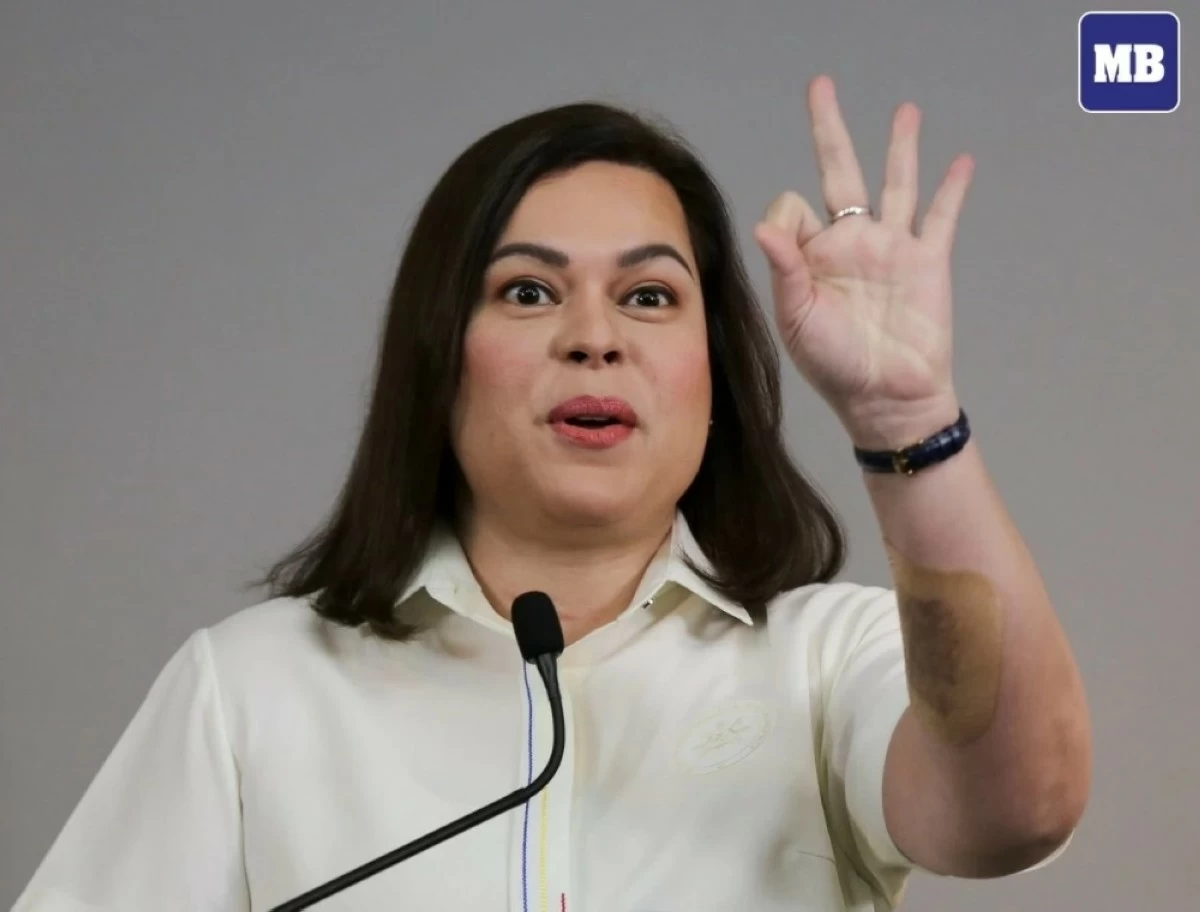
Vice President Sara Duterte formally filed her answer before the Senate impeachment court, questioning the constitutionality and validity of the impeachment proceedings against her. (Manila Bulletin/file)
Vice President Sara Duterte, through her legal counsel, has formally filed her Answer before the Senate sitting as an Impeachment Court, challenging the constitutionality and validity of the impeachment case lodged against her.
In an official statement released Monday, June 1, Duterte’s defense team confirmed the filing and said the Vice President raised “significant constitutional, procedural, and substantive issues” concerning both the Articles of Impeachment and the proceedings conducted by the House of Representatives and its Committee on Justice.
The defense said it would allow the issues raised in the Answer to be addressed before the Senate impeachment court rather than through public discourse.
“We trust that the Senate will discharge its constitutional duty with fairness, independence, and fidelity to the rule of law,” the defense team said.
Seeking for dismissal
In an executive summary attached to the filing, Duterte’s camp argued that the Articles of Impeachment were “constitutionally infirm, procedurally defective, and substantively deficient.”
Among the key arguments raised by the defense was the allegation that the House Committee on Justice exceeded its constitutional role by conducting what it described as a “mini-trial.”
According to the defense, the committee allegedly issued subpoenas, examined witnesses, and assessed credibility — powers that belong exclusively to the Senate acting as an impeachment court.
The defense also claimed that some lawmakers had supposedly prejudged the outcome of the proceedings even before the hearings concluded, citing public pronouncements that allegedly indicated sufficient votes already existed to impeach Duterte.
Major issues: Due process, and more
Duterte’s lawyers also argued that new evidence, including affidavits, Anti-Money Laundering Council materials, Ombudsman records, and other documents, was introduced during House hearings despite not being part of the original impeachment complaints.
The defense said this deprived the Vice President of the opportunity to properly confront and answer the allegations against her.
The camp likewise questioned allegations tied to Duterte’s previous tenure as mayor and vice mayor of Davao City, arguing that impeachment proceedings should only cover acts committed while serving in an impeachable office.
On accusations involving confidential funds, the defense maintained that no competent tribunal has found Duterte liable for misuse, malversation, plunder, or graft. It added that evidence presented before the House allegedly showed that the funds underwent the required approval processes.
The Answer also addressed allegations concerning Duterte’s Statement of Assets, Liabilities, and Net Worth (SALN), arguing that the impeachment articles failed to establish unlawful acquisition of wealth or willful concealment of assets.
The defense further denied allegations related to political destabilization and supposed threats against government officials, saying the accusations relied on statements taken out of context or unsupported interpretations.
Ultimately, Duterte’s camp argued that the impeachment complaints failed to meet the constitutional standards for establishing culpable violation of the Constitution, graft and corruption, high crimes, bribery, or betrayal of public trust.
“For these reasons, the Vice President respectfully submits that the Articles of Impeachment suffer from fatal constitutional, procedural, and substantive defects,” the defense said, adding that the case should be dismissed.
RELATED STORY: 
https://mb.com.ph/2026/06/01/duterte-camp-to-meet-june-1-deadline-for-impeachment-response-filing

Related Tags

Sara Duterte Sara Duterte Impeachment Philippine Politics Impeachment Trial Senate Impeachment Court
ADVERTISEMENT
.most-popular .layout-ratio{ padding-bottom: 79.13%; } @media (min-width: 768px) and (max-width: 1024px) { .widget-title { font-size: 15px !important; } }

{{ articles_filter_1561_widget.title }}

.most-popular .layout-ratio{ padding-bottom: 79.13%; } @media (min-width: 768px) and (max-width: 1024px) { .widget-title { font-size: 15px !important; } }

{{ articles_filter_1562_widget.title }}

.most-popular .layout-ratio{ padding-bottom: 79.13%; } @media (min-width: 768px) and (max-width: 1024px) { .widget-title { font-size: 15px !important; } }

{{ articles_filter_1563_widget.title }}

{{ articles_filter_1564_widget.title }}

.mb-article-details { position: relative; } .mb-article-details .article-body-preview, .mb-article-details .article-body-summary{ font-size: 17px; line-height: 30px; font-family: "Libre Caslon Text", serif; color: #000; } .mb-article-details .article-body-preview iframe , .mb-article-details .article-body-summary iframe{ width: 100%; margin: auto; } .read-more-background { background: linear-gradient(180deg, color(display-p3 1.000 1.000 1.000 / 0) 13.75%, color(display-p3 1.000 1.000 1.000 / 0.8) 30.79%, color(display-p3 1.000 1.000 1.000) 72.5%); position: absolute; height: 200px; width: 100%; bottom: 0; display: flex; justify-content: center; align-items: center; padding: 0; } .read-more-background a{ color: #000; } .read-more-btn { padding: 17px 45px; font-family: Inter; font-weight: 700; font-size: 18px; line-height: 16px; text-align: center; vertical-align: middle; border: 1px solid black; background-color: white; } .hidden { display: none; }
function initializeAllSwipers() { // Get all hidden inputs with cms_article_id document.querySelectorAll('[id^="cms_article_id_"]').forEach(function (input) { const cmsArticleId = input.value; const articleSelector = '#article-' + cmsArticleId + ' .body_images'; const swiperElement = document.querySelector(articleSelector); if (swiperElement && !swiperElement.classList.contains('swiper-initialized')) { new Swiper(articleSelector, { loop: true, pagination: false, navigation: { nextEl: '#article-' + cmsArticleId + ' .swiper-button-next', prevEl: '#article-' + cmsArticleId + ' .swiper-button-prev', }, }); } }); } setTimeout(initializeAllSwipers, 3000); const intersectionObserver = new IntersectionObserver( (entries) => { entries.forEach((entry) => { if (entry.isIntersecting) { const newUrl = entry.target.getAttribute("data-url"); if (newUrl) { history.pushState(null, null, newUrl); let article = entry.target; // Extract metadata const author = article.querySelector('.author-section').textContent.replace('By', '').trim(); const section = article.querySelector('.section-info ').textContent.replace(' ', ' '); const title = article.querySelector('.article-title h1').textContent; // Parse URL for Chartbeat path format const parsedUrl = new URL(newUrl, window.location.origin); const cleanUrl = parsedUrl.host + parsedUrl.pathname; // Update Chartbeat configuration if (typeof window._sf_async_config !== 'undefined') { window._sf_async_config.path = cleanUrl; window._sf_async_config.sections = section; window._sf_async_config.authors = author; } // Track virtual page view with Chartbeat if (typeof pSUPERFLY !== 'undefined' && typeof pSUPERFLY.virtualPage === 'function') { try { pSUPERFLY.virtualPage({ path: cleanUrl, title: title, sections: section, authors: author }); } catch (error) { console.error('ping error', error); } } // Optional: Update document title if (title && title !== document.title) { document.title = title; } } } }); }, { threshold: 0.1 } ); function showArticleBody(button) { const article = button.closest("article"); const summary = article.querySelector(".article-body-summary"); const body = article.querySelector(".article-body-preview"); const readMoreSection = article.querySelector(".read-more-background"); // Hide summary and read-more section summary.style.display = "none"; readMoreSection.style.display = "none"; // Show the full article body body.classList.remove("hidden"); } document.addEventListener("DOMContentLoaded", () => { let loadCount = 0; // Track how many times articles are loaded const offset = [1, 2, 3, 4, 5, 6, 7, 8, 9, 10]; // Offset values const currentUrl = window.location.pathname.substring(1); let isLoading = false; // Prevent multiple calls if (!currentUrl) { console.log("Current URL is invalid."); return; } const sentinel = document.getElementById("load-more-sentinel"); if (!sentinel) { console.log("Sentinel element not found."); return; } function isSentinelVisible() { const rect = sentinel.getBoundingClientRect(); return ( rect.top < window.innerHeight && rect.bottom >= 0 ); } function onScroll() { if (isLoading) return; if (isSentinelVisible()) { if (loadCount >= offset.length) { console.log("Maximum load attempts reached."); window.removeEventListener("scroll", onScroll); return; } isLoading = true; const currentOffset = offset[loadCount]; window.loadMoreItems().then(() => { let article = document.querySelector('#widget_1690 > div:nth-last-of-type(2) article'); intersectionObserver.observe(article) loadCount++; }).catch(error => { console.error("Error loading more items:", error); }).finally(() => { isLoading = false; }); } } window.addEventListener("scroll", onScroll); });

Sign up by email to receive news.