'Backrooms': The rise of internet-born horror cinema
Published May 30, 2026 07:39 pm
It’s easy to see why “Backrooms” is often compared to “Blair Witch Project.” Both rely on ambiguity, audience imagination, and the disturbing strength of implication over spectacle.
“Blair Witch Project” emerged in the 1990s from film students who broke away from traditional horror storytelling. Rather than following a standard script, they built a fictional mythology around a local legend and sent actors into the woods with minimal direction and real equipment, resulting in an improvised, reality-blurring experience.
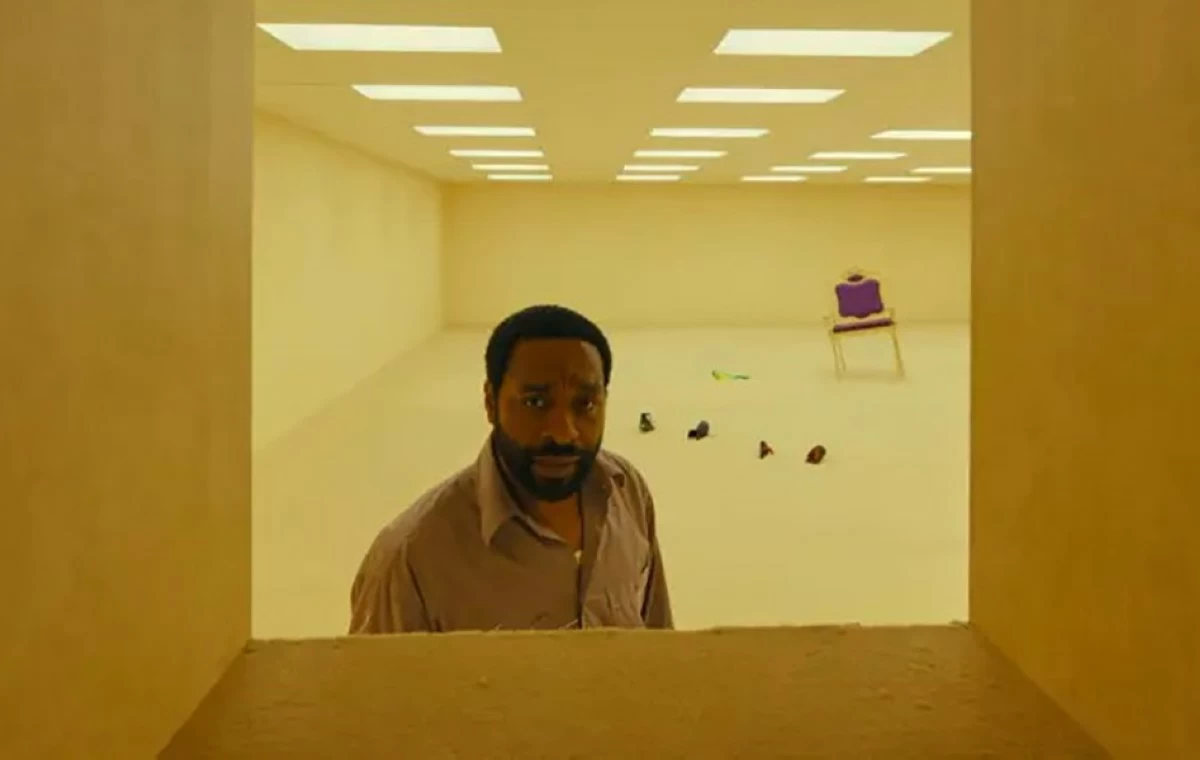
“Backrooms” follows a similar cultural path, rooted in digital folklore. It began with an anonymous online post of an unsettling image showing empty yellow rooms, paired with an invitation for users to share visuals that felt “off” or uncanny.
The idea expanded when teenager Kane Parsons turned it into a viral found-footage short, eventually developing it into a serialized narrative about a research team investigating a parallel dimension shaped by human perception.
The film adaptation expands this mythology further, blending psychological horror with surreal world-building.
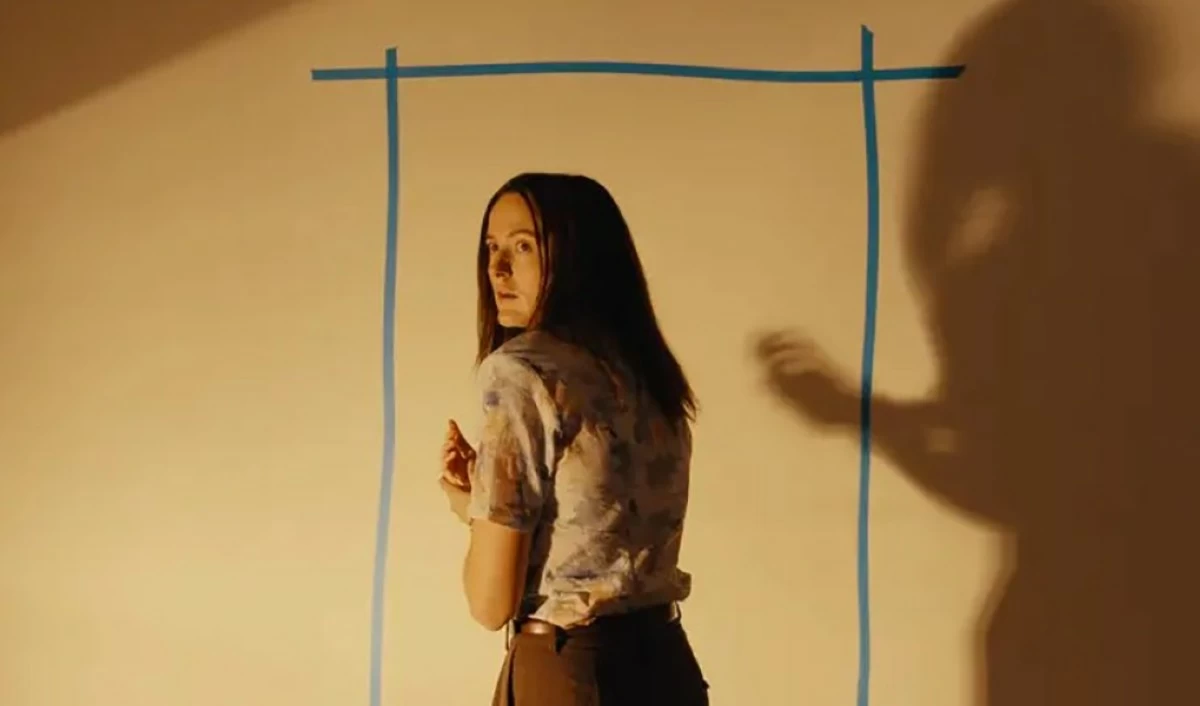
It follows Clark, a struggling business owner who accidentally enters the labyrinth-like dimension. When he tells therapist Mary about it, disbelief turns into obsession, leading her to join an expedition with Kat and Bobby. What starts as curiosity becomes a descent into an unstable, hostile environment filled with shifting spaces and hidden threats.
Visually, the film leans heavily on contrast with ordinary objects placed in impossible settings, from sterile office-like corridors to decaying, symbolic rooms that feel both familiar and wrong. Its atmosphere recalls not only internet-era unease but also introspective science fiction, where reality itself feels fragile.
Is it as scary as advertised? That depends on what unsettles you. There are plenty of jump scares, blood, and gore, but at its best, it feels more like a lost “Twilight Zone” episode reframed for a new generation.
Ultimately, “Backrooms” is less about monsters and more about memory, trauma, and psychological fragmentation. The labyrinth reflects unresolved emotional states, trapping its characters in loops of distorted identity and perception.
While audiences may debate its scare factor, its strength lies in mood and interpretation. It unsettles not by overwhelming the viewer, but by lingering—like a digital echo of undefined fears.
It opens in theaters on June 3 as part of CreaZion Studios’ #KwentoMoTo initiative, which aims to bring “Human Stories and Human Experiences” to Southeast Asian audiences.