







Is my weight problem a thyroid issue?
Understanding the role of the thyroid gland in metabolism
By Cheshire Que
Published May 25, 2026 07:36 am


At A Glance
- If the function of the thyroid gland becomes faulty, you could either drastically gain weight or lose weight.
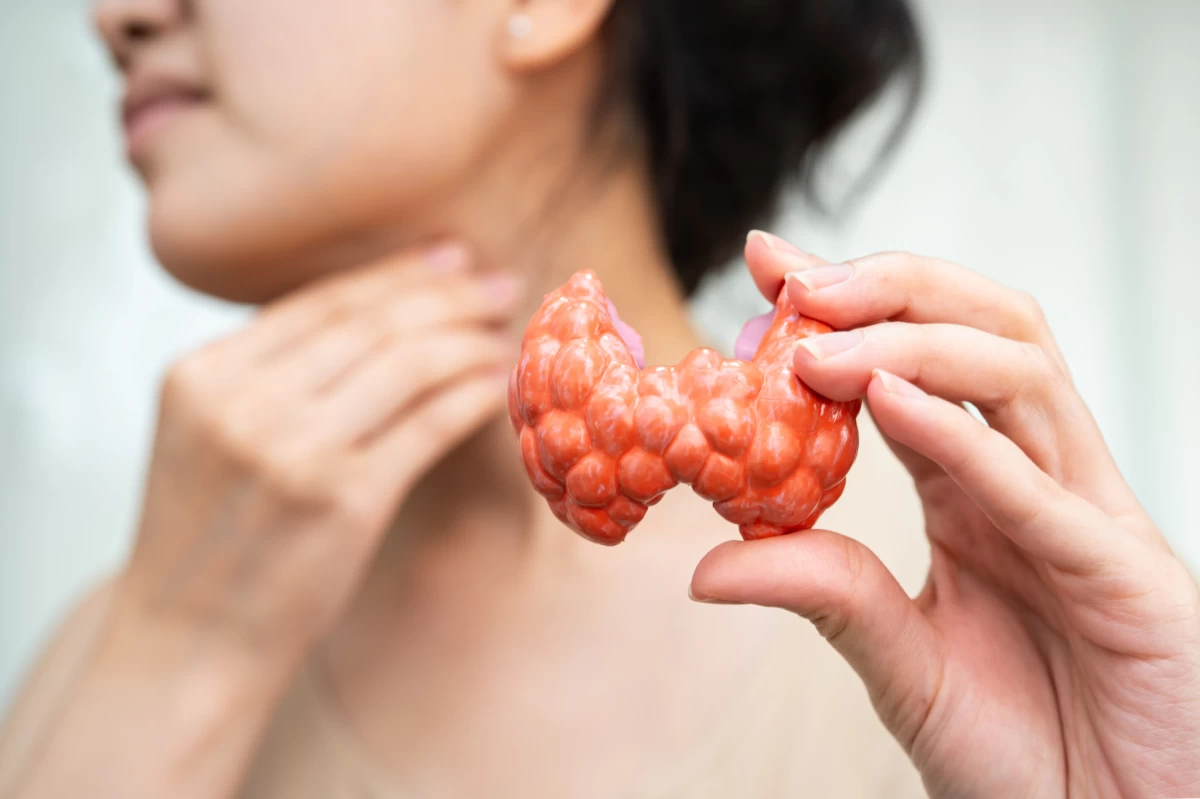
The International Thyroid Awareness Week is held each year in May. Why is a small butterfly-shaped gland being given so much importance? This tiny gland located at the front of the neck is a force to be reckoned with. It may be a small part of your body, but it can do terrible things to your overall health if you fail to take care of it.
The thyroid gland mainly controls your metabolism, or the way your body processes food that you consume into energy. The thyroid dictates the speed of your metabolism. If the function of the thyroid gland becomes faulty, you could either drastically gain weight or lose weight.
This tiny gland produces mainly the hormones T4 or thyroxine and T3 or triiodothyronine. Any imbalances in these hormones can either cause an underactive or overactive thyroid gland. An underactive thyroid causes the medical condition known as hypothyroidism, while an overactive gland causes hyperthyroidism.
Hypothyroidism is characterized by unexplained or unwanted weight gain, lower heart rate, sluggishness or fatigue, sensitivity to cold temperature, dry skin, coarse hair, mood alterations and depression, as well as heavy menstrual periods, also known as menorrhagia. On the other hand, hyperthyroidism is characterized by a fast heart rate or tachycardia, sleep problems or difficulty falling asleep, unexplained and unwanted weight loss, sensitivity to heat, clammy or sweaty skin, mood alterations or anxiety, irritability and nervousness, irregular menstrual period or absence of menstrual period, also known as amenorrhea.
These medical conditions can be caused by several factors. Some are lifestyle-related, genetic, or immune-related. In addition, an individual’s environment can impact his or her thyroid health positively or negatively. These factors can inhibit the proper production of thyroid hormones: stress, trauma, infection, exposure to radiation and other toxins, and even excess fluoride, which is an antagonist to iodine, an important micronutrient for thyroid function.
Nutrient deficiencies from poor or unhealthy diets are detrimental to thyroid health. Our diet must be able to adequately provide selenium, zinc, iron, iodine, and vitamin A from wholesome, minimally processed food. We cannot simply rely on nutritional supplements that are chemically derived to replace natural sources of nutrients. Vitamin D from sunlight is also important. You can ask your registered nutritionist, dietitian, or physician if you need Vitamin D3 supplementation.
Iodine deficiency is one of the major causes of hypothyroidism or an underactive thyroid. The mineral iodine is essential for the production of thyroid hormones. We do have iodized salt that is available in the market. However, salt must be used sparingly due to the many health implications sodium has on the body. Such as blood pressure elevations. Thus, one can obtain iodine from sea plants or seaweed such as nori, fish, and other seafood like shrimps. For those who are not on a 100 percent plant-based diet, eggs can also provide iodine. Beans and fruits also contain small amounts of iodine. If we increase our consumption of plant food sources with some seafood, there will not be any issues with iodine intake.
Another culprit in weight gain due to an underactive thyroid is going on a low-carbohydrate or ketogenic diet. Doing so will impair the liver’s ability to convert the inactive thyroid hormone T4 into the active form T3. The hormone insulin is needed to stimulate the enzyme activity that converts the inactive thyroid hormone to its active form. Insulin release can only be triggered by the consumption of carbohydrates. It is important, however, to choose the type of carbohydrates that you eat so as not to greatly increase the blood glucose level. Portion control is also a must. Choose carbohydrates that are high in fiber from vegetables, fruits, and whole grains like brown, red, or black rice, oats, quinoa, and adlai. You can also have starchy vegetables like sweet potato or kamote, potato, cassava, and other root crops as a source of carbohydrate.
Have you heard of the term goitrogens? These are substances found in some food sources that could wreak havoc with thyroid hormone production. You may have been told to avoid soy, soy products, and cruciferous vegetables. That is not good advice. These plant food sources are nutrient-rich and can help promote a healthy thyroid gland. In order to remove the unwanted goitrogens, it is important to cook these vegetables. You can also soak beans beforehand. Cruciferous vegetables include broccoli, cauliflower, cabbage, kale, bok choy, spinach, watercress, radish, mustard, and Brussels sprouts. If you like to eat raw vegetables, blanch them in hot water before consumption. You can steam, boil, or saute vegetables in water without worrying about goitrogens harming your thyroid.
If you are on thyroid hormone replacement therapy, it is important to allow time for your medication to be absorbed before consuming soy and soy products. Phytonutrients from soy can interfere with the absorption of synthetic thyroid hormone. Therefore, consume nutritious soy in the form of wholesome beans, soymilk, freeze-dried soy powder, or edamame after four hours. If you take your medication before breakfast, you can have soy for lunch or dinner. If you are taking your medication at bedtime, you can have soy during the day.
It is prudent to take care of your thyroid health, especially when you still have the opportunity to prevent developing thyroid diseases.