







4 reasons why you have a weak immune system
Finding out why you get sick so easily
By Cheshire Que
Published May 20, 2026 12:12 am
|
Updated May 20, 2026 08:05 am


At A Glance
- Our immune system protects our body from all types of diseases, including cancer, diseases that affect the heart and blood vessels, and even our teeth, gums, and skin.
Post Covid-19 pandemic, we are still under threat from various microorganisms that cause infections. From a simple cold to more serious ones like pneumonia, tuberculosis, and recently, the Andes virus, a type of hantavirus that can be transmitted from close contact with an infected individual.

We can do our very best to prevent infections by observing proper hygiene and sanitation. We can even wear personal protective equipment, or PPE, to act as barriers. No one, however, is 100 percent protected from infection if we solely rely on these methods.
Fortunately, we were created with our natural defense mechanism. The immune system is our first line of defense against infection. It is composed of a network of cells and proteins, much like the different units of a military system that work synergistically to kill pathogens in the form of viruses and bacteria. Left with a weak or compromised immune system, our body is rendered vulnerable to the attack of various diseases.
Unfortunately, we take our immune system for granted. We even abuse it until we succumb to sickness. The immune system is not just a defense against respiratory infections. It protects our body from all types of diseases, including cancer, diseases that affect the heart and blood vessels, and even our teeth, gums, and skin.
Here are four common reasons why you are prone to getting sick due to a weakened immune system.

Sleep
Have you ever wondered why you tend to get colds after being sleep deprived for days? The body is programmed to get good quality or restorative sleep for seven to nine hours a night. It is during restorative sleep that the immune system produces cytokines. These are proteins that control the body’s immune response to infection, inflammation, and stress. It is common for us to feel fatigue and very sleepy when we are down with a cold or the flu. This is due to the cytokines sending signals to the brain to make the body rest and sleep. Only then can the body conserve energy to fight the pathogenic bacteria or viruses causing the infection. Thus, promoting healing, repair, and restoration. It is not wise to refuse to rest or sleep when one is already sick. It is, however, also not recommended to compromise sleep for other activities such as binge-watching shows, doom-scrolling on your phone, and partying all night at the expense of your immunity.
Sugar
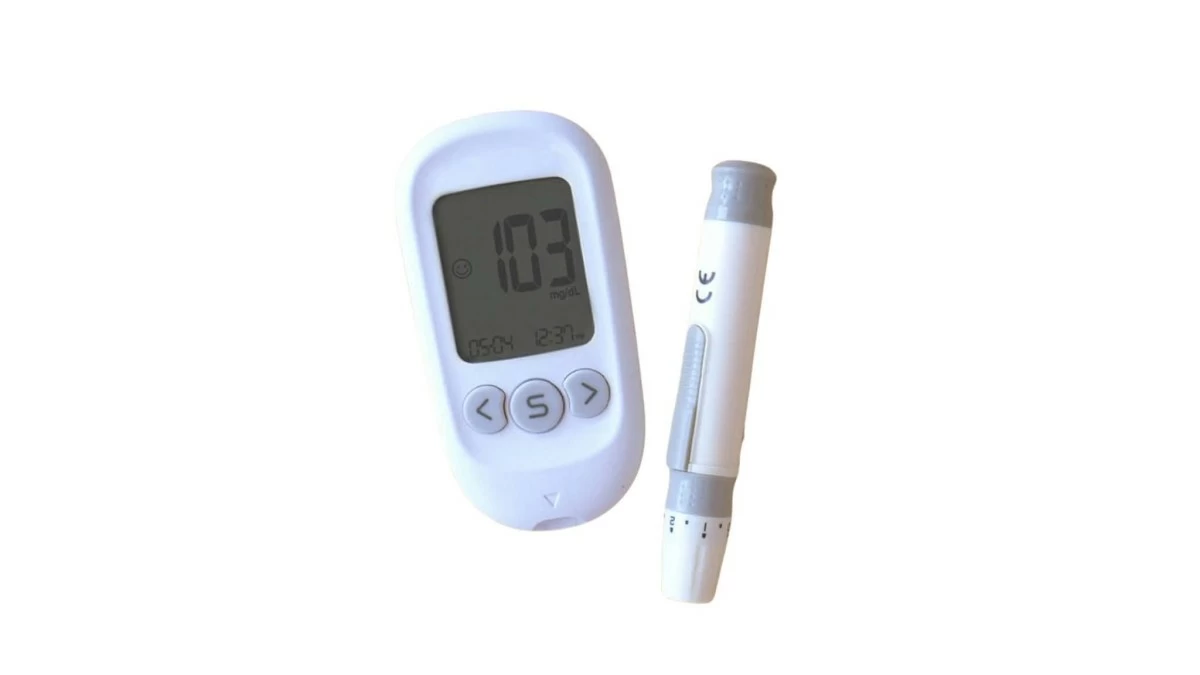
Have you ever wondered why many people with diabetes end up getting leg amputations or why their wounds are more difficult to heal? Did you know that diabetes is a risk factor for getting cancer? The culprit behind all these is sugar. Uncontrolled blood sugar or glucose level from bad eating habits, sedentary lifestyle, genetic factors, and high stress levels can weaken the immune system. Hyperglycemia or high blood sugar impairs the immune system’s production of white blood cells that are vital to fighting infections and wound healing. Therefore, let your sugar intake come from moderate consumption of fresh fruits and whole grains like colored rice, oats, quinoa, or adlai, and lots of vegetables instead of refined sugars from white sugar, milk tea, soft drinks, juices, instant coffee, pastries, sweets, baked products, dairy, and the like. The natural sugar found in fresh produce does not impact blood sugar the same way as the processed ones because they contain fiber that blunts the rapid increase in blood glucose level.

Stress
If there is something that we cannot totally avoid, it’s stress. Unfortunately, chronic stress can weaken the immune system. The stress hormone cortisol is needed in adequate amounts, especially during daytime for our bodies to function and respond normally. Constant high levels of cortisol, however, level depresses the immune system by impairing the production of white blood cells that are needed to not only fight infection but also cancer cells. In addition, high cortisol increases blood glucose, fat deposition, inflammation, and even blood pressure. Therefore, if you are living a stressful life, it is important to reflect on the things you need to do to cope and manage. Seek professional guidance if you must.

Sedentary lifestyle
Sitting is the new smoking. Living a sedentary lifestyle leads to many medical conditions and reduced quality of life. Regularly engaging in moderate exercise can decrease cortisol, blood sugar, and inflammation. All of which inhibit the production of immune-regulating white blood cells. Exercise increases core body temperature, which stimulates the production and activity of natural killer cells that fight infection and cancer. Exercise improves blood circulation and distribution of immune cells where they are needed to repair injury or fight pathogenic bacteria, viruses, and other microorganisms. In this fast-paced environment, exercising or being physically active must be intentional. It must be part of one’s daily and weekly schedule. Begin by taking 10 to 15-minute walks two to three times a day. You can do it indoors or outdoors. Stand, pace, and take the stairs as often as you can. Choose an exercise that suits your preference and level of fitness. Gradually progress. Just start to get moving and improve your immunity against illness.
If you wish to have a stronger immune system, it is important to adopt a plant-dominant way of eating that is wholesome and minimally processed, low in refined sugars and unhealthy fats. Add regular exercise, sleep hygiene, and stress management to achieve a healthier and stronger version of you.