







My mother, the adventurous eater
From roadside singkamas in Zambales to humble market carinderias in Manila, a son looks back on the mother whose adventurous palate, curiosity, and love for local food shaped the person and journalist he would become
Published May 8, 2026 08:18 pm


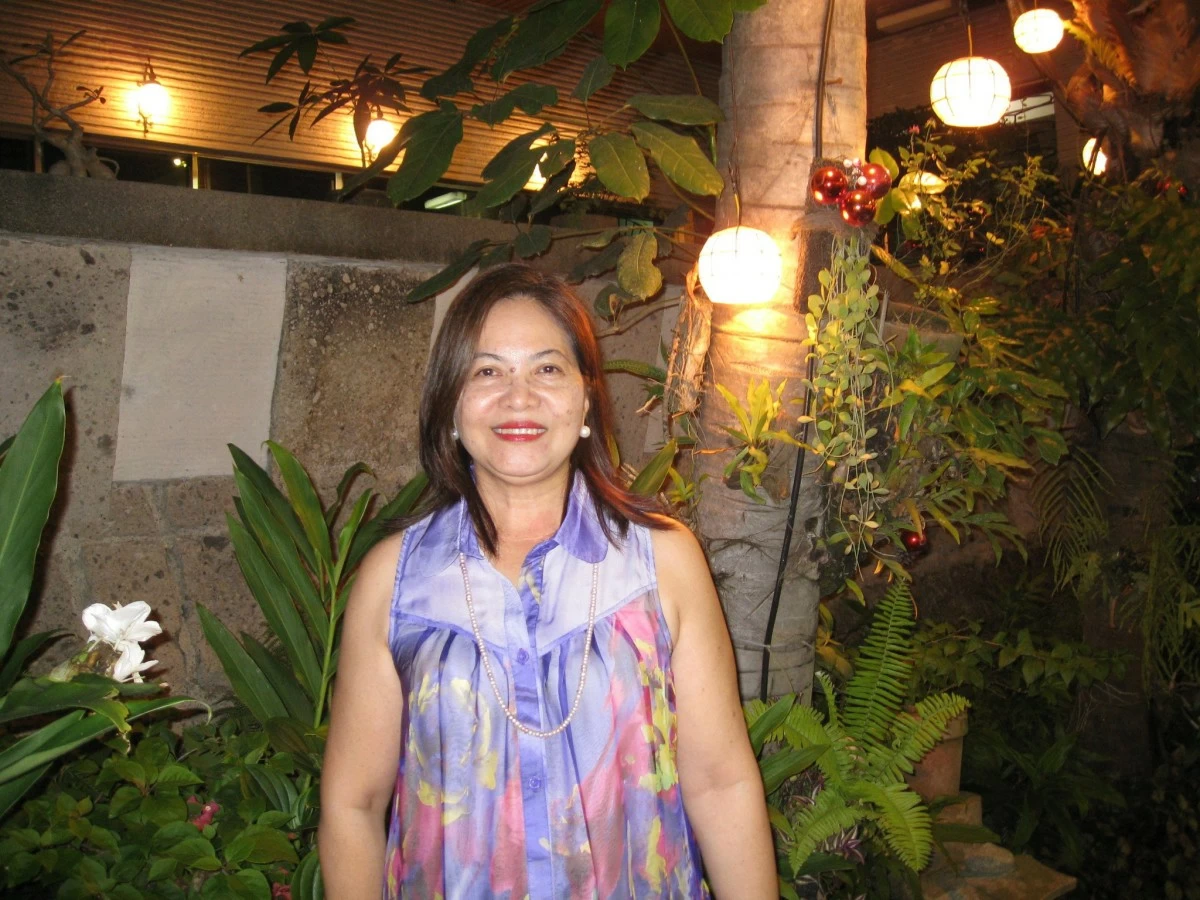
FIRST FOODIE Rosalie Rodriguez, remembered by her son as his first foodie inspiration—the woman who taught him to eat beyond comfort zones and embrace the world through its flavors. (Photo: Feliciano Rodriguez III/Manila Bulletin)
Singkamas. Such an unremarkable food for me. Like an apple with no taste at all. But I tried it, nonetheless, because of my mother. The first foodie I met in my life.
I remember my childhood summer days spent in Botolan town, Zambales. My father was then building an LPG refilling plant and logistics hub there for his business. This was in the early 2000s, in my tweens. I remember long car drives with the family (my father always makes his work/business trips a family affair) going northward from Malabon, and me playing in the backseat with my purple Game Boy Advance—“Castlevania: Circle of the Moon” as the game of choice—to while the time away.
My mother particularly loved singkamas, her childhood favorite. A ubiquitous summer snack for Filipinos, despite, for me, it having no taste or appeal at all. The allure absolutely evades me. My mother enjoyed it cold, on its own, or with salt or bagoong. She would buy baskets of it on the roadside in Zambales. I particularly remember that.
Getting to the plant site took us to almost all the towns in the north of Luzon, from Subic, San Narciso, Cabangan, Iba, and then finally to Botolan. This was in the 2000s. The towns then were virginal, with almost no commercial establishments, many of them coastal towns; so we would sometimes buy pusit, fresh tuna, or fruits like mangoes (one of the best variants in the Philippines is found in Zambales), watermelon, and other roadside produce.
But more importantly, even before stepping foot in Zambales, we would make a long stop in Pampanga, a culinary hotspot of the Philippines. We would eat sisig, adobong pato, fried crickets, and at one time, bayawak (monitor lizard) meat. I remember my mother was always the one who insisted we try things out. She was adventurous.
In Zambales, we ate wild boar (now a protected species) requested by my mom from the Aeta community our family was supporting, also cooked by them. There was even this crispy pata place in Iba. I’m not even sure if it is still open. It was actually the only restaurant in the town that served pretty good grub. I won’t call it excellent, but they had air conditioning and a clean restroom—the only decent stop during that time in that town.
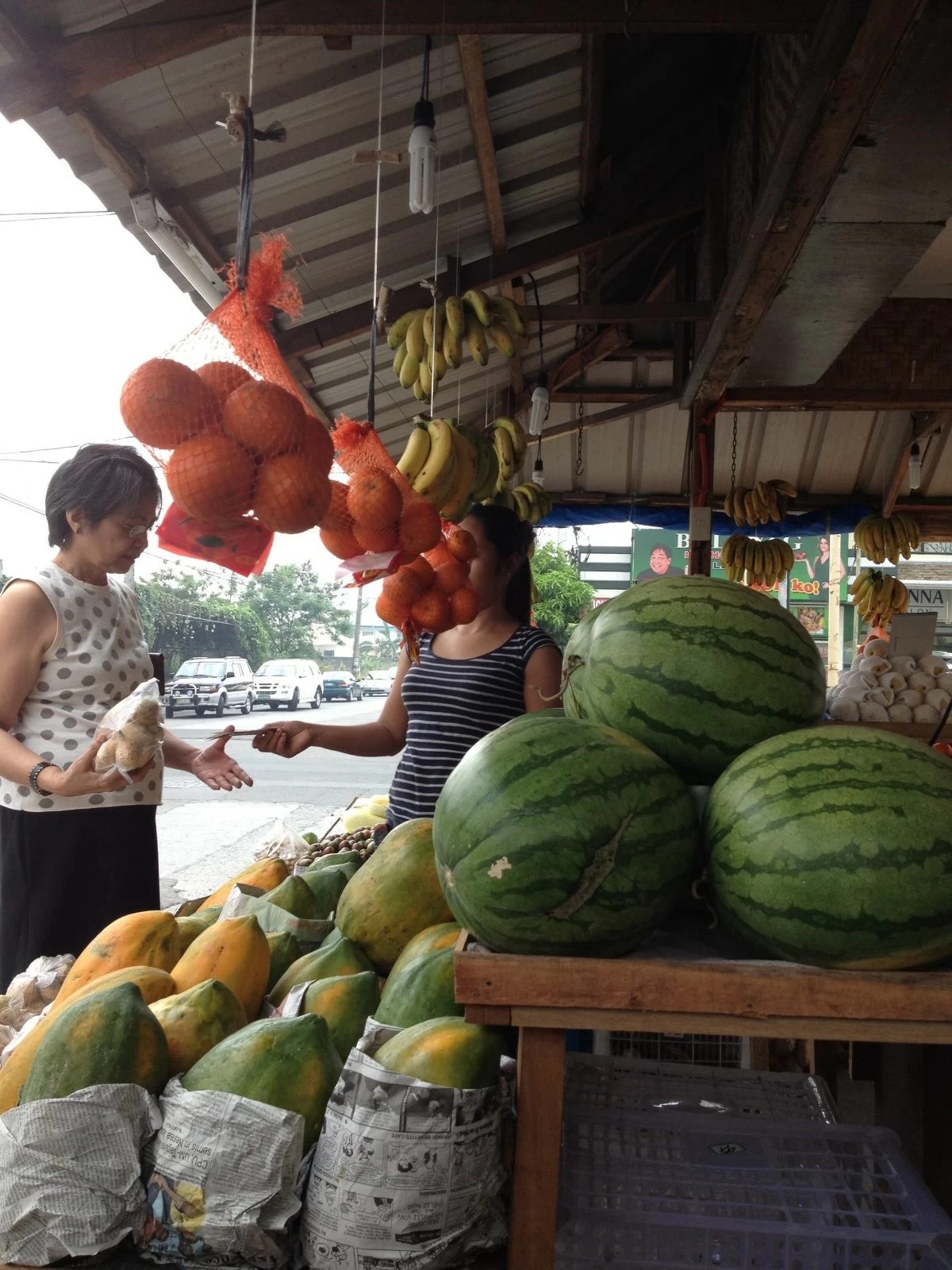
FLAVOR HUNTER Rosalie Rodriguez during one of the family’s provincial trips, where markets, roadside stalls, and local eateries became part of her children’s upbringing. (Photo: Feliciano Rodriguez III/Manila Bulletin)
My mother, coming from a province in the south herself (Laguna), and by no means a city girl, enjoyed going to every wet and dry market you can find, and she pushed us to try all the food and everything in between when in a new town. “You won’t be able to know a town unless you went to the market and scoped the produce and ate where the locals ate,” she would always tell us.
She pushed our boundaries. And now, thinking back, I love her for that. The three of us—my older sister, father, and me—without her, would have been a decidedly unadventurous lot. We’re city folk; built to be that way. Our grandfather hated anything adventurous and risky; so no junk food, street food, and the like. My father is so “burgis” and sheltered (being schooled in his youth in the ’60s in Ateneo will do that to you), he doesn’t even know how to ride any form of public transportation, and only knows to eat viand and rice, having an excellent cook of a mother—no pastas, pizzas, or bread, just rice and ulam.
Our mother shattered this. She would tell me that when my father was courting her, she brought my dad to Sta. Mesa market to eat supper at a carinderia near her dormitory. She was then a new hire at the main office of Security Bank in Escolta, Manila.
She would recount this to me laughing—telling me how my father looked so awkward in his bell-bottom pants and white boots (very ’70s), this boy with a Ford Thunderbird car, eating at a palengke—this Atenista, eating with kargadors and the rest of the hoi polloi. But my dad would chime in, saying he had so much fun eating and mingling with new people. My mother, the first foodie.
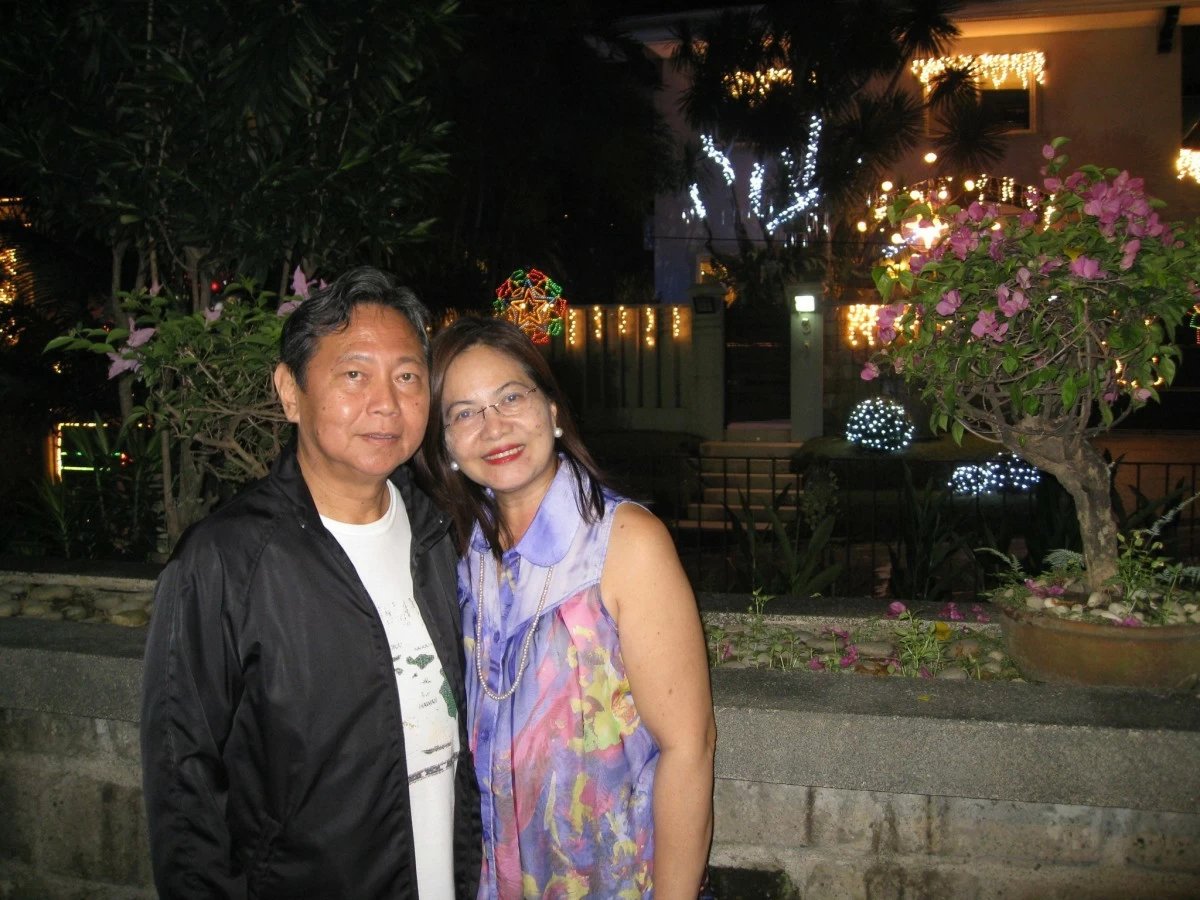
LIFETIME PARTNERS Rosalie Rodriguez and Feliciano 'Boy' Rodriguez Jr., whose shared travels and meals across the Philippines left lasting memories for their children. (Photo: Feliciano Rodriguez III/Manila Bulletin)
She knew every corner of Binondo, even into her adulthood. All the Fil-Chi wives minding the food stalls or businesses there knew her, were her “kumare,” which means she knew all the great foodie stops from Binondo, to Escolta, to Quiapo.
If it were not for her, my sister and I would not have known how to ride the bus, jeep, or even tricycle. We would eat, with her, street food in Malabon, Divisoria, even in Zurbaran Shopping Arcade on Fugoso Street, Santa Cruz, Manila. A famous clothing district back in the ’90s, when there was no fast fashion or online shopping then; this is where she decompressed and relaxed and did her shopaholic routine. Her only vice apart from food.
In our hometown in Malabon, when I was young, she would drag me to the wet market (which I hated, with all the weird smells and grimy floor), but this is where she would get my favorite Malabon dish, the tapang kabayo (marinated and fried horse meat), and at home, before cooking it, she would stew it in ginger, 7-Up, and some peppers before frying it. My absolute favorite. A dish I haven’t tasted in years.
She made our lives flavorful. She was even sly enough to make me try her favorite snack, singkamas. It really has no appeal for me. But I tried it nonetheless. She had that loving way of pushing your boundaries, making you want to try new things and make the most of life. But she really did love those damned singkamas.
Perhaps that is why, as recounted to me 13 years ago by my sister, those were her last words.
Weeks after her deteriorating health and weak, withering body, she was suffering in bed at home when, all of a sudden, she uttered those words loud and clear. Very quaint, very simple, very mundane. “Singkamas.” She said it with a smile on her face and her eyes closed, my sister told me. She dismissed it. And then they both proceeded to take a nap. A few minutes later, my Ate heard a sort of death rattle emanating from my mom. She was breathing abnormally fast, not in pain, eyes closed. Minutes later, she passed away—our family losing a huge part and flavor of our lives.
I was not in the house then, so I missed her last moments. Me, the momma’s boy. We were all taking turns taking care of her at home. She was battling cancer for more than two years by then. My last moment and image of her face: a bit wracked with pain, but still smiling, her skin yellow with jaundice, telling me, yes, to take a break from looking after her and watch a movie with my friends. When I learned she passed away, I literally dropped everything, left the cinema, and took the bus to the hospital. I wasn’t even able to say goodbye.
I wonder what she would think of me now. What would she have thought now that I am a journalist and did not go into business like my father (who passed away six years ago)? What would she think of my cat?
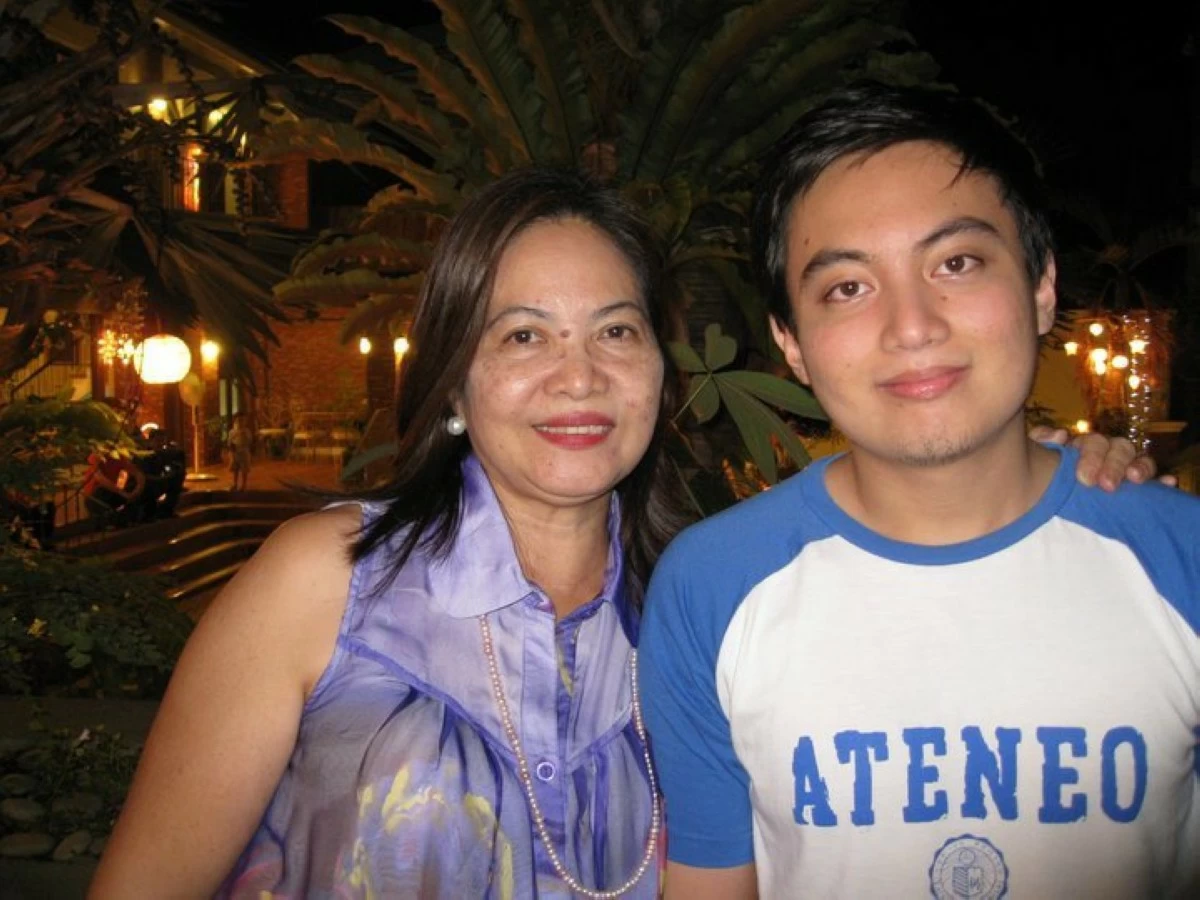
MOMMA’S BOY The author with his mother, Rosalie Rodriguez, whose curiosity, adventurous palate, and love for discovering local food left a lasting mark on his life. (Photo: Feliciano Rodriguez III/Manila Bulletin)
I now realize that a big—really big—part of me comes from her. My love for food, for exploring new things, my curiosity—a very important quality for a journalist. She made me who I am today.
Every Mother’s Day, even 13 years on, I still remember my mother. My older sister and I still talk about her, still make fun of her, recall all the hits and misses that she cooked. Happy memories all. It never really goes away—the love, the cherished memories.
My mother taught me to be a foodie. To take a bite out of the world, taste the culture, and live life fully. We all need someone who pushes us out of our comfort zone. To me, and plenty of other people, that person is their mom. What can I say, I’m a momma’s boy. I still miss her, even after all these years she’s been gone. It never really leaves you—that feeling of loss. But truly, no one is ever really gone. Hug your mommies. And happy Mother’s Day!