







PhilCare HeyPhil 3.0 leverages automation to solve healthcare bottlenecks
By Bob Reyes
Published May 6, 2026 08:01 am


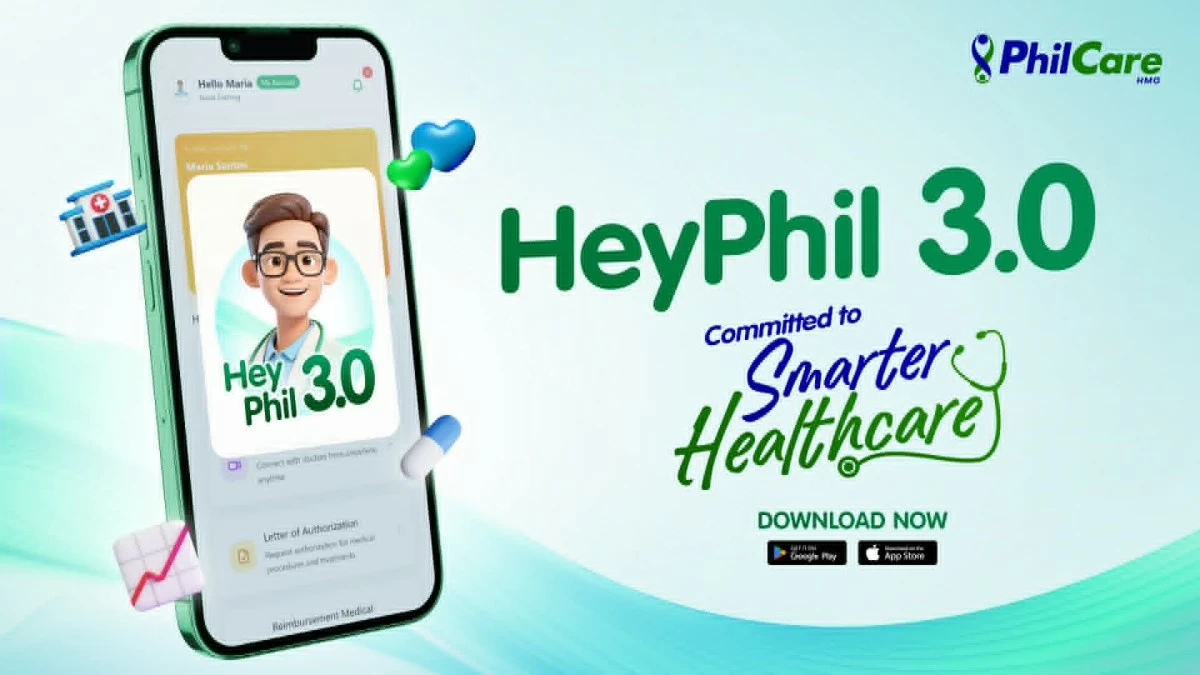
The Philippine healthcare sector is currently undergoing a massive digital shift, and at the center of this movement is the recent release of HeyPhil 3.0. PhilCare, a veteran in the local HMO space, has overhauled its mobile platform to move beyond simple health tracking, focusing instead on solving the chronic "waiting room culture" that has plagued manual healthcare systems for decades.
In the tech world, friction is the enemy of the user experience. For Filipinos, that friction usually manifests as long commutes to hospitals and even longer waits for administrative approval. HeyPhil 3.0 addresses these pain points by integrating high-level automation and a cleaner, more intuitive interface. By converting a standard smartphone into a proactive medical gateway, the app is setting a new standard for how technology can bridge the gap between initial symptoms and professional treatment.
Automated LOA and the End of Hospital Queues
The most significant technological leap in this version is the automated Letter of Authorization (LOA). Previously, a member would have to wait at a hospital desk for a manual approval process between the facility and the HMO provider.
HeyPhil 3.0 eliminates this bottleneck by allowing users to generate an instant LOA for consultations and procedures directly on their device. With a pre-approved daily limit of PHP1,500, the system provides an immediate green light, allowing patients to proceed with medical care without the typical administrative delay. This shift from manual to automated verification is a game-changer for point-of-care efficiency.
High-Fidelity Teleconsultations via DigiMed
Telemedicine has evolved from a pandemic-era necessity into a core pillar of modern digital health. HeyPhil 3.0 streamlines this through a two-tiered service ecosystem. For immediate primary care, users can access DigiMed to connect with general practitioners for quick consultations and advice. Those requiring more specialized expertise can utilize DigiMed Plus, a dedicated portal for booking appointments with medical experts across various fields.
By centralizing these services within a single user interface, PhilCare is effectively leveraging the "app-as-an-ecosystem" model. Users can skip the traffic and connect with doctors via video or voice, ensuring that expert advice is just a few taps away. This approach not only saves time but also reduces the burden on physical hospital facilities, making healthcare more accessible for a mobile-first population.
Financial Tracking and Enhanced Digital Security
On the backend, HeyPhil 3.0 introduces a more transparent financial system. Members can now file reimbursement claims digitally, moving away from the cumbersome paper-based systems of the past. The app features a real-time status tracker, giving users visibility into the processing pipeline -- a feature commonly seen in fintech apps that is now being applied to healthcare.
Given the sensitivity of medical data, the update includes robust security protocols. Users can manage their passwords and account settings with increased granular control, ensuring that personal health information remains protected in compliance with modern data privacy standards.
The Rise of the DigiCard Ecosystem
To further reduce physical friction, the app promotes the use of the DigiCard. This digital identification system removes the need for members to carry physical HMO cards. Upon secure verification -- using a PhilCare Certificate Number and birthdate -- the DigiCard becomes the primary key for accessing all of the app’s automated features.
With version 3.0, PhilCare is demonstrating that the future of the HMO industry lies in treating healthcare as a streamlined service ecosystem. By prioritizing speed, transparency, and user-centric design, the app is effectively proving that digital transformation is the most potent remedy for the age-old problem of the waiting room.