






Manila Bulletin
 Lifestyle
Health and Wellness
Is it possible to be healthy and productive by doing nothing?
Lifestyle
Health and Wellness
Is it possible to be healthy and productive by doing nothing?
Lifestyle
Health and Wellness
Is it possible to be healthy and productive by doing nothing?
Is it possible to be healthy and productive by doing nothing?
Learning the importance of avoiding burnout
By Cheshire Que
Published May 5, 2026 02:48 pm


At A Glance
- Learning the art of doing nothing or intentionally resting will decrease the inflammatory responses in your body that are related to medical illnesses.
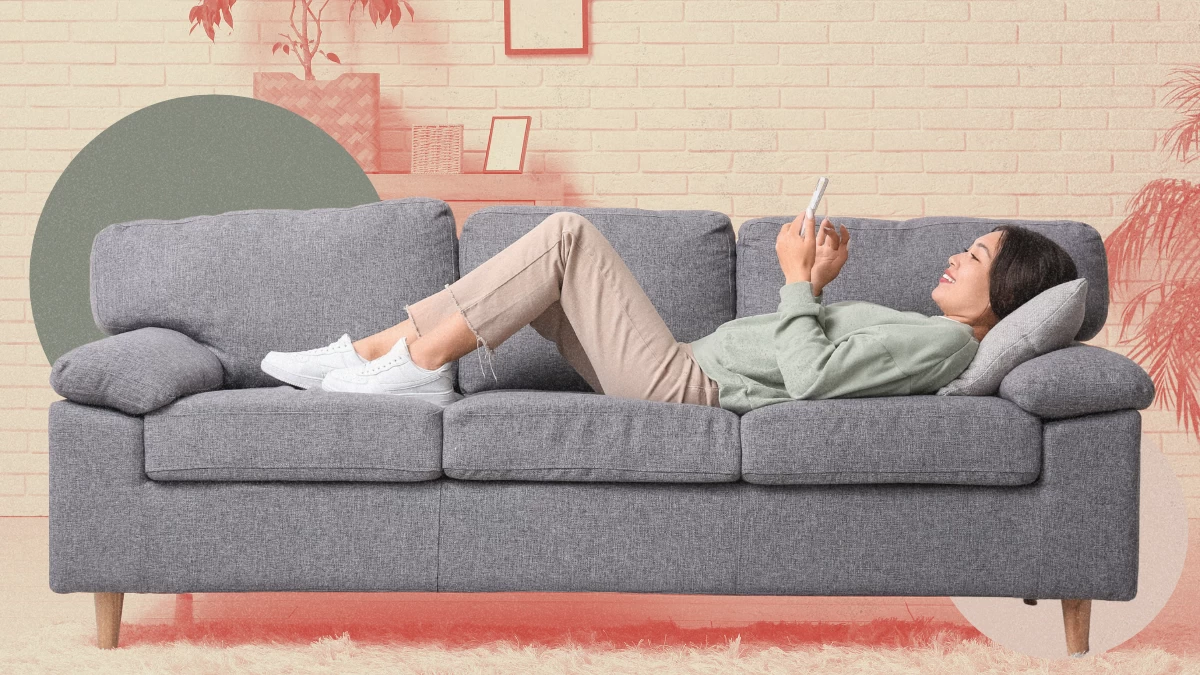
Do you feel uneasy or, worse, guilty when you rest or when you are not doing anything? Do you struggle with keeping still for a few moments? Is a moment of silence deafening for you? Do you get anxious when you do not have your mobile phone or other smart gadgets with you?
If you said yes to any of the questions above, then you need to learn the art of doing nothing. Simply because doing nothing is beneficial for you and the people around you.
In 2024, Amani Fadzlina Abdul Aziz and Tiffanie Ong published a study on the prevalence and associated factors of burnout among working adults in Southeast Asia, utilizing secondary data obtained from the results of a public health assessment. Their study included 4,338 full-time employees with an age range between 18 and 65 years old. The subjects were residing in Malaysia, Singapore, the Philippines, and Indonesia. They were assessed for burnout, depression, anxiety, stress, and sociodemographic characteristics. Data was gathered through an online public health assessment in October 2022.
The study concluded that the prevalence of burnout in Southeast Asia is 62.91 percent. To make matters worse, burnout was found to be highest among employees in the Philippines, which was approximately 70.71 percent. Out of the four countries, Malaysia ranked the lowest prevalence at 58.13 percent.
According to the World Health Organization, burnout is a syndrome resulting from chronic stress in the workplace that has been unsuccessfully managed. Burnout is characterized by feelings of energy depletion or exhaustion; increased mental distance from one’s job, or feelings of negativism or cynicism related to one’s job; and reduced professional efficacy. Simply put, burnout happens when one is drained of energy and unproductive, or has decreased work efficiency and productivity.
Being burned out does not just affect an individual’s work productivity. It affects one’s relationships at home and everywhere else. How many times have you lost the desire to spend quality time with your loved ones and just find yourself spacing out or doom-scrolling on your phone after work? How many times have you responded in an irritable manner to the people you love because you have nothing left of yourself to give?
Relationships are not just the casualties of burnout. Your physical and mental health suffer too. According to Aziz and Ong’s study in 2022, experiencing burnout is associated with anxiety, stress, and severe or extremely severe depression. They recommend improving employee mental health and work conditions to reduce employee burnout.
If you are spreading yourself too thinly for so long and do not intentionally take time to rest, you must be feeling some unexplained aches and pains by now. Migraine attacks that never end? Is your blood pressure elevated? Are your blood sugar, cholesterol, triglycerides, uric acid, and other blood chemistry values abnormal? Are you having difficulty losing weight? Do you suffer from poor quality sleep? Are you having stomach issues such as hyperacidity and problems with bowel movements that could be chronic constipation or diarrhea? Do you easily get the flu? The list of symptoms and medical conditions could go on and on. One thing is for sure: your body is screaming for rest. Your immune system is down, your oxidative stress is high, your body is nutrient-deficient, and you are a walking time bomb waiting to explode. Do not wait until you find yourself helpless and lying on a hospital bed. You can do something about it, and that is to do nothing.
Learning the art of doing nothing or intentionally resting will decrease the inflammatory responses in your body that are related to medical illnesses. It will decrease the production of stress hormones such as cortisol that impact blood glucose, blood pressure, cholesterol, and even the production of sexual hormones. After all, stress is also associated with fertility issues. Stress upsets the gut microbiome and kills the beneficial bacteria in the gut that play a role in immunity, metabolism, and even mood and sleep.
In a fast-paced world, it will be challenging but not impossible to do nothing. You don’t need to take an entire day to do nothing. That would be ideal, but if you’re a busy bee all your life, begin by mindfully taking five to 10 minutes a day to just let your thoughts wander, focus on your breath, close your eyes, and do nothing. Put all your gadgets down and away from you. Embrace boredom. Go for silent walks. Even if it is just inside your room, office, or hallways. If you are feeling overwhelmed, do the same thing. Close your eyes, breathe, and let your thoughts wander. Stand up, pace, or simply sit still. You can also lie down with your arms and legs spread to the sides.
Doing nothing will switch your brain’s activity from problem-solving and external tasks to rest and restoration. It is during this time that your brain processes emotions and experiences. When you go back to your tasks, you will experience more productivity and efficiency. Your mood will be better. You will be able to cope with stress and have a better disposition, which is very important to building and nurturing relationships.
Have pockets of rest throughout the day. It can be a short one or a scheduled long one. The most important thing is to learn the art of doing nothing. No matter how uncomfortable it may initially feel, just be intentional until it feels right. Until such time that your mind and body naturally desire it. Thus, it becomes a lifestyle.