







A Japanese classic returns in a new BGC home
Ogawa Traditional Japanese Restaurant reopens with a refreshed space and a renewed focus on authenticity
Published May 4, 2026 11:12 am


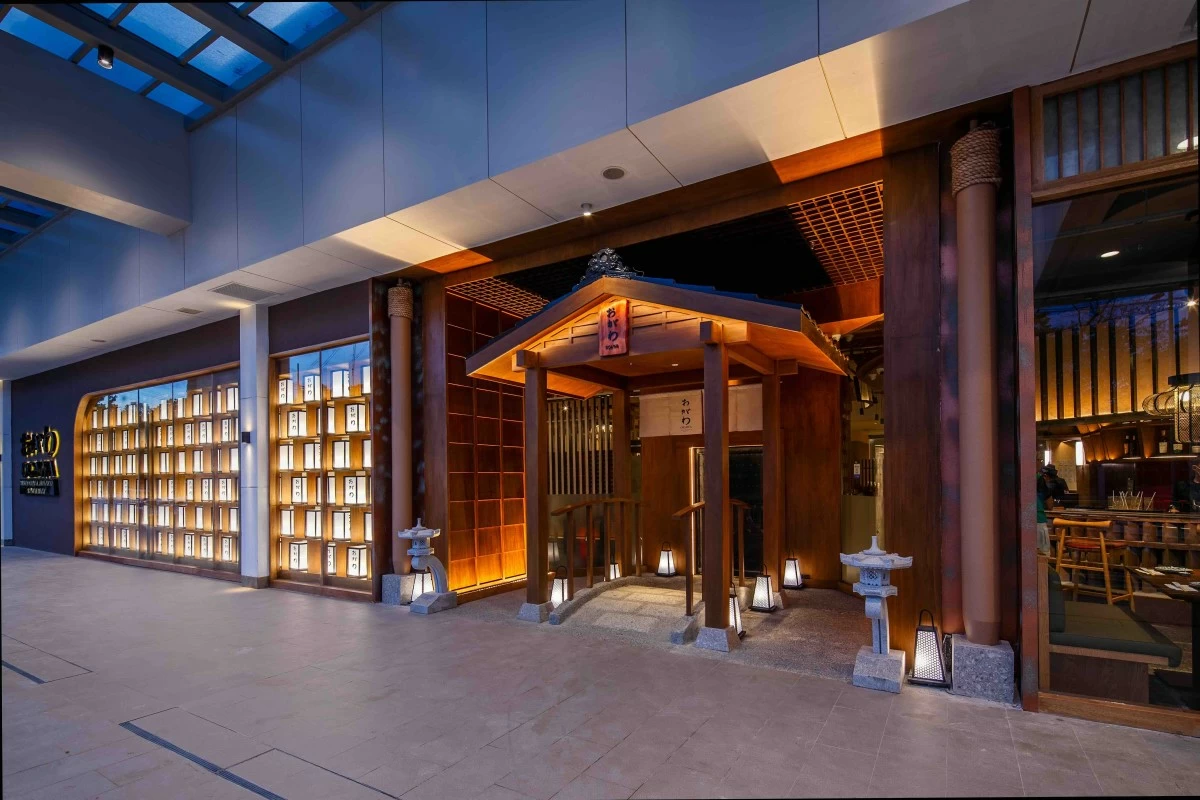
Ogawa Traditional Japanese Restaurant reopens, bringing authentic Japanese dining to a new home. (Photo: Ogawa)
It had been a while since I last thought about Ogawa.
For many who have been dining around Metro Manila long enough, Ogawa Traditional Japanese Restaurant is one of those names that stayed in circulation.
Now, it returns, reopening in a new space at the upper ground floor of The Shoppes at Park McKinley West along Lawton Avenue in Bonifacio Global City, bringing with it the same approach that built its following: a focus on authenticity, technique, and quality ingredients.
The restaurant has long been known for its sushi, teppanyaki, and a wide range of traditional Japanese dishes, built on the principles of freshness and careful preparation. With the reopening, that direction remains intact, now shaped by a refreshed space and a kitchen led by head chef Kazu Yonemoto.
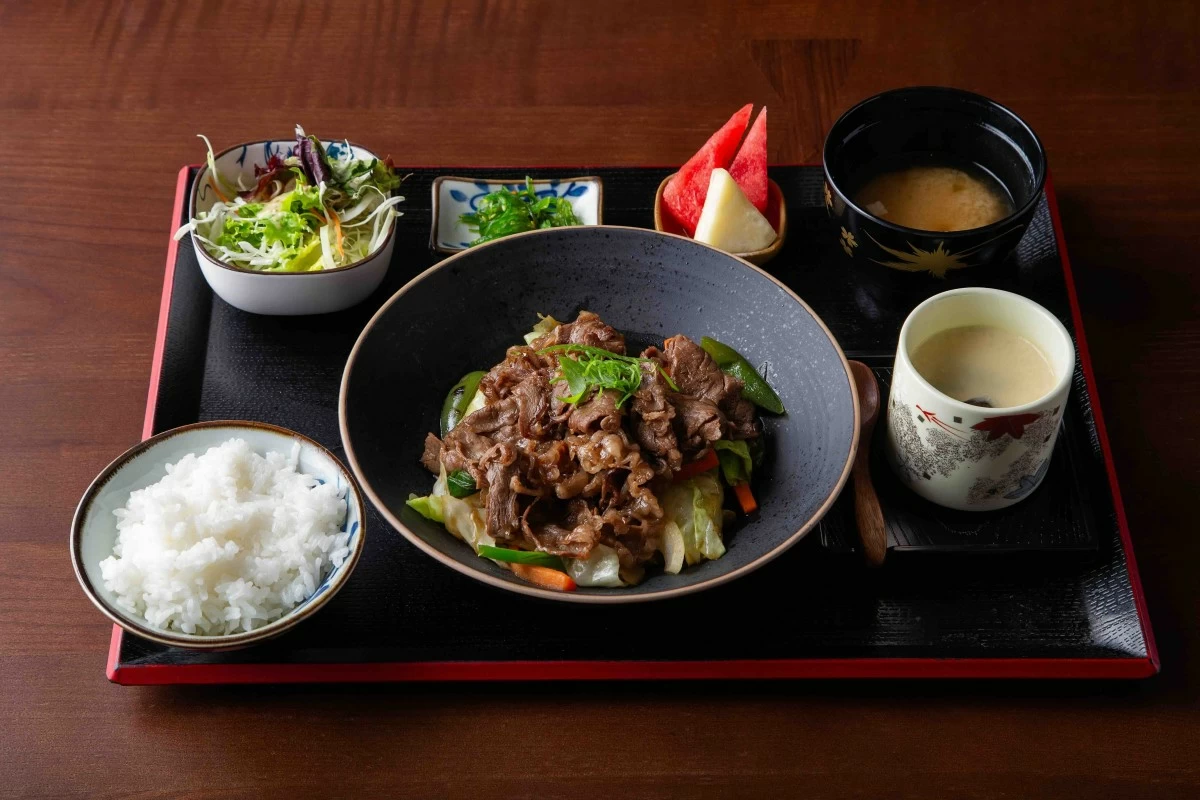
Jyu Jyu beef steak set with appetizer, beef steak, rice, miso soup, salad, and fruits offers a complete and satisfying meal. (Photo: Ogawa)
(Photo: Ogawa)
Kazu brings years of experience and a clear respect for Japanese culinary tradition, guiding the menu with an emphasis on authenticity while allowing for subtle adjustments suited to the local palate.
That commitment shows in the sourcing. Seafood is flown in from Tokyo’s Toyosu Market, while the beef selection includes a range of high-grade Wagyu—Kobe, Matsusaka, Ohmi, Kagoshima, and Miyazaki—each known for its distinct character.
The menu itself reads like a survey of Japanese cuisine. There are the familiar comforts—donburi, sukiyaki—alongside more involved dining formats such as teppanyaki, kaiseki, and robatayaki. One of the highlights of the new space is the live robatayaki grill, where dishes are prepared over charcoal in full view of diners, adding a layer of theater to the meal.
There are also small shifts that signal where the restaurant is headed. Burgeryaki, a newer addition, introduces a more contemporary note without straying too far from its roots. For now, the restaurant is operating on a curated soft opening menu, with plans to roll out a more extensive 40-page selection in the coming months.
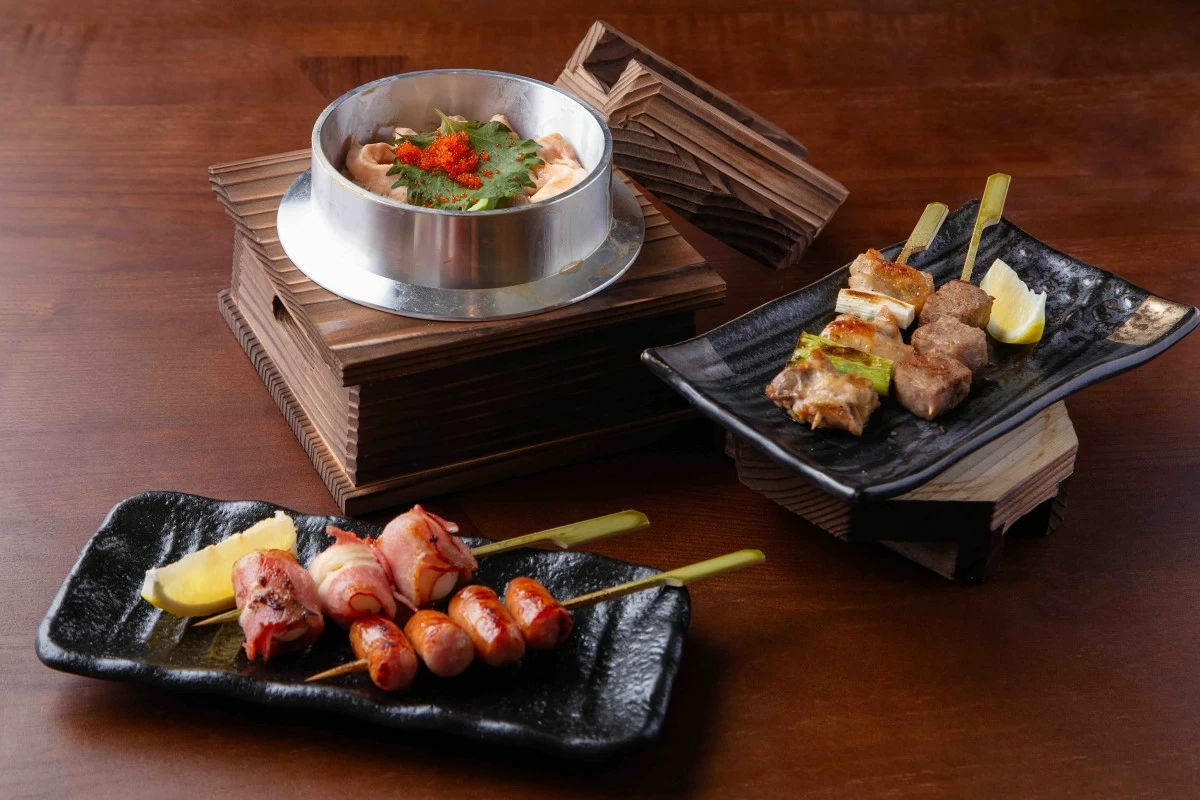
Shake kamameshi, a salmon and ikura rice casserole, delivers a rich, savory base layered with seafood flavor; and a Yakitori selection of negima, gyukushiyaki, uzura bacon yaki, and arabiki sausage showcases a mix of classic grilled bites. (Photo: Ogawa)
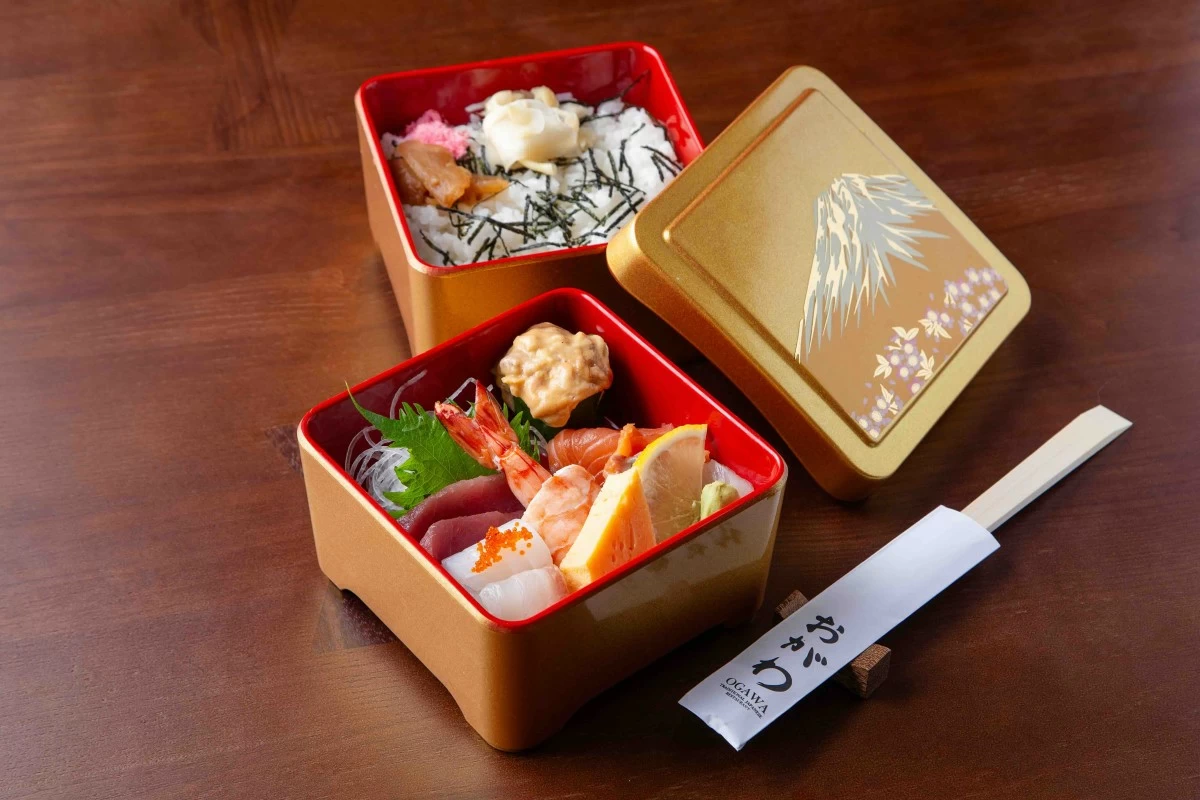
Kaisen Chirashi Sushi Zen Bento (Photo: Ogawa)
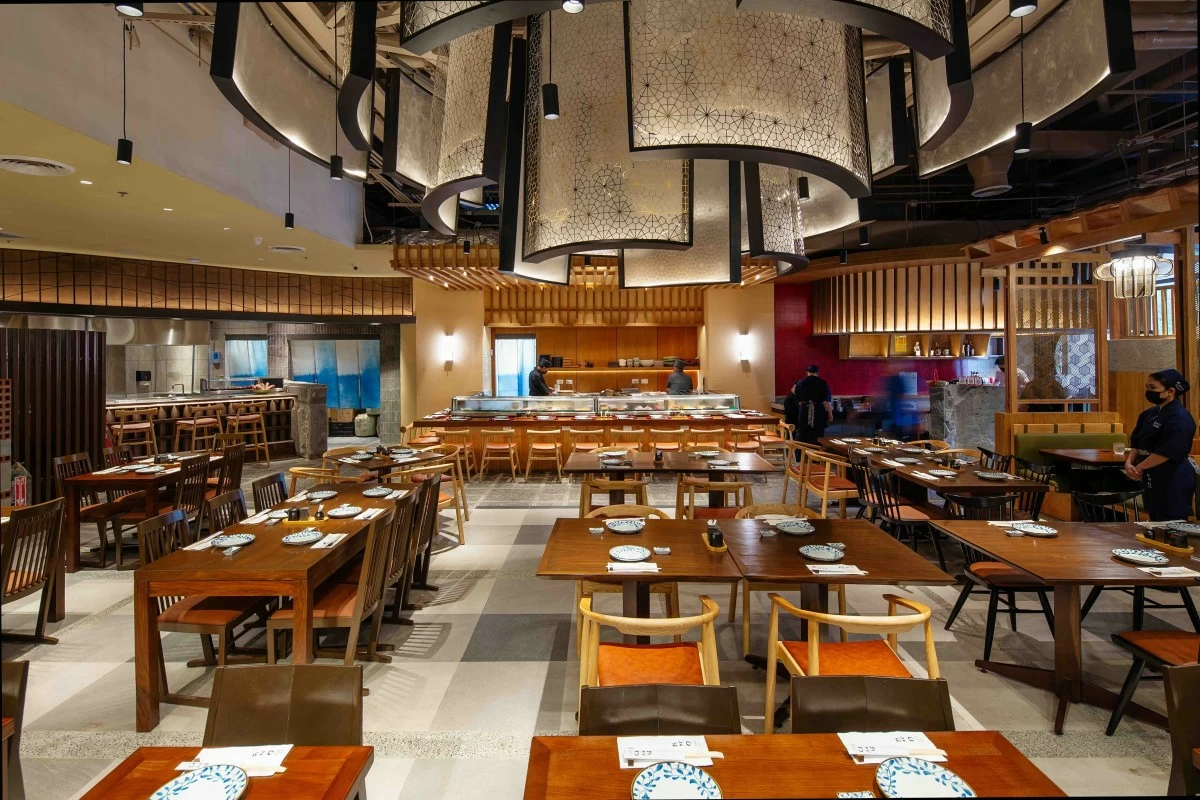
The space reflects that same balance between old and new. Earth-toned palettes and rustic finishes give the restaurant a warmer, more grounded feel, while familiar elements have been carried over—its signature bridge and antique door remain, subtle reminders of its earlier iteration.
Private dining rooms, named after districts in Tokyo such as Ginza, Roppongi, Akasaka, Aoyama, and Shinbashi, offer corners for small groups, while the open sushi station puts the focus on craftsmanship, each piece assembled within view.
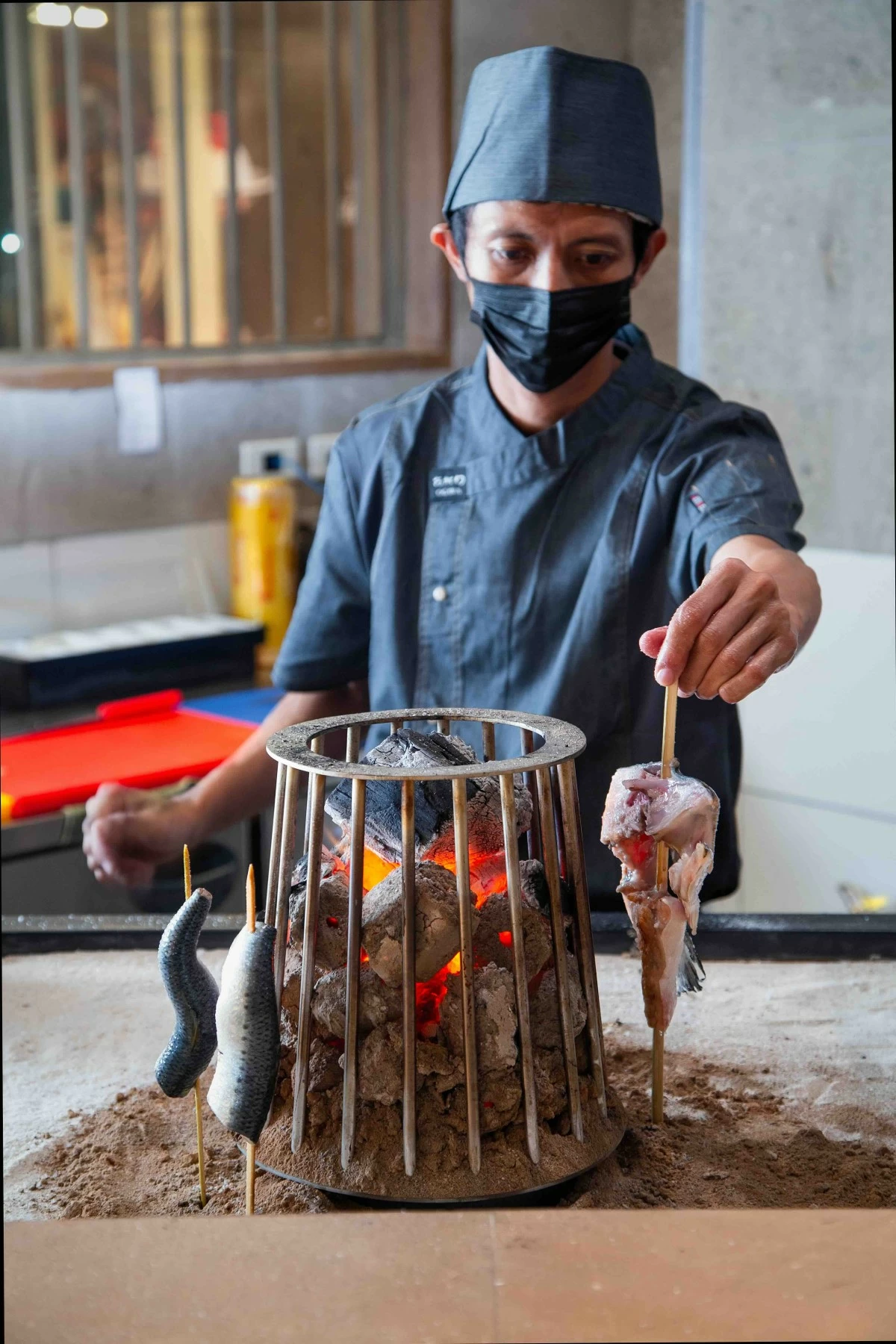
A key highlight of the new OGAWA is its live robatayaki grilling experience, where guests can witness dishes being expertly prepared over open charcoal flames (Photo: Ogawa)