







Is fashion truly art?
Ahead of this year's Met Gala, Manila Bulletin Lifestyle got in touch with creatives and leaders from different facets of the fashion and arts industry to talk about this year's dress code—or rather, its statement
By John Legaspi
Published May 1, 2026 09:23 am


Every first Monday in May, the world’s gaze turns to New York, particularly to the Metropolitan Museum of Art, as it hosts fashion’s biggest night: the Met Gala. For years, people tune in not just to get a glimpse of its spring exhibition but also to admire—or judge—its attendees on how they interpret the event’s dress code.
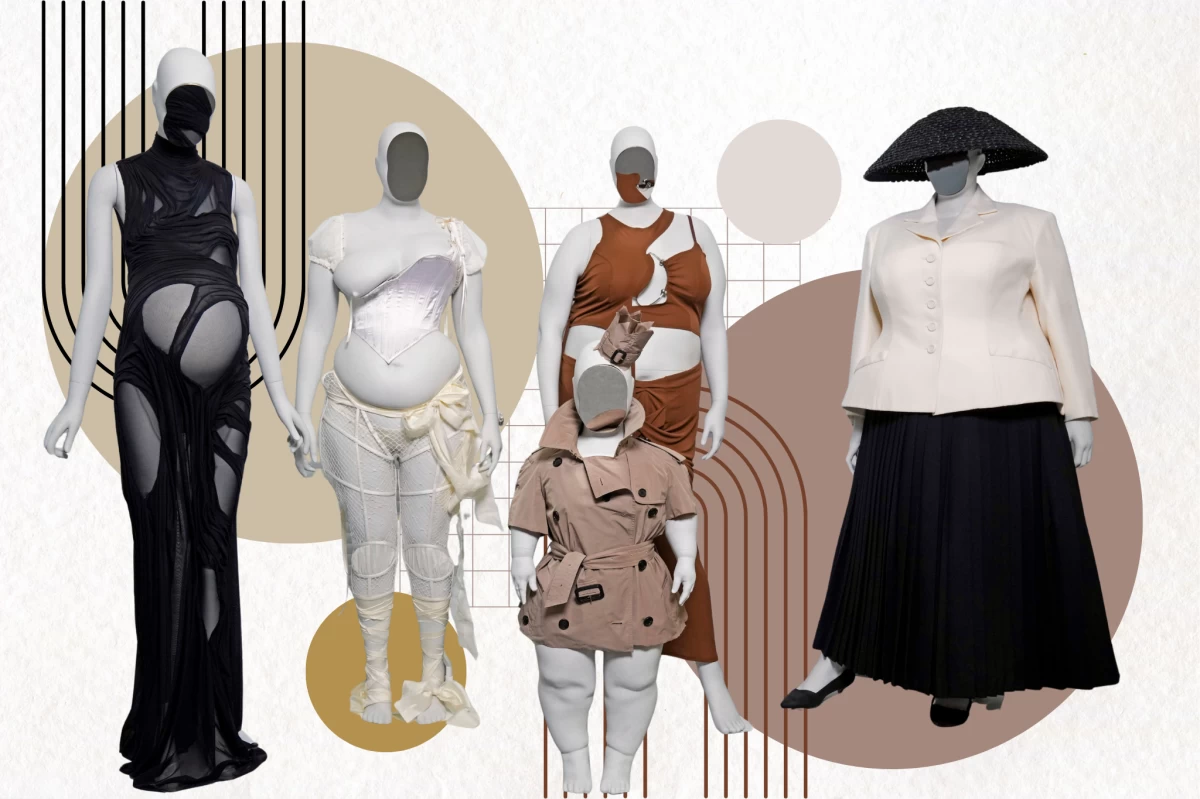
DRESSED BODY The upcoming spring exhibition will feature mannequins exploring different silhouettes, from corpulent forms to disabled bodies. (Photo: Charles Sykes/Invision/AP)
This year, invitees are challenged to arrive in garb following the dress code “Fashion is Art.” Much like the gala’s past editions, the dress code echoes the theme of the forthcoming exhibition, with this year being “Costume Art.” As the Costume Institute’s curator in charge, Andrew Bolton, describes it, the exhibition will “focus on the centrality of the dressed body” and “fashion as an embodied art form.”
Unlike past Met Galas, where themes and dress codes leaned toward a specific champion (“Jacqueline Kennedy: The White House Years,” “Rei Kawakubo/Comme des Garçons: Art of the In-Between,” and “Karl Lagerfeld: A Line of Beauty”) or culture (“China: Through the Looking Glass,” “AngloMania: Tradition and Transgression in British Fashion,” and “Superfine: Tailoring Black Style”), this year’s concept is broader and open to bold interpretation.
The thing is, “Fashion is Art” feels more like a statement than just a style guide. It underscores what the Metropolitan Museum of Art and its Costume Institute have been doing for years with the gala—that, much like art, fashion is an important part of cultural history. But the question remains: Is fashion truly art?
To find the answer, Manila Bulletin Lifestyle reached out to creatives and leaders from different facets of the fashion and arts industry, each offering their own perspective on where clothing ends and art begins.
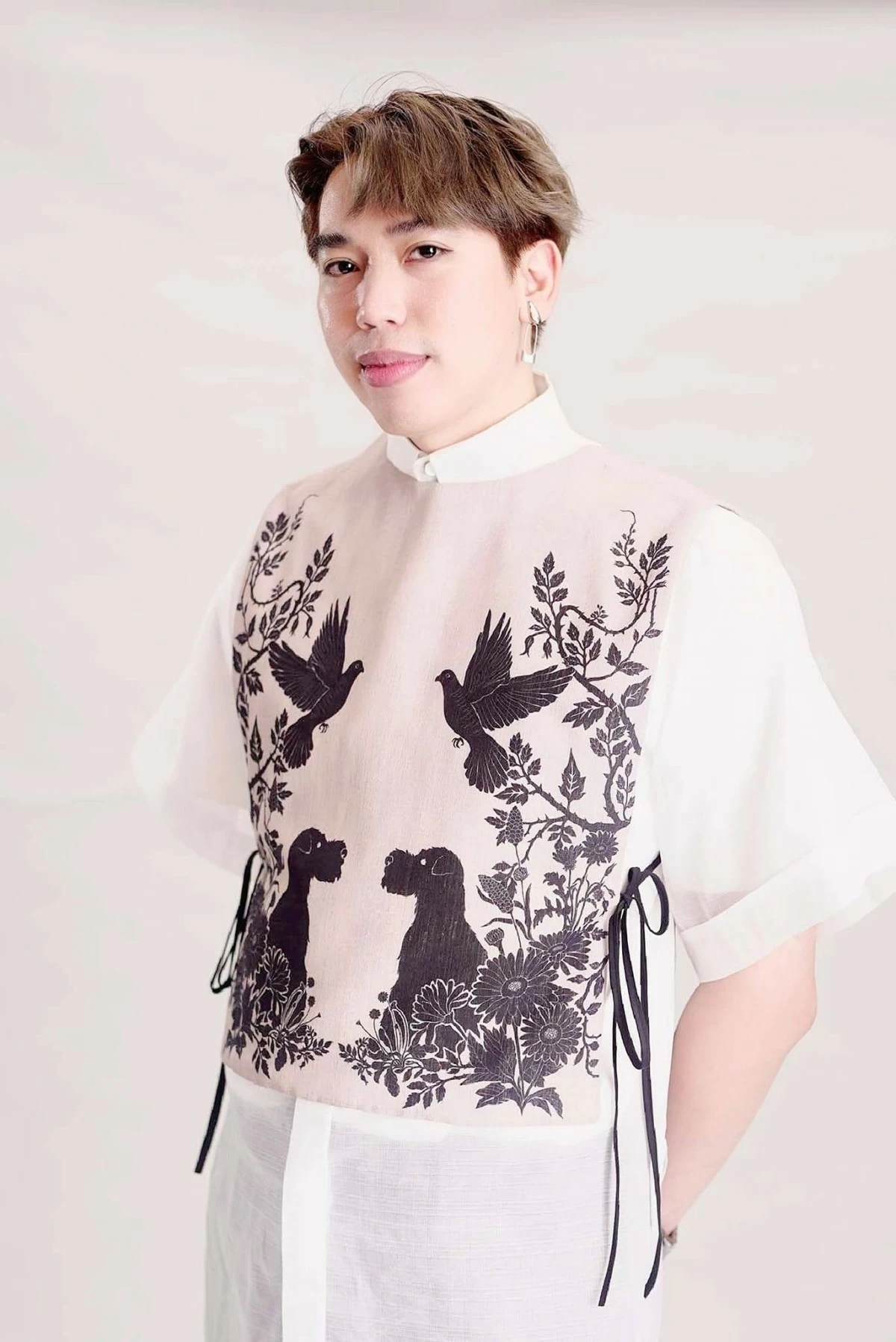
Patrick Lazol (Photo: Patrick Lazol/Facebook)
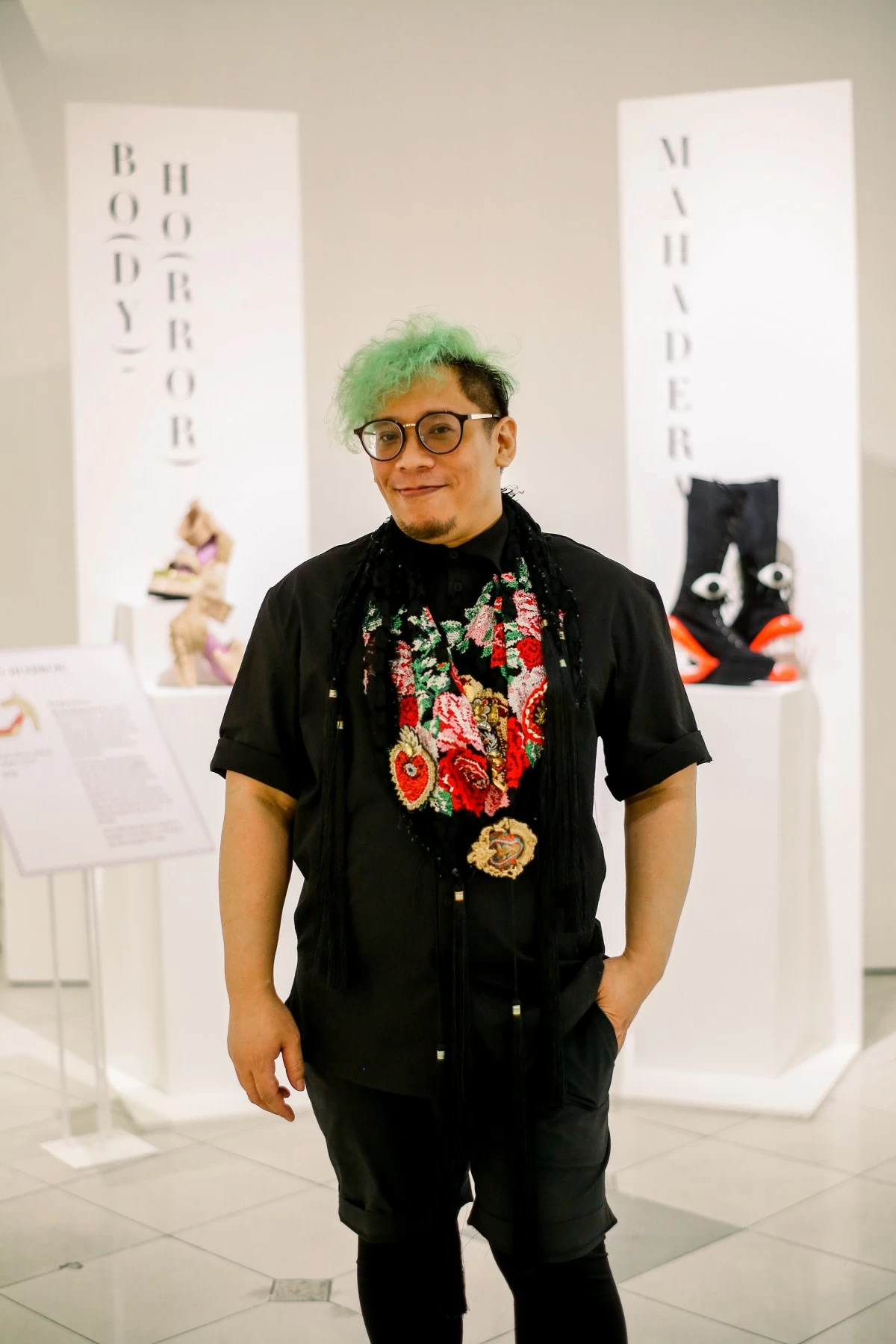
Joel Wijangco (Photo: Yuchengco Museum)
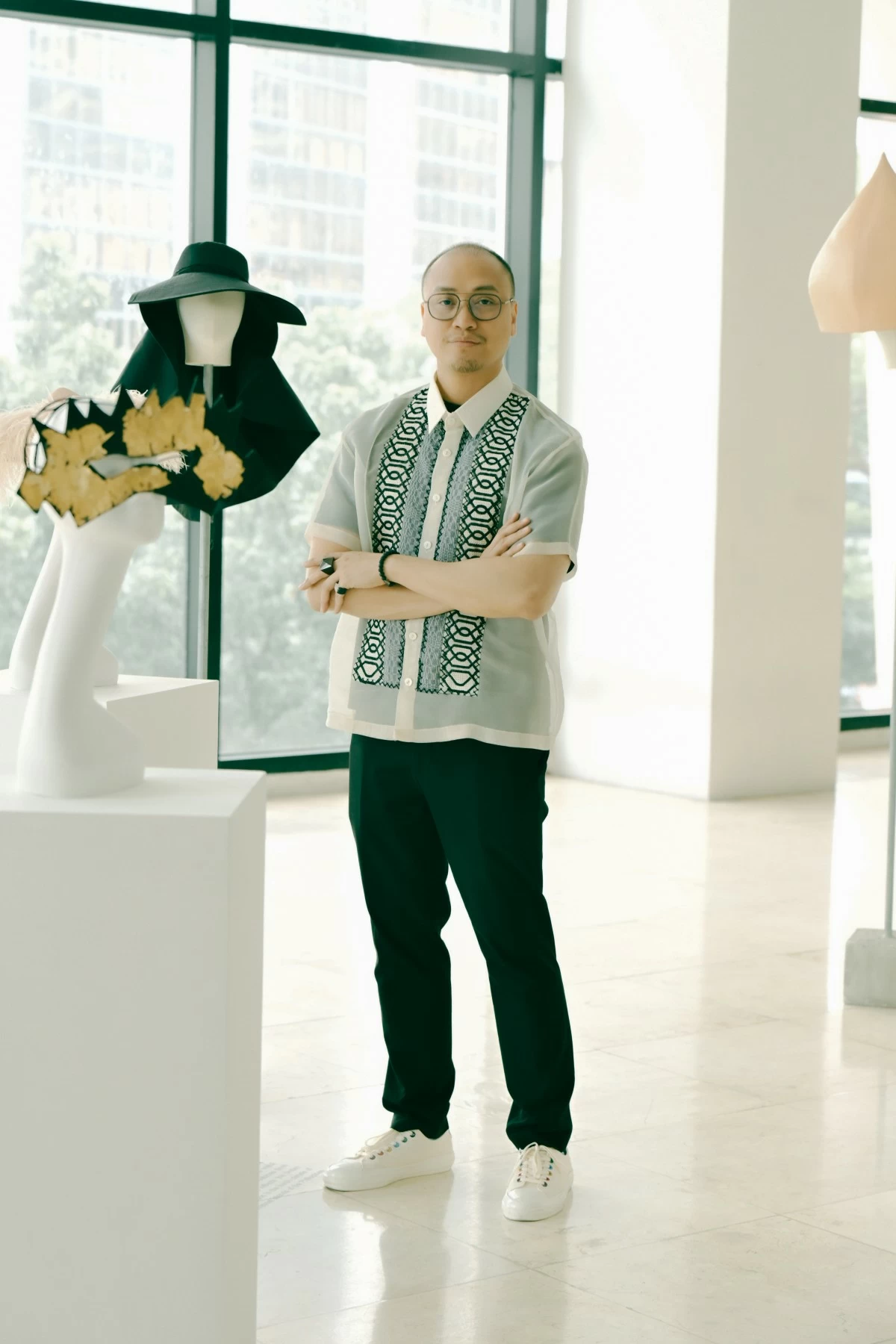
Jorell Legaspi (Photo: Ayala Foundation)
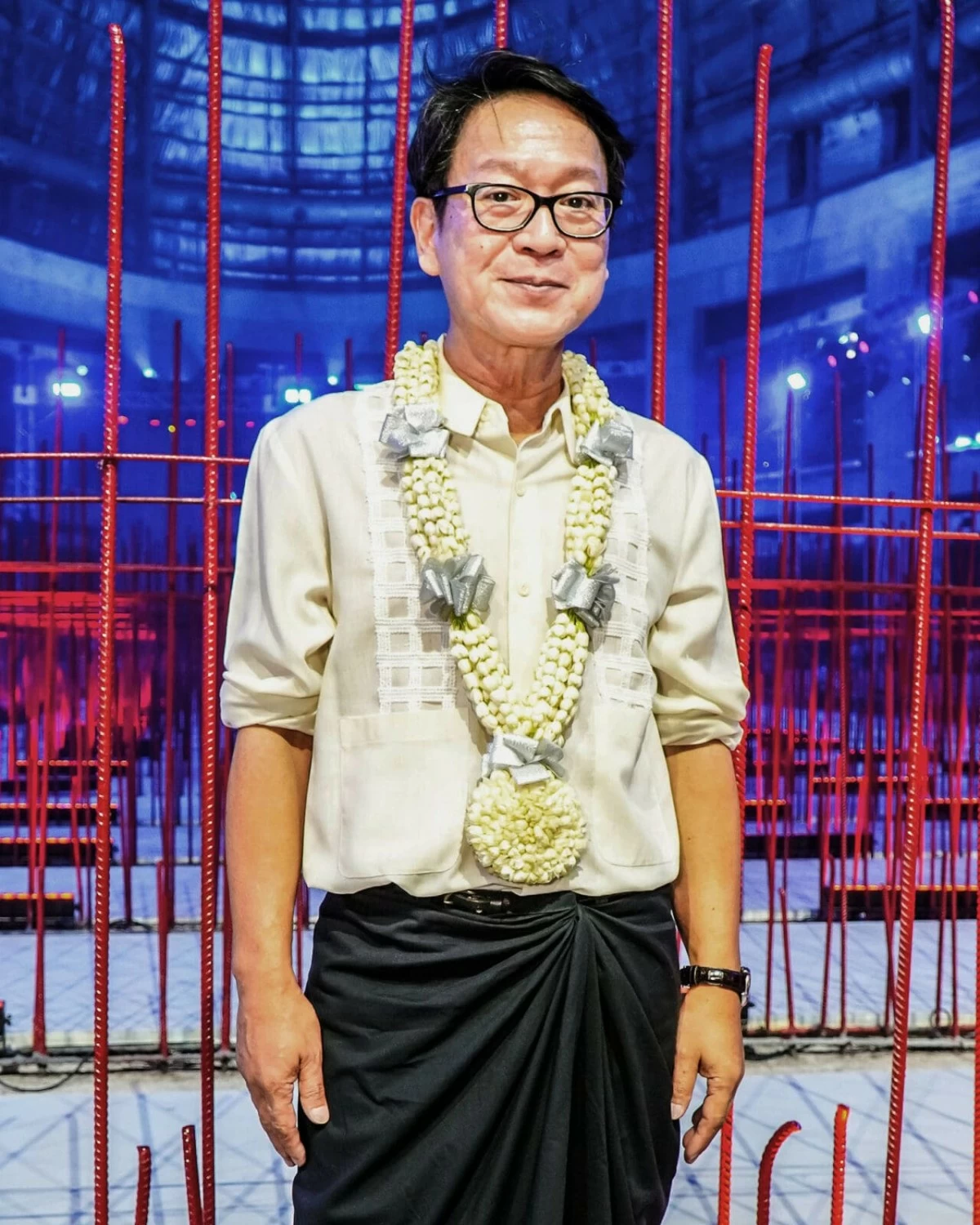
Jojie Lloren (Photo:.SM Supermalls)
A debate on creativity and function
Like many forms of art, fashion requires discipline. It demands creators’ mastery of craft and technique, and the process and end product itself is a merging of many creative expressions.
“Art, for me, not only wants to say something, but is often a critique,” shoe designer Joel Wijangco says. “Fashion starts with utilitarian intentions. But when it decides to speak or tell a story, or charge clothing or an ensemble with purpose, I think that’s when it becomes art or becomes adjacent to art.”
Art invites interpretation. It starts conversations, challenges norms, and offers new perspectives. As seasoned designer Jojie Lloren explains, “It is art when it is narrative and reflective of culture and identity. It goes beyond norms.” He cites examples such as the transformational pieces of Hussein Chalayan, the surreal pieces of John Galliano for Dior and Maison Margiela, the fabric sculptures of Rei Kawakubo and Issey Miyake, and the provocative works of Alexander McQueen as a testament to how fashion transcends function and enters a level of conceptual, boundary-pushing art.
Jorell Legaspi, senior director for Arts and Culture at Ayala Foundation and director of the Ayala Museum, notes how, like art, fashion is a mirror of its time and explores themes of life, beauty, and truth.
“Fashion through the years represents memory, identity, politics, and aspiration,” Jorell muses. “When a garment is thoughtfully constructed and situated within a cultural or conceptual framework—whether through runway, exhibition, or the streets—it participates in a broader conversation about who we are and how we wish to be seen.”
But on a grand scale, it is important to note that not all fashion can be art. Its duality—as a medium of creativity and of utility—is something that both defines and limits it.
“Fashion is meant to be worn and consumed,” Patrick Lazol, fashion designer and Fashion Institute of the Philippines–Ortigas director, says. “Designers must operate within the realities of a business—product development, costing, pricing, and overall sustainability. For fashion to exist, it needs utility and a market. Fashion sits in between. It is not purely art nor purely commerce, but an applied art that constantly negotiates both.”
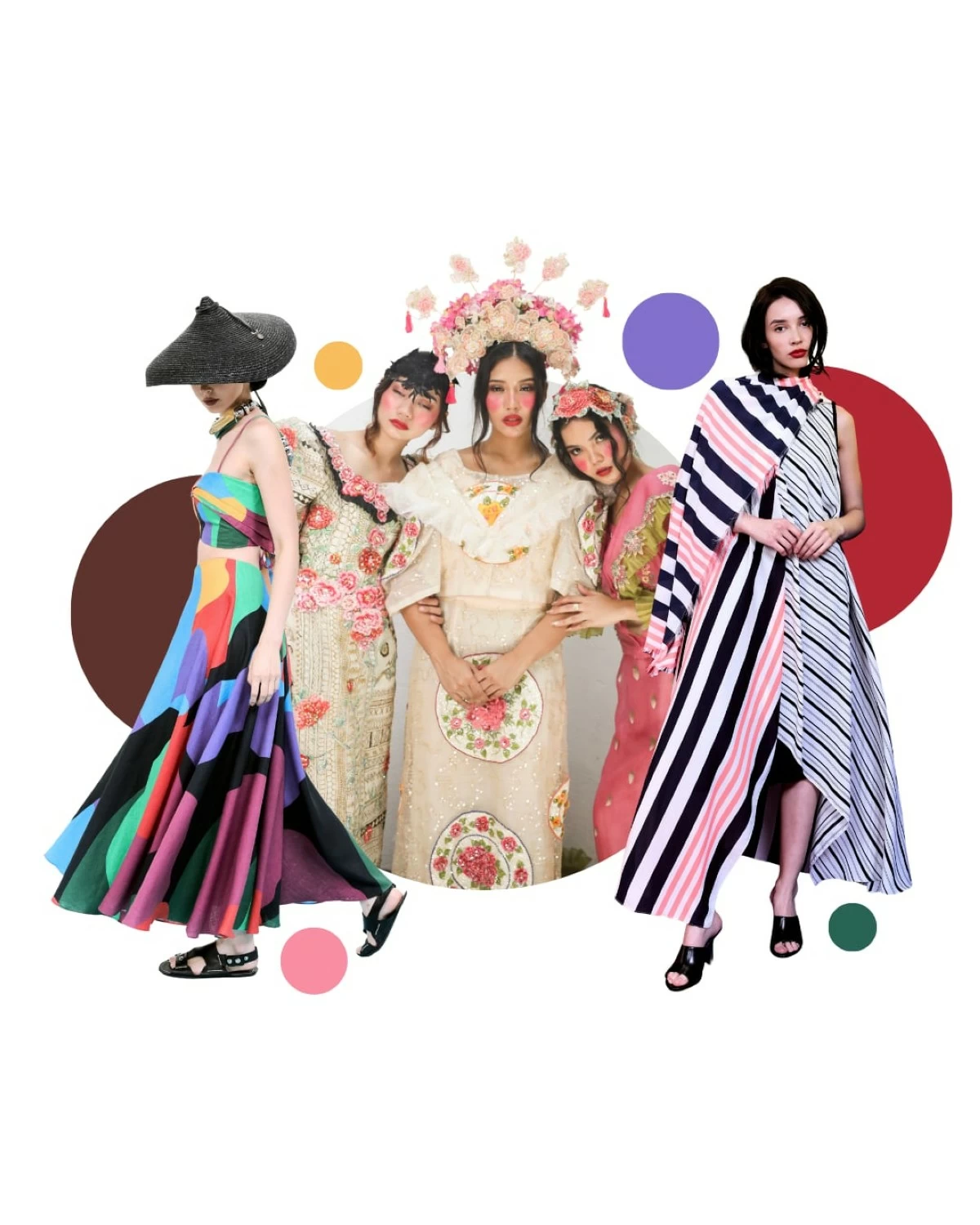
WOVEN STORIES In the Philippine context, the work of Rajo Laurel or Patis Tesoro similarly demonstrates how fashion can engage with heritage, material culture, and contemporary life, according to Jorell Legaspi. (Photos: Patis Tesoro and Rajo Laurel)
An ‘embodied art’
When I started writing for Manila Bulletin, I was introduced to the idea that fashion is the art of appearance. While it may sound superficial at first, I came to understand that appearance is often the first language people use to express identity, culture, and intention. That, perhaps, is one of the reasons why Andrew defines fashion as an embodied art form. It is part of our lived experience—and, as he describes it, the only art form that fully does that.
What we wear can communicate history, values, and even resistance—turning garments into statements rather than mere decoration. In this way, fashion moves beyond vanity and becomes a powerful form of storytelling.
“Even for those who hesitate to define all fashion as art, it is important to recognize that fashion has the capacity to be art and deserves critical attention,” Jorell notes. “To frame fashion as art is not about elevating it unnecessarily, but about acknowledging the depth of thought, labor, and cultural meaning embedded within it.”
In the end, perhaps fashion does not need to be confined to a single definition at all. As Joel asserts, “I don't think it needs to be anything. Fashion is whatever you intend it to be. It can be basic and fulfill its practical functions. Or it can be a grand expression, an explosion of wishes, a story told in color, shape, and fabric.”