






Manila Bulletin
 Philippines
National
Congress should review lifeline rate for 'balanced' power subsidy—Palace
Philippines
National
Congress should review lifeline rate for 'balanced' power subsidy—Palace
Philippines
National
Congress should review lifeline rate for 'balanced' power subsidy—Palace
Congress should review lifeline rate for 'balanced' power subsidy—Palace
Published Apr 30, 2026 04:01 pm


At A Glance
- Castro said lawmakers are in the best position to determine how to improve the system moving forward.
- The lifeline rate is a government-mandated subsidy that provides discounted electricity rates to low-income households.
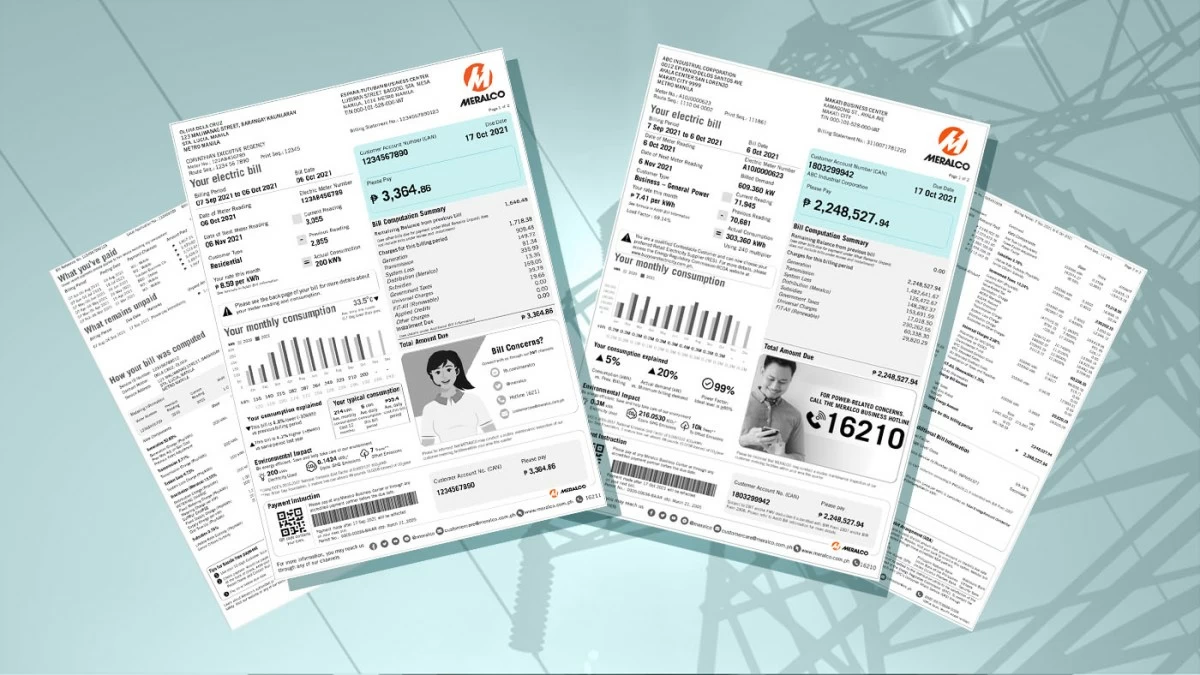
Photo from Meralco
Malacañang said Congress should revisit the country’s lifeline rate system to ensure a fair and balanced distribution of electricity subsidies, amid growing concerns from consumers over rising power bills.
Presidential Communications Office (PCO) Undersecretary Claire Castro said this as Meralco consumers reported noticeable increases in their electricity bills.
In her press briefing on Thursday, April 30, Castro said the current setup, where discounts for marginalized sectors are partly subsidized by other electricity consumers, may need reassessment.
“Siguro ang pinakamaganda rito, mabusising muli ng Kongreso kung ano ang nararapat para magkaroon tayo ng balanced na pagtulong sa ating mga kababayan (Perhaps the best course is for Congress to thoroughly review what is appropriate so we can achieve a balanced way of helping our people),” she said.
What is the lifeline rate?
The lifeline rate is a government-mandated subsidy that provides discounted electricity rates to low-income households, including beneficiaries of the Pantawid Pamilyang Pilipino Program (4Ps).
Under the current system, the cost of these discounts is not shouldered directly by the government but is spread across other electricity consumers through additional charges in their bills.
In the Meralco franchise area, lifeline end-users with zero to 20 kilowatt-hours (kWh) of monthly consumption will be granted a 100-percent discount on the generation charges, including system loss, transmission, and distribution components of their bill, except for the fixed metering charge of P5, which means more or less only P20 from their electric bills will be paid.
This setup is part of broader socialized pricing mechanisms in the power sector.
With the rising electric bills amid the rising temperatures and the ongoing energy crisis, many consumers pointed out the presence of lifeline and other subsidy-related charges in their statements, prompting questions about who should bear the cost.
Some users on social media argued that the government—not paying consumers—should be funding assistance for marginalized sectors.
Longstanding policy
Castro noted that the lifeline rate is not new and has been in place for decades.
“Matagal na po itong batas… nagsimula pa noong 2001 (This law has been around for a long time… it started in 2001),” she said.
The policy was introduced during the administration of former president Gloria Macapagal-Arroyo and has since been extended by succeeding administrations, including those of former presidents Benigno Aquino III and Rodrigo Duterte.
Castro said the program has evolved and expanded through the years, with its implementation extended up to 50 years under recent amendments.