






Manila Bulletin
 Philippines
National
DSWD readies cash aid for Cagayan farmers affected by dry spell
Philippines
National
DSWD readies cash aid for Cagayan farmers affected by dry spell
Philippines
National
DSWD readies cash aid for Cagayan farmers affected by dry spell
DSWD readies cash aid for Cagayan farmers affected by dry spell
Published Apr 29, 2026 03:24 pm


At A Glance
- The Cagayan provincial government declared a state of calamity on April 20 due to severe agricultural losses brought by the dry spell, as well as the continuing effects of an energy emergency
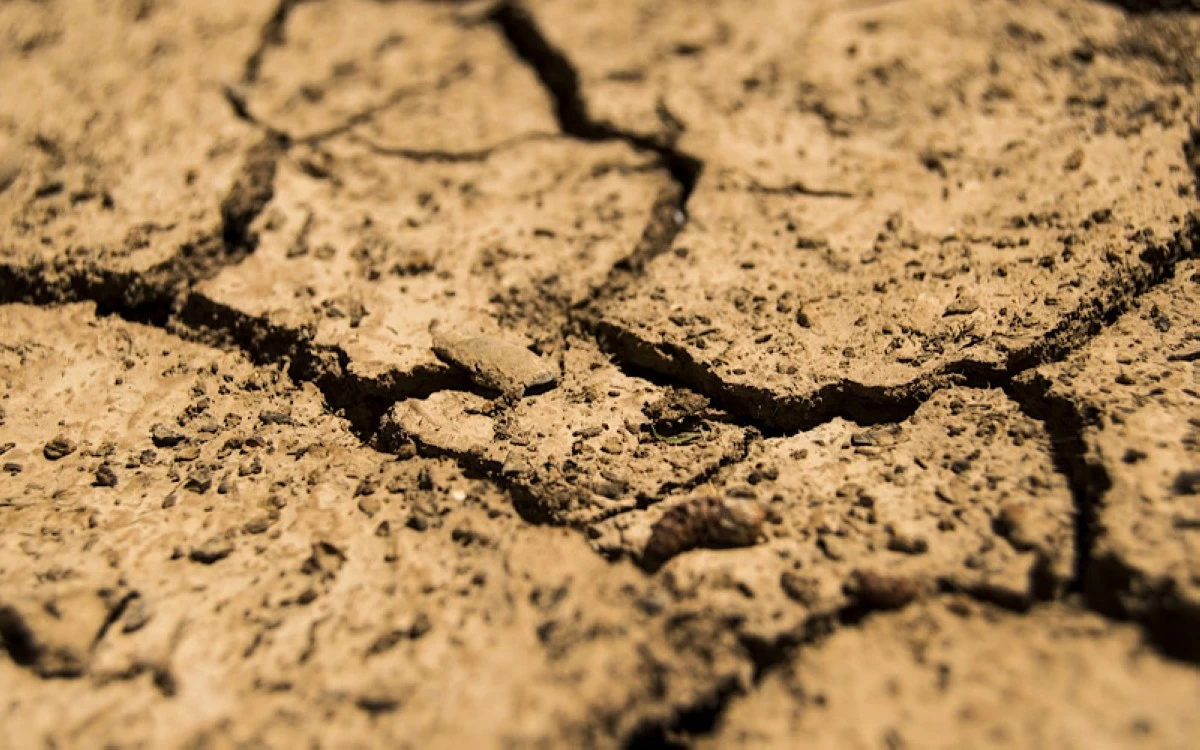
Pixabay photo
As Cagayan continues to experience a prolonged dry condition, the Department of Social Welfare and Development (DSWD) is moving to fast-track financial assistance to support the recovery of affected farmers.
The provincial government declared a state of calamity on April 20 due to severe agricultural losses brought by the dry spell, as well as the continuing effects of an energy emergency.
“Bilin po ng ating Pangulong Ferdinand R. Marcos Jr. na tutukan ang mga kababayan natin sa Cagayan Valley na lubhang apektado ng tag-init. Kaya agaran ding ipinag-utos ni Secretary Rex Gatchalian na makipagpulong sa Pamahalaang Panlalawigan ng Cagayan para alamin ang kinakailangan nilang tulong para maibsan ang epekto nitong dry spell sa ating mga magsasaka,” DSWD Disaster Response Management Group Assistant Secretary and spokesperson Irene Dumlao said on Wednesday, April 29.
(It is the directive of President Ferdinand R. Marcos Jr. to closely monitor our fellow Filipinos in Cagayan Valley who are severely affected by the dry spell. That is why Secretary Rex Gatchalian immediately ordered coordination with the Provincial Government of Cagayan to determine the assistance they need to ease the impact of this dry spell on our farmers).
She added that more than 15,000 corn farmers in Isabela have already received ₱10,125 each under the DSWD’s Emergency Cash Transfer (ECT) program.
The ECT is an adaptive strategy that provides unconditional cash assistance to disaster-affected families to support their immediate recovery.
According to the Philippine Atmospheric, Geophysical and Astronomical Services Administration (PAGASA), rainfall deficiency conditions are classified based on how long below-normal rainfall persists and the severity of the shortfall.
A dry condition is observed when an area experiences below-normal rainfall for at least two consecutive months.
This can intensify into a dry spell if the condition continues for three straight months, with at least two of those months already classified as way below normal rainfall.
PAGASA considers drought a more severe category, declared after five consecutive months of below-normal rainfall, with at least three months recorded as way below normal.
This indicates a prolonged moisture deficit that can significantly affect agriculture, water supply, and other sectors dependent on rainfall.
READ MORE: