ADVERTISEMENT

Drought hits 15 Luzon provinces — PAGASA

22 other provinces experiencing dry spell

Published Apr 23, 2026 12:37 pm
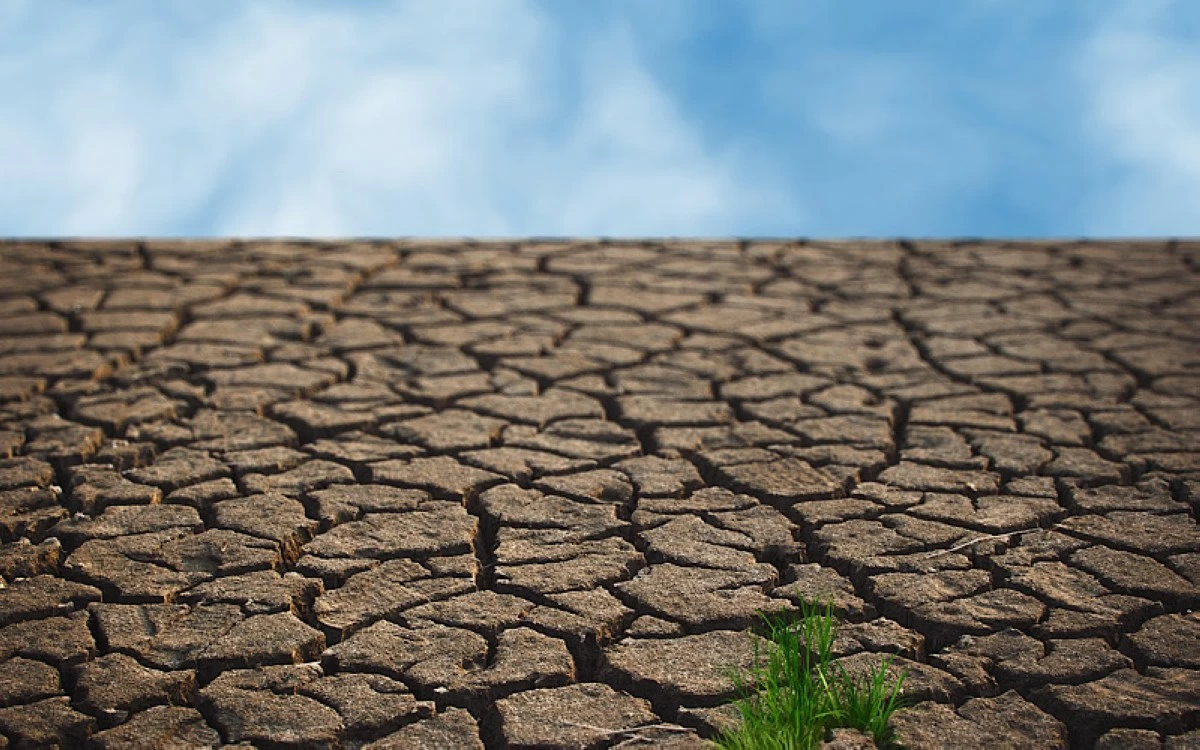
Pixabay photo
Pixabay photo
Even before the development of El Niño, 15 provinces in Luzon are now experiencing drought amid below-normal rainfall across the country.
During the Philippine Atmospheric, Geophysical and Astronomical Services Administration’s (PAGASA) climate forum on April 22, weather specialist Remedios Ciervo said the dry conditions were driven by a significant rainfall deficit recorded across the country in recent weeks.
From April 1 to 19, most provinces monitored by PAGASA experienced way-below normal rainfall, or less than 40 percent of their usual precipitation based on historical averages.
“The normal is obtained by dividing actual rainfall by the average and multiplying the result by 100 percent,” Ciervo said, explaining how rainfall data are compared against long-term averages.
Ciervo explained that the classification for dry condition, dry spell, and drought are determined by the number of consecutive months of below-normal rainfall recorded in an area.
“A dry condition is declared after two consecutive months of below-normal rainfall, while a dry spell is identified after three consecutive months of below-normal rainfall and at least two months of way-below normal rainfall,” she said.
“Meanwhile, drought is declared after five consecutive months of below-normal rainfall and three months of way-below normal rainfall,” she added.
As of April 19, the provinces experiencing drought were Abra, Apayao, Benguet, Ifugao, Ilocos Norte, Ilocos Sur, Isabela, Kalinga, La Union, Mountain Province, Nueva Ecija, Nueva Vizcaya, Pangasinan, Quirino, and Tarlac.
In addition to areas under drought, 22 other provinces in Luzon were experiencing dry spell conditions, while Aurora was classified under dry condition.
Based on PAGASA’s monitoring, conditions were less severe in other parts of the country, although signs of dryness were also observed.
No province in the Visayas was under drought, but PAGASA said three provinces were under dry spell and nine were under dry condition.
The provinces under dry spell were Antique, Guimaras, and Northern Samar.
Those under dry condition were Aklan, Biliran, Capiz, Eastern Samar, Iloilo, Leyte, Negros Occidental, Samar, and Southern Leyte.
In Mindanao, no area was under drought, but seven provinces were under dry spell and 13 were under dry condition.
The provinces under dry spell were Basilan, Davao de Oro, Davao del Norte, Davao del Sur, Sulu, Tawi-Tawi, and Zamboanga del Sur.
Those under dry condition were Agusan del Sur, Bukidnon, Davao Occidental, Davao Oriental, Lanao del Norte, Lanao del Sur, Misamis Occidental, Misamis Oriental, Sarangani, South Cotabato, Sultan Kudarat, Zamboanga del Norte, and Zamboanga Sibugay.
Ciervo noted that earlier data showed rainfall conditions had already been below normal in many areas in March, suggesting a continuing downward trend.
PAGASA has said the situation could be aggravated by the possible development of El Niño, which is typically associated with reduced rainfall and drier conditions in parts of the country.
READ MORE:
https://mb.com.ph/2026/04/22/pagasa-raises-el-nino-alert-as-likelihood-of-development-climbs-to-79-as-early-as-june

Related Tags

PAGASA DROUGHT EL NIÑO DRY SPELL RAINFALL PHILIPPINES
ADVERTISEMENT
.most-popular .layout-ratio{ padding-bottom: 79.13%; } @media (min-width: 768px) and (max-width: 1024px) { .widget-title { font-size: 15px !important; } }

{{ articles_filter_1561_widget.title }}

.most-popular .layout-ratio{ padding-bottom: 79.13%; } @media (min-width: 768px) and (max-width: 1024px) { .widget-title { font-size: 15px !important; } }

{{ articles_filter_1562_widget.title }}

.most-popular .layout-ratio{ padding-bottom: 79.13%; } @media (min-width: 768px) and (max-width: 1024px) { .widget-title { font-size: 15px !important; } }

{{ articles_filter_1563_widget.title }}

{{ articles_filter_1564_widget.title }}

.mb-article-details { position: relative; } .mb-article-details .article-body-preview, .mb-article-details .article-body-summary{ font-size: 17px; line-height: 30px; font-family: "Libre Caslon Text", serif; color: #000; } .mb-article-details .article-body-preview iframe , .mb-article-details .article-body-summary iframe{ width: 100%; margin: auto; } .read-more-background { background: linear-gradient(180deg, color(display-p3 1.000 1.000 1.000 / 0) 13.75%, color(display-p3 1.000 1.000 1.000 / 0.8) 30.79%, color(display-p3 1.000 1.000 1.000) 72.5%); position: absolute; height: 200px; width: 100%; bottom: 0; display: flex; justify-content: center; align-items: center; padding: 0; } .read-more-background a{ color: #000; } .read-more-btn { padding: 17px 45px; font-family: Inter; font-weight: 700; font-size: 18px; line-height: 16px; text-align: center; vertical-align: middle; border: 1px solid black; background-color: white; } .hidden { display: none; }
function initializeAllSwipers() { // Get all hidden inputs with cms_article_id document.querySelectorAll('[id^="cms_article_id_"]').forEach(function (input) { const cmsArticleId = input.value; const articleSelector = '#article-' + cmsArticleId + ' .body_images'; const swiperElement = document.querySelector(articleSelector); if (swiperElement && !swiperElement.classList.contains('swiper-initialized')) { new Swiper(articleSelector, { loop: true, pagination: false, navigation: { nextEl: '#article-' + cmsArticleId + ' .swiper-button-next', prevEl: '#article-' + cmsArticleId + ' .swiper-button-prev', }, }); } }); } setTimeout(initializeAllSwipers, 3000); const intersectionObserver = new IntersectionObserver( (entries) => { entries.forEach((entry) => { if (entry.isIntersecting) { const newUrl = entry.target.getAttribute("data-url"); if (newUrl) { history.pushState(null, null, newUrl); let article = entry.target; // Extract metadata const author = article.querySelector('.author-section').textContent.replace('By', '').trim(); const section = article.querySelector('.section-info ').textContent.replace(' ', ' '); const title = article.querySelector('.article-title h1').textContent; // Parse URL for Chartbeat path format const parsedUrl = new URL(newUrl, window.location.origin); const cleanUrl = parsedUrl.host + parsedUrl.pathname; // Update Chartbeat configuration if (typeof window._sf_async_config !== 'undefined') { window._sf_async_config.path = cleanUrl; window._sf_async_config.sections = section; window._sf_async_config.authors = author; } // Track virtual page view with Chartbeat if (typeof pSUPERFLY !== 'undefined' && typeof pSUPERFLY.virtualPage === 'function') { try { pSUPERFLY.virtualPage({ path: cleanUrl, title: title, sections: section, authors: author }); } catch (error) { console.error('ping error', error); } } // Optional: Update document title if (title && title !== document.title) { document.title = title; } } } }); }, { threshold: 0.1 } ); function showArticleBody(button) { const article = button.closest("article"); const summary = article.querySelector(".article-body-summary"); const body = article.querySelector(".article-body-preview"); const readMoreSection = article.querySelector(".read-more-background"); // Hide summary and read-more section summary.style.display = "none"; readMoreSection.style.display = "none"; // Show the full article body body.classList.remove("hidden"); } document.addEventListener("DOMContentLoaded", () => { let loadCount = 0; // Track how many times articles are loaded const offset = [1, 2, 3, 4, 5, 6, 7, 8, 9, 10]; // Offset values const currentUrl = window.location.pathname.substring(1); let isLoading = false; // Prevent multiple calls if (!currentUrl) { console.log("Current URL is invalid."); return; } const sentinel = document.getElementById("load-more-sentinel"); if (!sentinel) { console.log("Sentinel element not found."); return; } function isSentinelVisible() { const rect = sentinel.getBoundingClientRect(); return ( rect.top < window.innerHeight && rect.bottom >= 0 ); } function onScroll() { if (isLoading) return; if (isSentinelVisible()) { if (loadCount >= offset.length) { console.log("Maximum load attempts reached."); window.removeEventListener("scroll", onScroll); return; } isLoading = true; const currentOffset = offset[loadCount]; window.loadMoreItems().then(() => { let article = document.querySelector('#widget_1690 > div:nth-last-of-type(2) article'); intersectionObserver.observe(article) loadCount++; }).catch(error => { console.error("Error loading more items:", error); }).finally(() => { isLoading = false; }); } } window.addEventListener("scroll", onScroll); });

Sign up by email to receive news.