

ADVERTISEMENT

Peso pressure, energy emergency seen fueling faster BSP rate hikes

Published Apr 27, 2026 12:00 am  |  Updated Apr 25, 2026 02:06 pm

At A Glance

  • Foreign lenders expect a follow-up increase in key borrowing costs despite rising risks of weaker economic growth, as the Bangko Sentral ng Pilipinas (BSP) prioritizes containing inflation expectations.
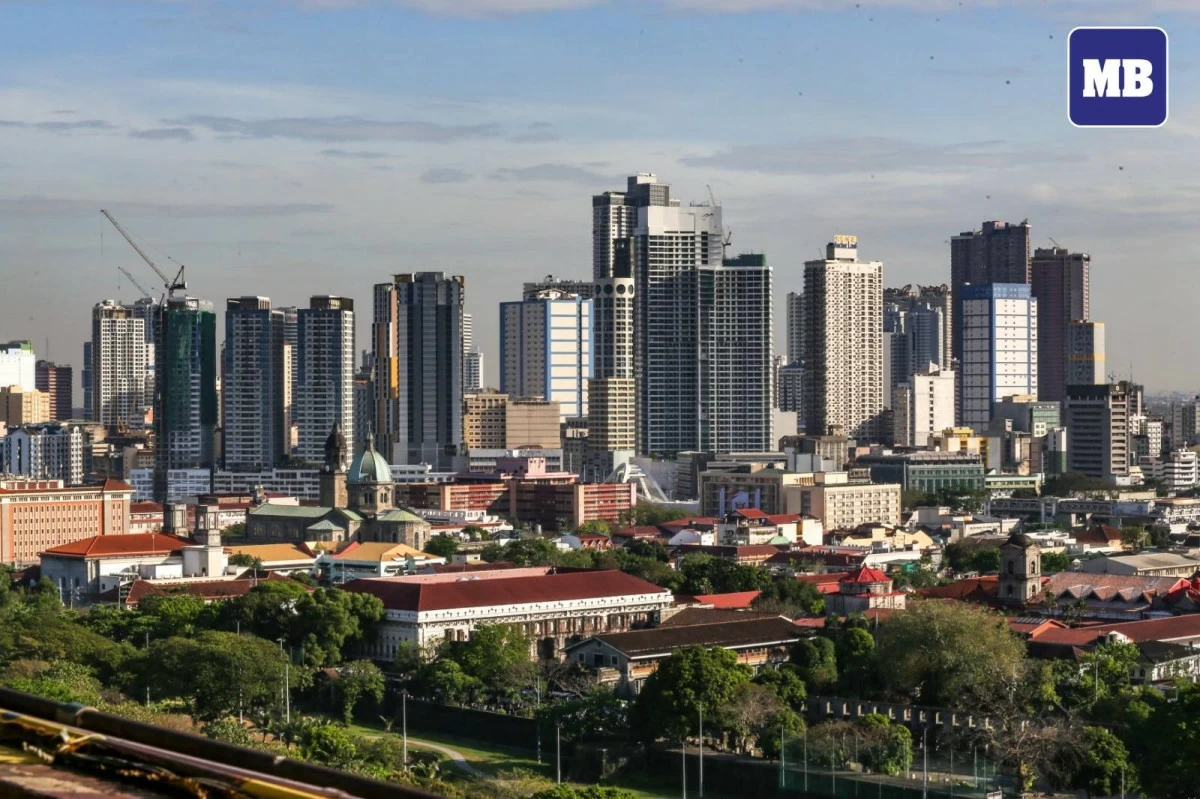
The Bangko Sentral ng Pilipinas (BSP) is poised to extend its tightening cycle as foreign lenders believe that the central bank will prioritize anchoring inflation expectations over mounting risks to economic growth.
Following the Monetary Board’s decision last week to raise the benchmark interest rate by 25 basis points to 4.5 percent—the first increase in two years—private sector economists are bracing for a more aggressive path to combat a deteriorating price outlook.
Dutch financial giant ING is among the most hawkish, having revised its outlook to include an additional 50 basis points (bps) of hikes within 2026.
Deepali Bhargava, ING regional head of research for Asia-Pacific, noted that the April hike “reinforces the BSP’s long-standing commitment to price stability, while downplaying the role of monetary policy in addressing near-term growth risks.”
BSP Governor Eli M. Remolona Jr. earlier said the policy-setting body actively discussed a larger 50 bps move during their latest review, signaling a low tolerance for inflation breaches.
“We now expect an additional 50 bps of hikes in 2026, assuming material de-escalation in the United States (US)-Iran conflict by the end of the second quarter of 2026,” Bhargava said.
Similarly, the research arm of Australia and New Zealand Banking Group Ltd. (ANZ) echoes this hawkish sentiment, forecasting two more quarter-point hikes to bring the policy rate to five percent by the third quarter of 2026.
ANZ tweaked its full-year inflation forecast upward, raising it from three percent to 6.2 percent for 2026.
ANZ analysts Kausani Basak and Sanjay Mathur pointed to the everyday price index (EPI)—which tracks frequently purchased essentials—rising faster than the headline CPI as a primary driver of shifting sentiment.
“Keeping inflation expectations anchored will be key for the BSP,” ANZ noted, especially as the country remains highly vulnerable as a net energy importer.
Singapore-based DBS Bank labeled the Philippines as “among the most vulnerable in the region to the prevailing oil price shock,” with economist Radhika Rao expecting this risk to prompt another hike as early as the next policy meeting in May.
Rao also cited continued pressure on the peso and the government’s declaration of an “energy emergency.” This move would place the BSP among a regional league of policymakers tightening preemptively to defend currencies and contain second-round effects.
Nomura’s Euben Paracuelles also noted that the tone remains hawkish, maintaining a forecast for a hike to 4.75 percent in the third quarter, while warning of an escalating risk that this move could be brought forward to June.
American banking giant Citi added a June hike to its base case, emphasizing the BSP’s preference for a gradual approach. Unlike the highly hawkish economists, Citi suggested that the BSP may stop at just one more quarter-point hike to avoid a “high cost to economic growth.”
Even with more hikes, Citi noted that real policy rates—adjusted for inflation—could remain negative for the rest of the year. This provides a level of accommodative support to a weak GDP.
With global crude prices remaining elevated and supply disruptions in the Strait of Hormuz persisting, banks agree that the Philippine monetary authorities are now in a front-loaded defensive mode to ensure price pressures do not become more entrenched.


Related Tags

interest rates Bangko Sentral ng Pilipinas (BSP) Citi DBS Bank Ltd. Australia and New Zealand Banking Group (ANZ) Nomura
ADVERTISEMENT
.most-popular .layout-ratio{ padding-bottom: 79.13%; } @media (min-width: 768px) and (max-width: 1024px) { .widget-title { font-size: 15px !important; } }

{{ articles_filter_1561_widget.title }}

.most-popular .layout-ratio{ padding-bottom: 79.13%; } @media (min-width: 768px) and (max-width: 1024px) { .widget-title { font-size: 15px !important; } }

{{ articles_filter_1562_widget.title }}

.most-popular .layout-ratio{ padding-bottom: 79.13%; } @media (min-width: 768px) and (max-width: 1024px) { .widget-title { font-size: 15px !important; } }

{{ articles_filter_1563_widget.title }}

{{ articles_filter_1564_widget.title }}

.mb-article-details { position: relative; } .mb-article-details .article-body-preview, .mb-article-details .article-body-summary{ font-size: 17px; line-height: 30px; font-family: "Libre Caslon Text", serif; color: #000; } .mb-article-details .article-body-preview iframe , .mb-article-details .article-body-summary iframe{ width: 100%; margin: auto; } .read-more-background { background: linear-gradient(180deg, color(display-p3 1.000 1.000 1.000 / 0) 13.75%, color(display-p3 1.000 1.000 1.000 / 0.8) 30.79%, color(display-p3 1.000 1.000 1.000) 72.5%); position: absolute; height: 200px; width: 100%; bottom: 0; display: flex; justify-content: center; align-items: center; padding: 0; } .read-more-background a{ color: #000; } .read-more-btn { padding: 17px 45px; font-family: Inter; font-weight: 700; font-size: 18px; line-height: 16px; text-align: center; vertical-align: middle; border: 1px solid black; background-color: white; } .hidden { display: none; }
function initializeAllSwipers() { // Get all hidden inputs with cms_article_id document.querySelectorAll('[id^="cms_article_id_"]').forEach(function (input) { const cmsArticleId = input.value; const articleSelector = '#article-' + cmsArticleId + ' .body_images'; const swiperElement = document.querySelector(articleSelector); if (swiperElement && !swiperElement.classList.contains('swiper-initialized')) { new Swiper(articleSelector, { loop: true, pagination: false, navigation: { nextEl: '#article-' + cmsArticleId + ' .swiper-button-next', prevEl: '#article-' + cmsArticleId + ' .swiper-button-prev', }, }); } }); } setTimeout(initializeAllSwipers, 3000); const intersectionObserver = new IntersectionObserver( (entries) => { entries.forEach((entry) => { if (entry.isIntersecting) { const newUrl = entry.target.getAttribute("data-url"); if (newUrl) { history.pushState(null, null, newUrl); let article = entry.target; // Extract metadata const author = article.querySelector('.author-section').textContent.replace('By', '').trim(); const section = article.querySelector('.section-info ').textContent.replace(' ', ' '); const title = article.querySelector('.article-title h1').textContent; // Parse URL for Chartbeat path format const parsedUrl = new URL(newUrl, window.location.origin); const cleanUrl = parsedUrl.host + parsedUrl.pathname; // Update Chartbeat configuration if (typeof window._sf_async_config !== 'undefined') { window._sf_async_config.path = cleanUrl; window._sf_async_config.sections = section; window._sf_async_config.authors = author; } // Track virtual page view with Chartbeat if (typeof pSUPERFLY !== 'undefined' && typeof pSUPERFLY.virtualPage === 'function') { try { pSUPERFLY.virtualPage({ path: cleanUrl, title: title, sections: section, authors: author }); } catch (error) { console.error('ping error', error); } } // Optional: Update document title if (title && title !== document.title) { document.title = title; } } } }); }, { threshold: 0.1 } ); function showArticleBody(button) { const article = button.closest("article"); const summary = article.querySelector(".article-body-summary"); const body = article.querySelector(".article-body-preview"); const readMoreSection = article.querySelector(".read-more-background"); // Hide summary and read-more section summary.style.display = "none"; readMoreSection.style.display = "none"; // Show the full article body body.classList.remove("hidden"); } document.addEventListener("DOMContentLoaded", () => { let loadCount = 0; // Track how many times articles are loaded const offset = [1, 2, 3, 4, 5, 6, 7, 8, 9, 10]; // Offset values const currentUrl = window.location.pathname.substring(1); let isLoading = false; // Prevent multiple calls if (!currentUrl) { console.log("Current URL is invalid."); return; } const sentinel = document.getElementById("load-more-sentinel"); if (!sentinel) { console.log("Sentinel element not found."); return; } function isSentinelVisible() { const rect = sentinel.getBoundingClientRect(); return ( rect.top < window.innerHeight && rect.bottom >= 0 ); } function onScroll() { if (isLoading) return; if (isSentinelVisible()) { if (loadCount >= offset.length) { console.log("Maximum load attempts reached."); window.removeEventListener("scroll", onScroll); return; } isLoading = true; const currentOffset = offset[loadCount]; window.loadMoreItems().then(() => { let article = document.querySelector('#widget_1690 > div:nth-last-of-type(2) article'); intersectionObserver.observe(article) loadCount++; }).catch(error => { console.error("Error loading more items:", error); }).finally(() => { isLoading = false; }); } } window.addEventListener("scroll", onScroll); });

Sign up by email to receive news.