







Is your diet not working?
Your guide to adapting a healthy eating pattern
By Cheshire Que
Published Apr 27, 2026 10:18 pm


At A Glance
- Anyone who undergoes a diet plan will generally lose weight initially from the decreased amount of calorie intake.
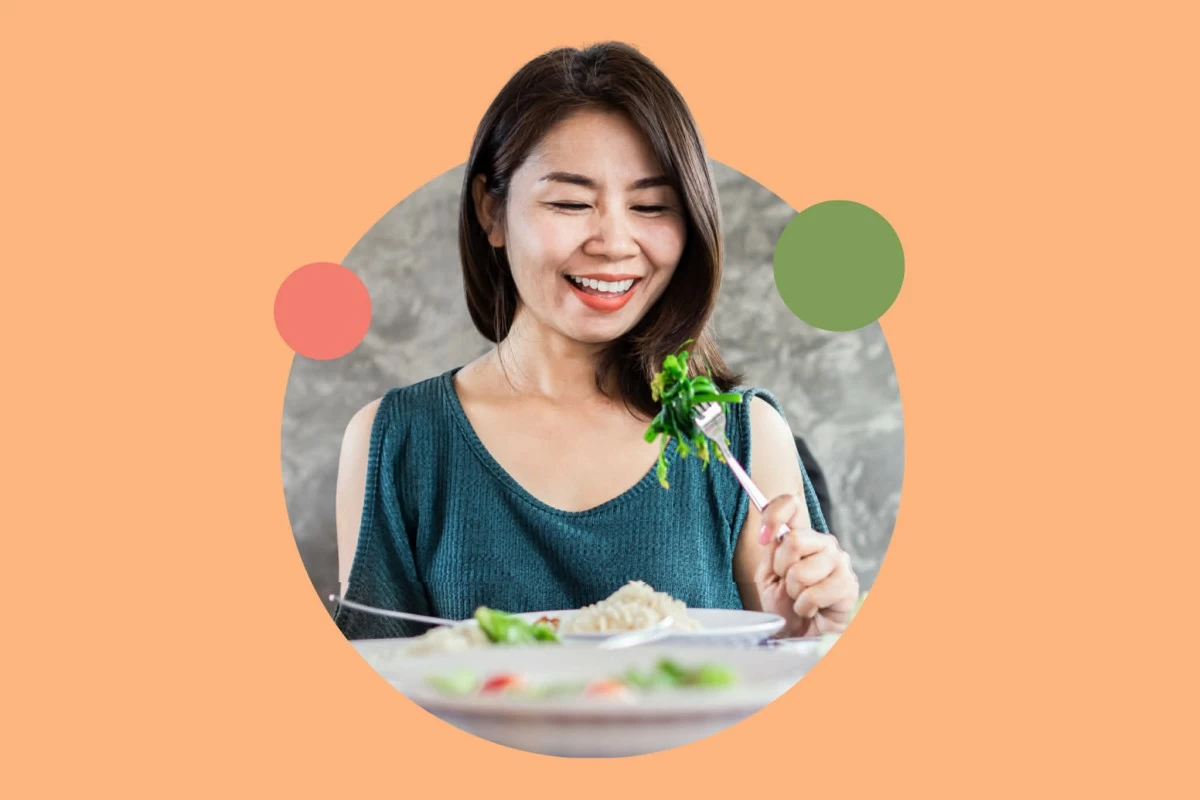
Dieting has always been a trend. It just evolves according to what is the most popular for a period of time until a new one comes out. Why do people go on a diet? Primarily, to lose weight, while others need to undergo diet restrictions due to a diagnosed medical condition. Have you undergone a diet, successfully lost weight, but failed to sustain the weight loss? What went wrong?
Anyone who undergoes a diet plan will generally lose weight initially from the decreased amount of calorie intake. There are, however, individuals who have lost weight yet have developed medical conditions like kidney stones, high uric acid, elevated cholesterol and triglycerides, and more. Why is that so? Isn’t losing weight supposed to prevent these blood chemistry results from increasing?
Let us look at three popular types of diet that have health benefits, but when done the wrong way, could be detrimental to one’s health, despite the weight loss.
Intermittent fasting
There are various types of intermittent fasting. Time-restricted feeding has a fasting window that can go between 12 and 24 hours. It can also be an alternate-day fasting or 5:2, where two days in a week have very low-calorie intake or none. The remaining five days are a regular diet. The most restrictive type of intermittent fasting is one meal a day (OMAD).
Intermittent fasting is healthy only if done in alignment with a person’s circadian rhythm or body clock. Our body was created to optimally release hormones at specific times of the day. Our gut microbiome, or that healthy ecosystem of beneficial microorganisms in the intestines involved in digestion and metabolism, is greatly impacted by the circadian rhythm and meal timing.
Going on intermittent fasting throughout the day and consuming your calories at night will increase your risk of elevated LDL-cholesterol, the bad type of cholesterol. Furthermore, skipping breakfast or brunch before noon increases the body’s inflammatory response due to the release of insulin and cortisol in the blood. Excess insulin that has not been utilized during the fasting state stimulates the body to store up more fat in the abdominal area. Cortisol, a stress hormone, also stimulates the body to increase fat storage in the belly area. The abdominal or visceral fat is associated with increased cholesterol, triglycerides, and blood glucose levels.
The gallbladder, liver, and other organs repair at night when we are supposed to be sleeping. Eating late at night will burden the organs, thus increasing the risk of developing insulin resistance that could lead to diabetes, heart disease, and non-alcoholic fatty liver disease. Eating at night will also affect the quality of sleep. The sleep hormone melatonin, which should be released at night, is blocked by insulin. Insulin is produced by the beta cells in the pancreas as a response to food intake, specifically from carbohydrates and some amino acids from protein sources.
If you choose to eat just one meal a day, it is best to have it in the morning or before noon. If you want to do intermittent fasting between 12 and 24 hours, the window period for eating must be during daytime and not beyond 8 p.m. or 9 p.m. to prevent disrupting hormone balance and gut microbiome diversity.
Low-carb diet and high-fat diet
A low-carbohydrate diet consists of 50 to 150g of carbohydrates a day. The ketogenic diet is considered a very low-carb diet with only 50g or fewer carbohydrates per day. Weight loss is not a question with these diets, as you can truly lose those excess pounds and even more. Very low carbohydrate intake, however, can harm thyroid health. The thyroid gland may be small, but it plays a role in various bodily functions, including immunity and metabolism, which impact weight management. Restricting carbohydrates will prevent the efficient conversion of thyroid hormones into their active form, leading to an underactive thyroid, weight gain, and other metabolic disorders. High-fat diets can also lead to high uric acid, kidney stone formation, and bone disorders.
Instead of going on low-carbohydrate and high-fat diets, choose the carb sources with the highest amounts of fiber, like vegetables, fruits, and whole grains like oats, colored rice, adlai, and quinoa. A ketogenic diet can be beneficial for epilepsy treatment and for medical conditions that would require ketosis. The source of fat, however, must be healthy. Do not load up on heart-clogging fat sources like bulalo or bone marrow and the like. Going on a medical ketosis state does not give a person license to eat chicharon and lechon all day, every day. Studies have shown that there is an initial drop in blood lipids (cholesterol, triglycerides) and blood glucose at the start of a low-carb, high-fat diet. Research, however, has also shown that after six months or more, plaques begin to form in the arteries. Left unmanaged, this will eventually cause atherosclerosis or worse, a heart attack or stroke.
Plant-based diet
Based on research, a 100 percent plant-based diet and a plant-predominant way of eating are the best diets for disease reversal and overall health if done the right way. Unfortunately, many are misguided. If you don’t eat meat and other animal products like dairy and cheese but eat highly processed plant food sources, then you are still eating unhealthily. Think of having French fries or potato chips instead of boiled or baked potatoes. All of them are plant food, but the processing and cooking play a role in ensuring that the food we consume is still nutrient-rich. Ultra-processed food that are packaged have undergone several cooking and processing and are stripped of fiber, vitamins, minerals, and important phytochemicals, or plant nutrients. Moreover, ultra-processed food has additives to increase shelf life and flavor.
If you adopt a predominantly plant-based way of eating, food must come from wholesome, minimally processed plant food sources. Have colored rice instead of white rice. Have freshly cooked vegetables, including legumes for a protein source. Eat fresh fruit or have fruit and vegetable smoothies for a snack instead of eating potato chips or other pastries.
When it comes to dieting, it is important to personalize it according to your nutritional requirements, lifestyle, and preferences. Consult a registered nutritionist or dietitian and beware of quack nutritionists.