







DOE sees stable power through peak summer
Published Apr 27, 2026 03:36 pm


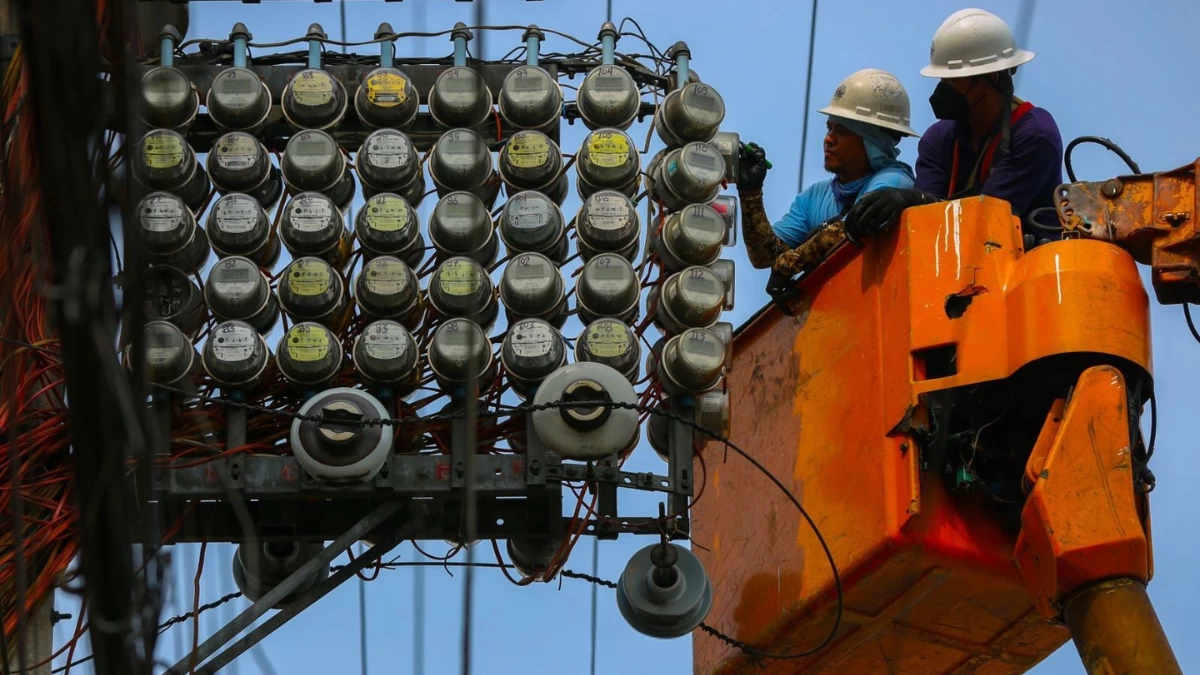
The Department of Energy (DOE) expects a stable power supply through May even as the Luzon grid recently teetered on the edge of a shortage, provided the nation’s aging thermal power plants remain operational during the peak of the dry season.
Energy Undersecretary Rowena Guevara said on Monday, April 27, that further yellow alerts—signaling thin power reserves—are unlikely for the Luzon and Visayas grids if no unexpected outages occur.
While the power system has faced strain from record-high temperatures, Guevara noted that the current dependable capacity should be sufficient to meet demand under normal operating conditions. She noted that the DOE is also moving to accelerate the integration of renewable energy through the Green Energy Auction program to mitigate the risk of supply gaps.
The agency is preparing for its seventh round of energy auctions this year, which will focus specifically on solar projects in Mindanao.
Guevara, however, warned that failing to bolster capacity in the southern region and the Visayas could lead to more significant supply deficits by next year.
The government is pushing for these capacity additions as part of a broader strategy to transition away from a heavy reliance on older, fossil fuel-based plants that are prone to mechanical failure in extreme heat.
Manila Electric Co. (Meralco), the country’s largest power distributor, also signaled that it has secured enough supply to cover the seasonal surge in consumption.
Although consumers typically see higher bills during the summer months as air conditioning use spikes, Roderick Dennison Nacum, Meralco head of tariff management, said a court-mandated refund would help offset those costs.
The Energy Regulatory Commission recently ordered Meralco to return ₱14 billion to customers over a 12-month period, a move that will translate to a credit of ₱0.2511 per kilowatt-hour starting in May.
Joe Zaldarriaga, Meralco spokesperson, meanwhile, clarified that while consumers may see various line items on their statements, including the Senior Citizen subsidy, the Lifeline Rate, and the Feed-in-Tariff Allowance, the utility acts only as a collection agent for the government. These charges are mandated by law and remitted to the appropriate state agencies.
Despite the intense heat, Meralco reported that power demand within its franchise area has trended lower during the first four months of the year compared to the same period in 2025. This cooling demand has influenced the company’s procurement strategy.
Lawrence Fernandez, Meralco’head of utility economics, said the company is not currently seeking an interim extension for its 1,000-megawatt contract with the First Gas Sta. Rita power plant, which is set to expire in June.
The utility continues to evaluate whether the existing supply-demand balance necessitates a renewal of that capacity.