







More Filipinos buy motorcycles to beat high fuel prices
Published Apr 23, 2026 06:28 am


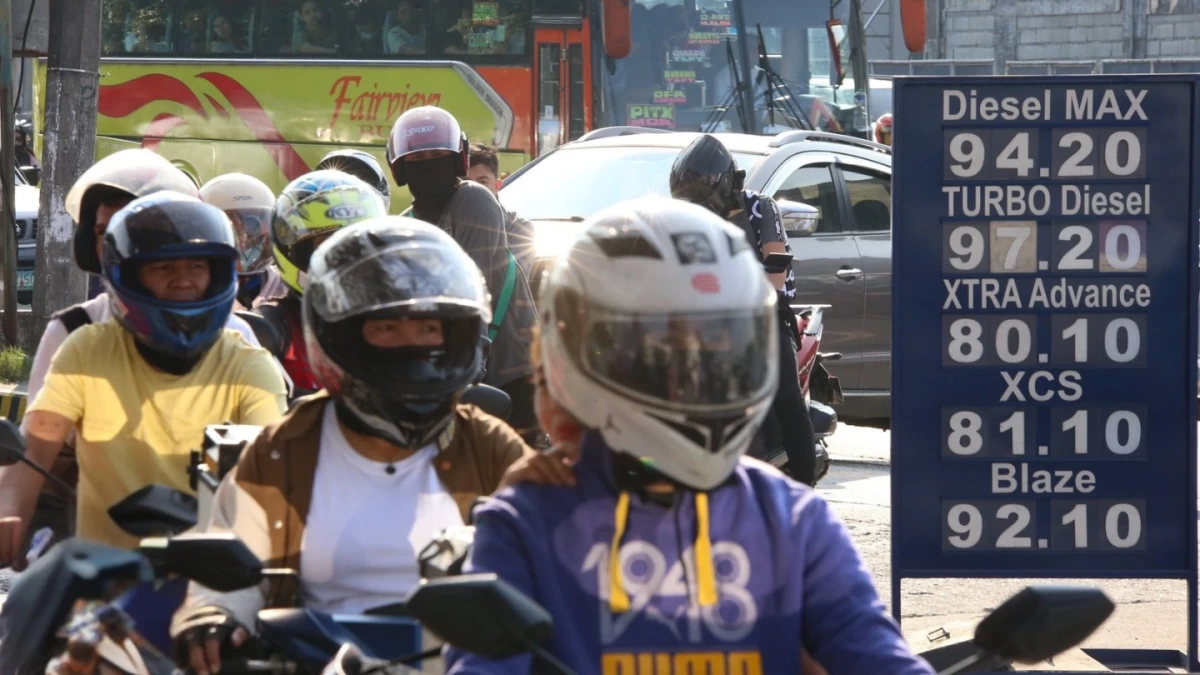
(Photo by Santi San Juan I MB)
Philippine motorcycle sales maintained an upward trajectory in the first quarter, rising 11 percent as expensive petroleum prices and high borrowing costs pushed consumers toward more economical transport alternatives.
Data from the Federation of Asian Motorcycle Industries (FAMI) showed that the domestic industry sold 496,868 units from January to March, up from 447,765 units in the same period a year earlier.
The figures are based on data compiled by the Motorcycle Development Program Participants Association Inc. (MDPPA), a group representing the nation’s largest manufacturers.
Philippine Institute for Development Studies (PIDS) senior research fellow John Paolo Rivera said the continued growth in motorcycle sales reflects ongoing cost considerations and shifting consumer preferences, driven by the impact of the Middle East conflict on oil prices.
“Motorcycles are more affordable, fuel efficient, and easier to finance than cars, making them more attractive in an environment of high fuel prices and elevated borrowing costs,” he said in a Viber message.
The first-quarter performance of the local motorcycle industry runs in contrast to that of the domestic automotive industry, whose sales dropped by 10 percent in the three-month period.
Rizal Commercial Banking Corp. (RCBC) chief economist Michael Ricafort said the decline in the country’s automotive sales largely benefited the motorcycle industry as more consumers shifted to lower-cost alternatives.
“As higher prices of fuel and other affected products decrease disposable incomes and increase the costs of consumers, businesses, and other institutions, thereby leading to cost-cutting measures including on big-ticket items such as vehicles,” he said.
While higher fuel prices are a headwind for growth, Rivera said motorcycles will remain attractive because they help meet both mobility and livelihood needs.
Motorcycles, which can easily maneuver through heavy traffic, are the go-to mode of transport for Filipinos looking to travel seamlessly, as well as for those in delivery and ride-hailing services.
Rivera said sales of two-wheeled vehicles are likely to remain relatively strong throughout the rest of the year, although growth may moderate if cost pressures persist.
FAMI data also showed that MDPPA members produced 378,280 motorcycles in the first quarter, nearly five percent higher than the 360,478 units in the same period last year.
MDPPA comprises the local subsidiaries of Japanese motorcycle brands Honda, Kawasaki, Suzuki, and Yamaha, as well as Indian brand TVS Motor Co.
The disparity between local output and total sales in the first quarter indicates that imports from non-MDPPA brands accounted for the shortfall.
Among FAMI’s member associations, the Philippines ranked third in terms of sales volume, trailing Vietnam, which recorded 729,121 motorcycle sales.
Indonesia was the largest motorcycle market in the regional group, with sales reaching 1.61 million by the end of March.