






Manila Bulletin
 Philippines
National
From farms to ferries: DOST's move to expand solar power use beyond irrigation
Philippines
National
From farms to ferries: DOST's move to expand solar power use beyond irrigation
Philippines
National
From farms to ferries: DOST's move to expand solar power use beyond irrigation
From farms to ferries: DOST's move to expand solar power use beyond irrigation
By Dhel Nazario
Published Apr 21, 2026 10:12 am


Expanding beyond agriculture, the Department of Science and Technology (DOST) is rolling out solar energy applications in transport and other sectors to reduce reliance on imported fuel.
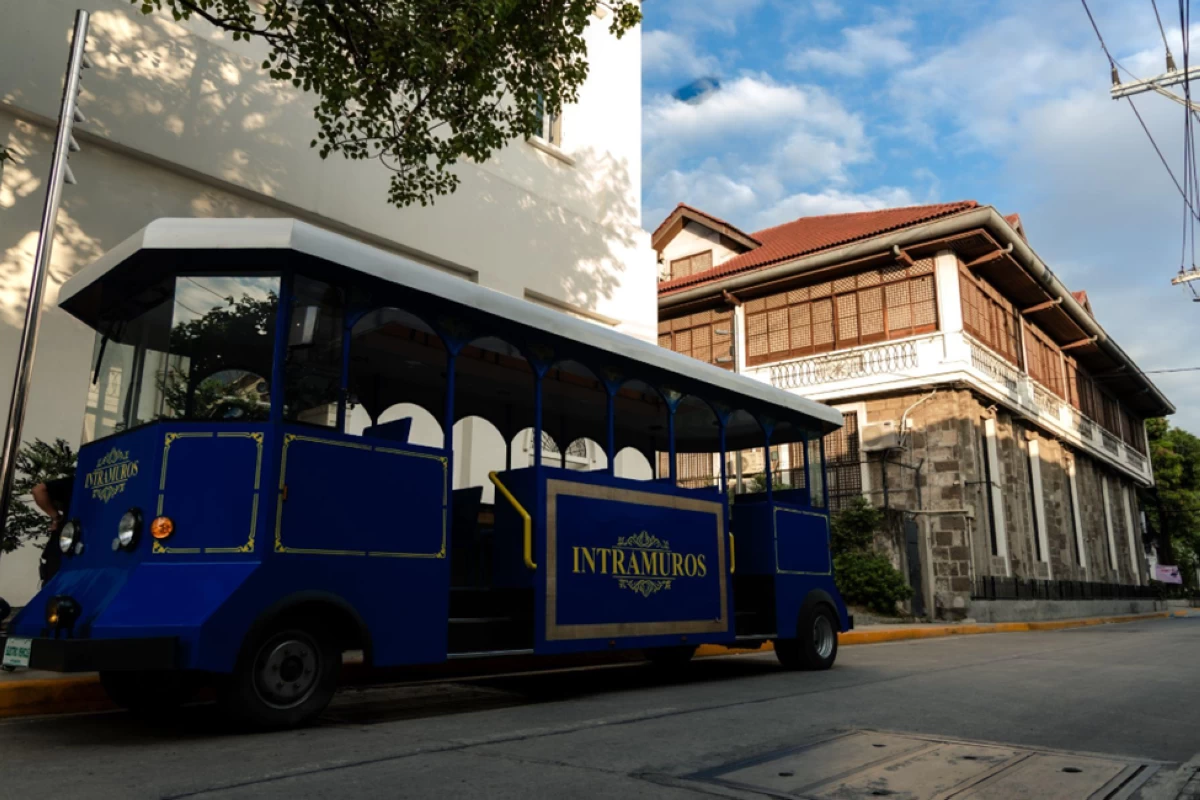
The first-ever Filipino-engineered all-electric tourist transport vehicle, e-tranvia unveiled last month by the Department of Science and Technology (DOST) and Intramuros Administration (IA). (Photo from DOST-STII)
In an interview, DOST Secretary Renato Solidum Jr. said the agency is pursuing multiple programs that integrate solar energy into transportation systems, charging infrastructure, and agricultural technologies as part of efforts toward energy independence.
Among these initiatives is the development of solar-powered charging systems for electric vehicles, which aim to reduce reliance on grid electricity and fossil fuels. Solidum said solar energy can be used to directly charge electric vehicle batteries, making the transition to electric mobility more practical for transport operators.
“Ang solar energy ay isa sa ating talagang pangunahing supply of energy na libre (Solar energy is truly one of our primary sources of energy that is free),” Solidum said, noting that solar-powered systems can help lower operating costs for users of electric vehicles.
The agency is also working with Cagayan State University and the University of the Philippines Diliman in developing electric mobility technologies, including electric tricycles and charging systems that can be deployed in local communities.
According to Solidum, the initiative extends beyond tricycles, with ongoing efforts to develop electric jeepneys, electric buses, and even electric ferries. He cited the deployment of an electric ferry operating in the Pasig River under the Metropolitan Manila Development Authority (MMDA), as well as an electric tranvia introduced in Intramuros, which is now set for expansion.
Solidum said these programs are supported by research and development centers and partnerships with academic institutions to accelerate the shift toward cleaner transport systems.
The DOST is also implementing mapping projects to identify areas with high solar potential, allowing local governments to optimize solar energy use based on sunlight availability.
Aside from transport, solar energy is being integrated into agriculture and aquaculture systems, including sensors that monitor water levels, oxygen content, and fertilizer conditions, as well as solar-powered aerators for fish and shrimp farming.
Solidum said these initiatives form part of a broader effort to modernize systems using renewable energy, while supporting both environmental sustainability and economic efficiency.