







Failed US-Iran talks 'not good news' for oil prices—Palace


Malacañang said the reported breakdown of talks between the United States and Iran is “not good news,” warning that escalating tensions in the Middle East could further drive up global oil prices.
In a press briefing, Presidential Communications Office (PCO) Undersecretary Claire Castro said the Philippines joins the rest of the world in hoping for a peaceful resolution to the conflict.
“Hindi siya magandang balita. Ang nais po natin… ay magkaroon na po ng permanenteng pagtigil ang sigalot (It is not good news. What we want… is a permanent end to the conflict),” she said on Monday, April 13.
Castro said continued hostilities in the region will inevitably affect petroleum prices.
“Kung magpapatuloy pa po ito, makakaapekto pa rin po ito sa produktong petrolyo (If this continues, it will still affect petroleum products),” she said.
She noted that the Philippines remains highly vulnerable to global oil shocks due to its dependence on imports.
Escalation after failed talks
Tensions have intensified following the collapse of US-Iran negotiations aimed at easing conflict in the region.
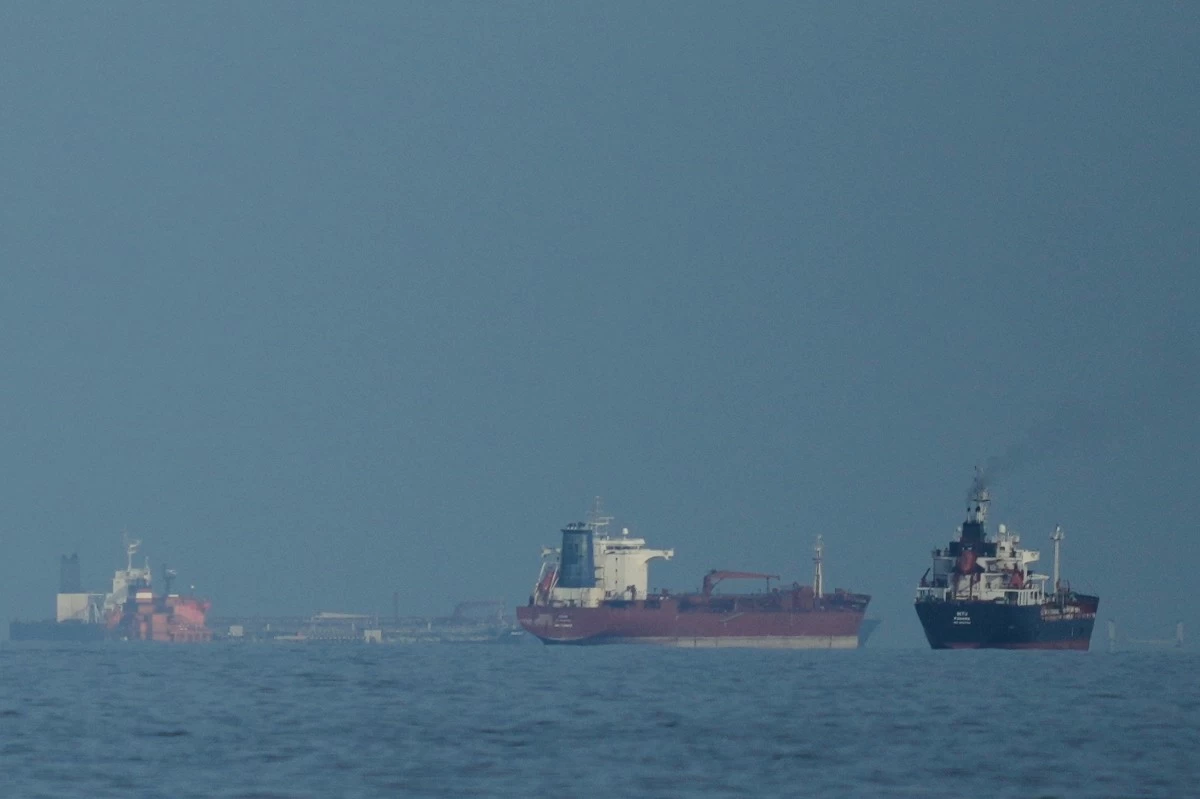
In the wake of the failed talks, US President Donald Trump announced a blockade posture in the Strait of Hormuz, a critical chokepoint for global oil shipments.
The development has raised fears of supply disruptions and further price volatility in the international market.
The Strait of Hormuz handles a significant portion of the world’s oil supply, making it a key artery for energy trade.
No immediate disruption
Despite the developments, Castro said there is no immediate supply disruption affecting the country, especially after Iran characterized the Philippines as a non-hostile country.
She, however, cautioned that the situation remains fluid and could worsen if tensions persist.
“Hindi natin masasabing walang magiging epekto po ‘yang patuloy na sigalot (We cannot say the continuing conflict will have no impact),” she said.
The government has been closely monitoring developments in the Middle East and their potential impact on the domestic economy.