






 Business
The Economy
War-driven price surge saps peso spending power to new record low in March
Business
The Economy
War-driven price surge saps peso spending power to new record low in March
War-driven price surge saps peso spending power to new record low in March


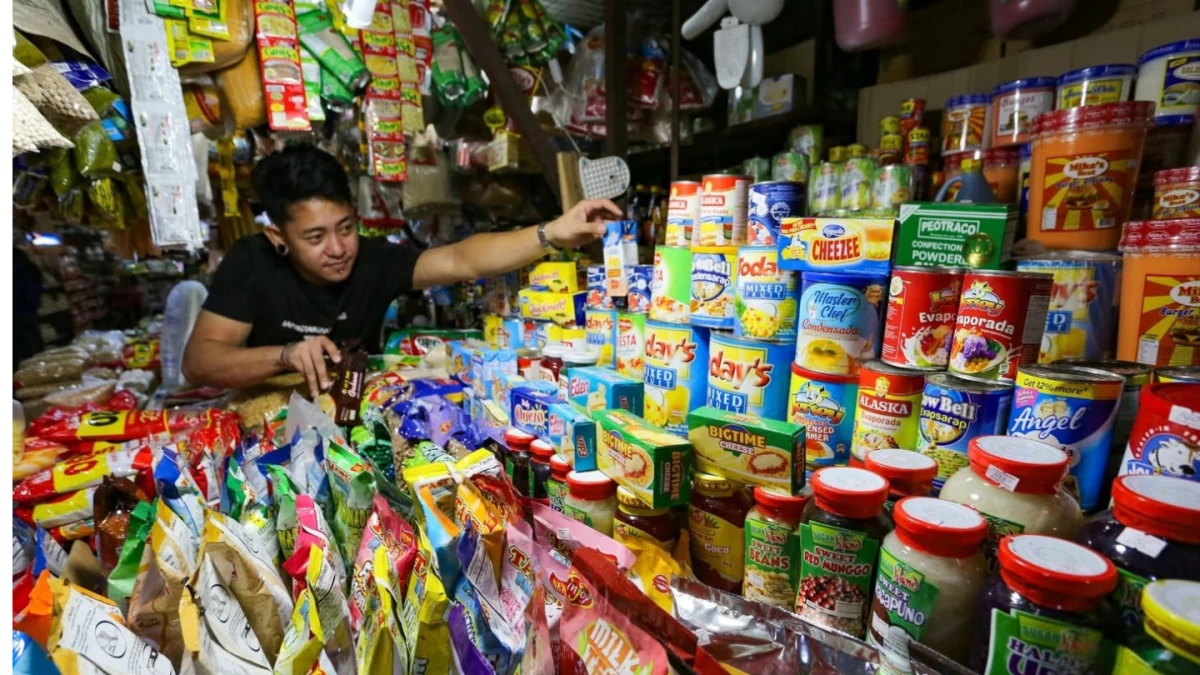
The peso’s purchasing power hit another record low in March as the price shock wrought by the war in the Middle East further eroded Filipinos’ ability to spend the local currency.
The latest data from the Philippine Statistics Authority (PSA), released on Tuesday, April 7, showed that the purchasing power of the peso stood at 0.75 last month—the lowest on record, based on 2018 prices.
National Statistician and PSA chief Claire Dennis S. Mapa told a press briefing that the headline inflation rate—which soared to a 20-month high of 4.1 percent in March—is inversely related to the peso’s purchasing power.
First introduced in mid-2022 as part of the PSA’s monthly consumer price index (CPI) reports, the purchasing power of the peso reflects how the local currency’s value has eroded since the CPI was rebased to 2018.
Mapa said the PSA’s first-quarter gross domestic product (GDP) report, which will be released in May, would show the impact of skyrocketing oil prices on final household consumption.
Economists have warned that the war-driven oil price spike is causing a dual inflationary shock, where a lack of supply and ensuing price hikes also limit demand as consumers hold back from purchases or reduce their consumption.
Mapa told Manila Bulletin last month that over 36 percent of the CPI basket is directly or indirectly vulnerable to rising oil prices. Energy items such as transport fuels, electricity, liquefied petroleum gas (LPG), and kerosene—accounting for 8.23 percent of the CPI—are most directly affected, while agricultural products, meals outside the home, and road passenger transport, which together make up about 28 percent of the CPI, may face secondary impacts from higher transport and raw material costs.