






Manila Bulletin
 Environment and Sustainability
Lessons in mindful gastronomy from the Aussie lamb food crawl
Environment and Sustainability
Lessons in mindful gastronomy from the Aussie lamb food crawl
Environment and Sustainability
Lessons in mindful gastronomy from the Aussie lamb food crawl
Lessons in mindful gastronomy from the Aussie lamb food crawl
Published Apr 7, 2026 05:45 am


I’ve followed this story before.
Years ago, I supported the Australian grass-fed beef campaign, drawn not just by the product itself, but by the larger conversations around provenance, land stewardship, and responsible production. So when Meat & Livestock Australia brought its Australian lamb campaign to Tagaytay for a week-long showcase, it felt less like a new introduction and more like a continuation.
I joined on the fourth and fifth days of the restaurant crawl. I did not complete the entire lineup across Tagaytay, but what I experienced was enough to understand the direction. This was not simply about putting lamb on plates. It was about placing sustainability at the centre of the story.
The Philippine dining scene has evolved. It is no longer just about whether a dish tastes good. People now ask where it came from, how it was raised, and what systems stand behind it. Flavor still matters, but so does footprint. Perhaps that is why the message resonates differently this time.
My work intersects daily with sustainability, particularly in water systems, irrigation infrastructure, and the engineering behind responsible land management. Flow meters, calibrated distribution systems, and flood mitigation are not abstract environmental concepts. They are measurable tools that determine how efficiently water reaches fields and paddocks, how resources are conserved, and how resilience is built into landscapes increasingly affected by climate variability.
So when Meat & Livestock Australia was presented not merely as premium produce but as part of a supply chain shaped by environmental accountability, it merited closer attention.
The Tagaytay stops included Taza at Taal Vista Hotel, Butcher’s Steak and Grill, Gorio’s, Farmer’s Table, Textures by Tamayo’s, Asador Dos Mestizos, and Samira by Anya Resort Tagaytay— each offering a different interpretation of lamb within a fine dining setting.
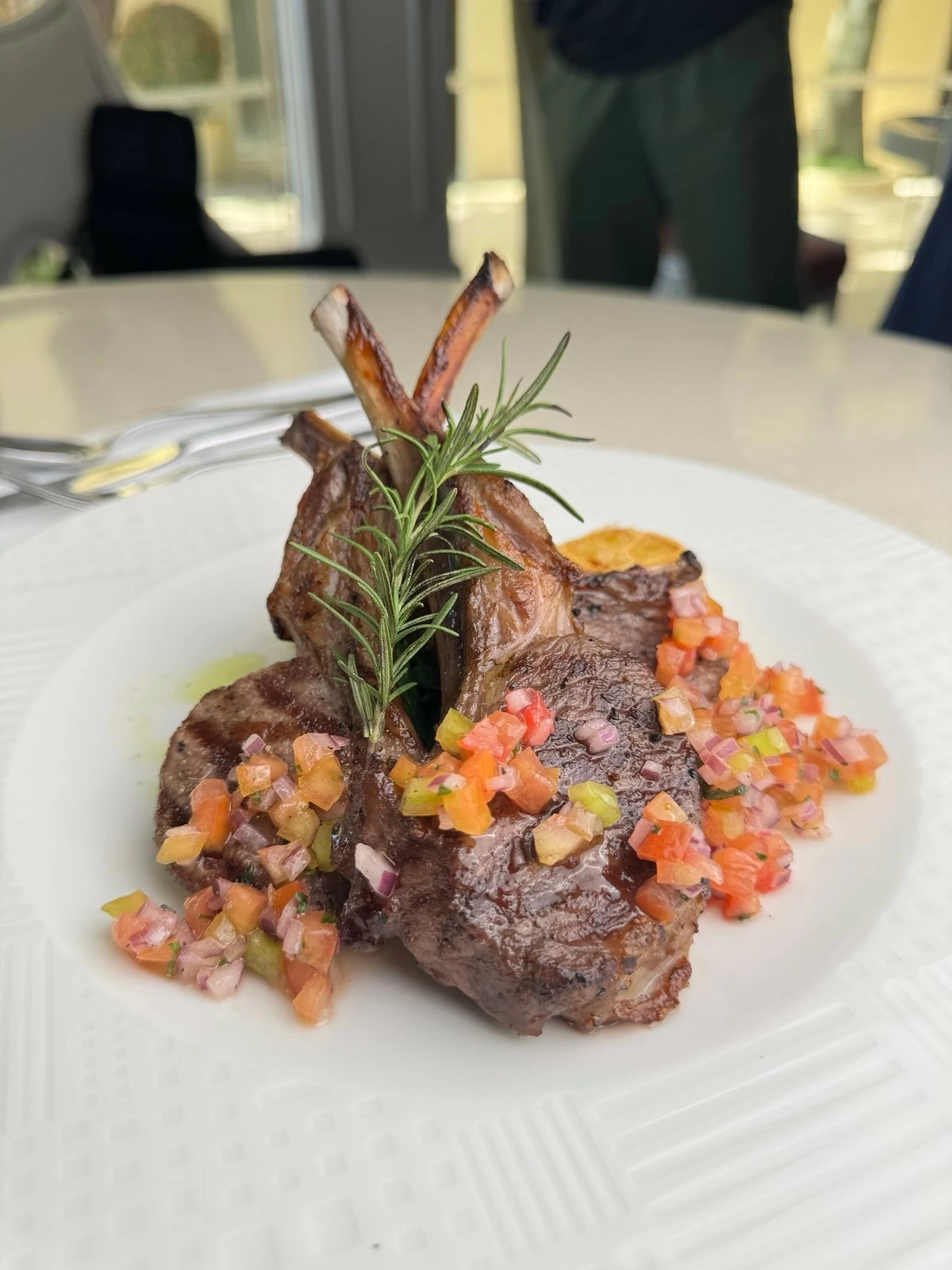
Taza Fresh Table’s take on Aussie lamb: simply grilled, lightly seasoned, and left to let its natural flavors shine.
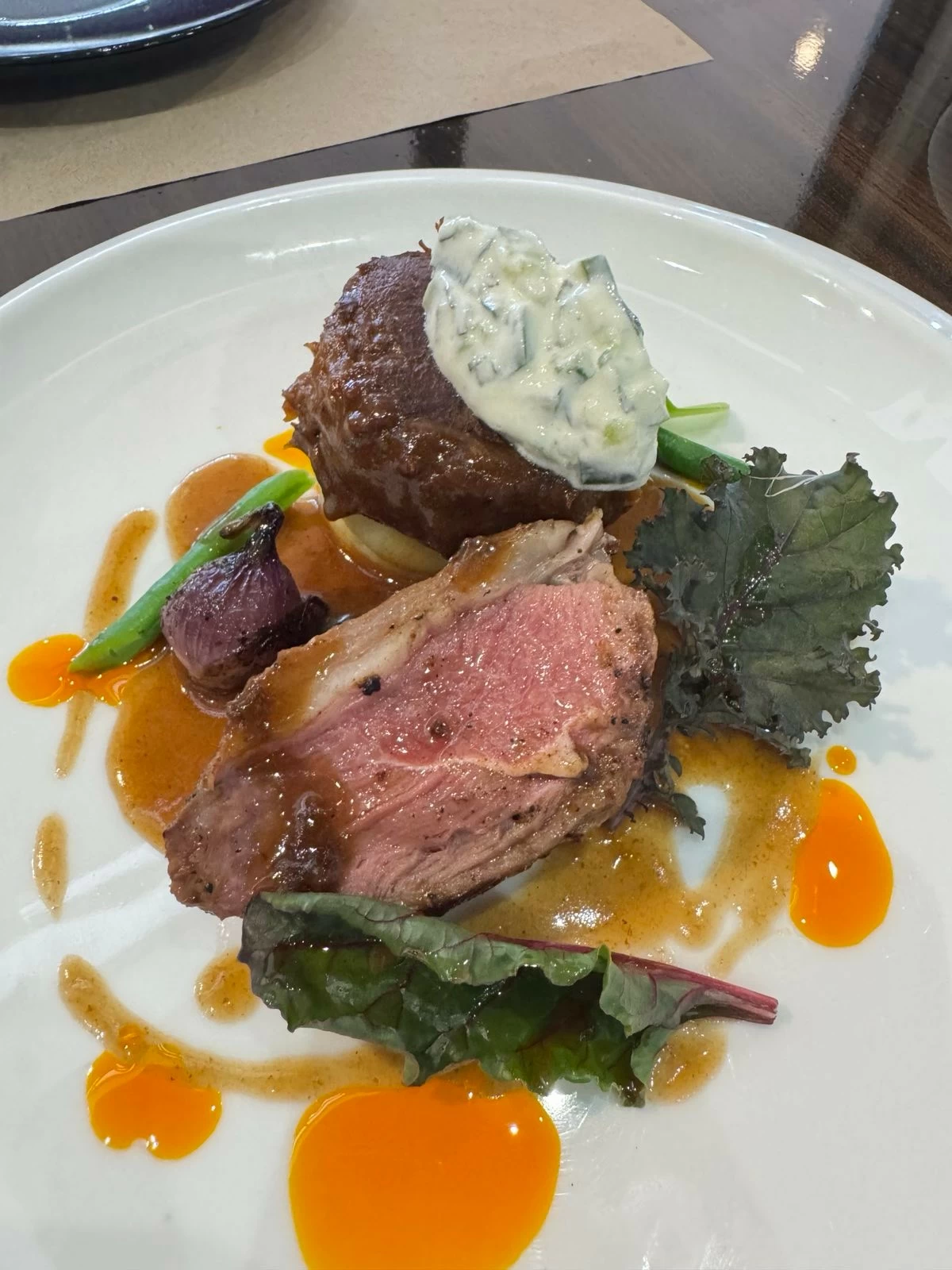
Buther's Steak and Grill
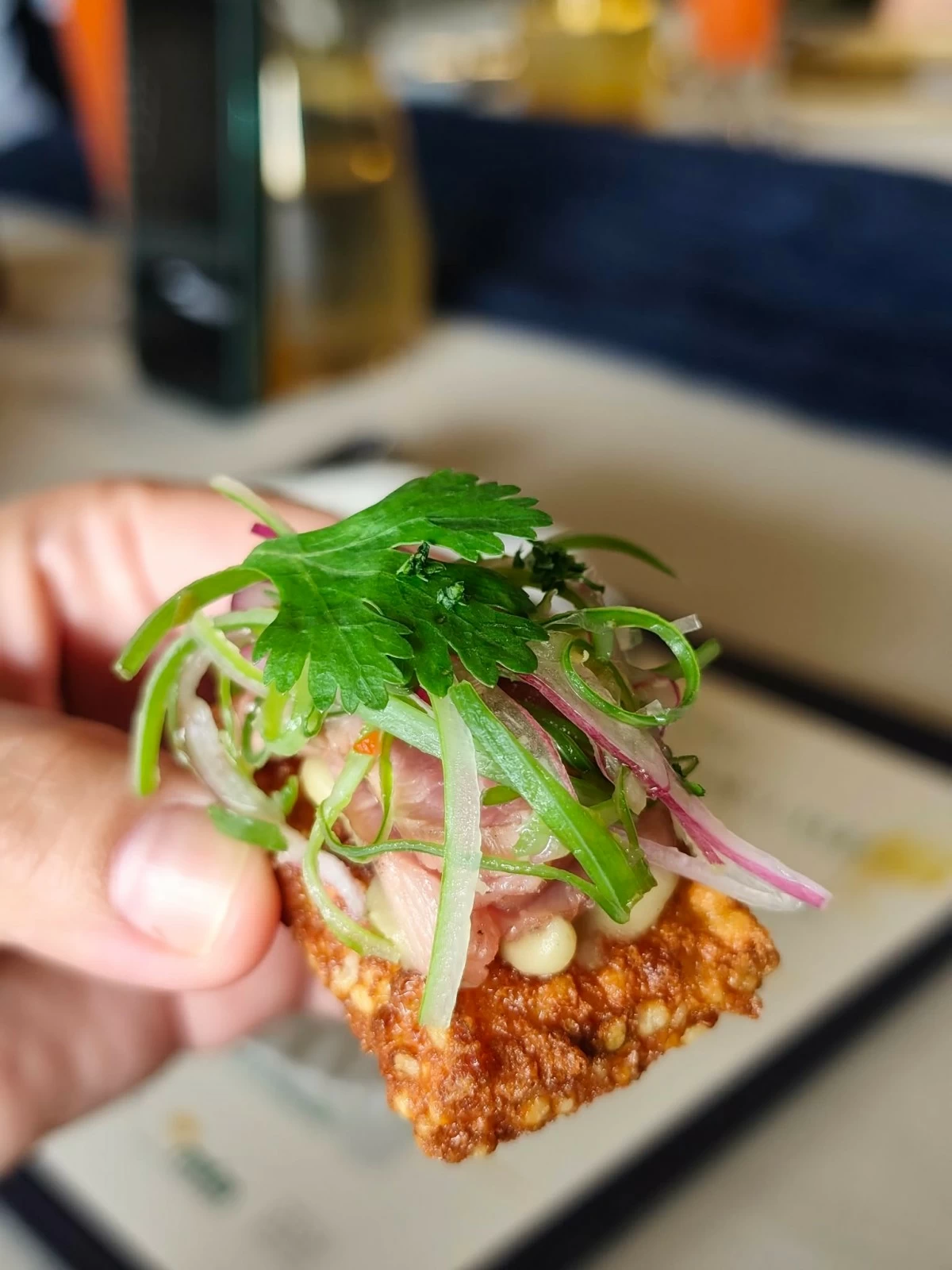
Samira at Anya Resort Tagaytay presents its take on lamb: Aussie Lamb Eye—bright, balanced, and carefully executed. The citrus cuts through, while the tapioca adds subtle texture, allowing the lamb to stand out.
Across kitchens, the ingredient was treated with restraint and respect. One dish in particular stood out: lamb, simply seasoned with salt, pepper, and olive oil. No elaborate embellishment—just clarity of flavor. In some ways, sustainability reflects the same philosophy: less excess, more intention.
Yet the story begins far from the dining table.
Much of the lamb exported to this region comes from Western Australia, strategically positioned to serve Asian markets efficiently, although production spans the country’s extensive grazing regions. On these lands, producers are increasingly adopting regenerative grazing practices aimed at improving soil health, encouraging biodiversity, and maintaining pasture productivity over the long term.
The Australian red meat industry has publicly committed to achieving carbon neutrality by 2030, a significant undertaking for a sector often scrutinized for methane emissions. Research on emissions reduction, land management improvements, and lifecycle assessments forms part of that roadmap. The conversation remains complex, but efforts toward measurable targets continue.
What stood out most, however, was something precise and quietly significant: traceability. Australian lamb can be traced back to the paddock where it was raised.
Not just the farm. The paddock.
If a concern arises, whether related to quality, compliance, or freshness, the supply chain allows it to be tracked to its exact point of origin. In an era where transparency defines trust, that level of detail reflects infrastructure, not just branding.
In engineering, it is often said that what cannot be measured cannot be managed. Sustainability without data remains an aspiration. Sustainability with traceability becomes operational.
From farm to export, cold chain logistics preserve quality while documentation reinforces accountability. By the time the lamb reaches a Tagaytay kitchen, its journey has already been mapped. Sustainability does not end at importation.
Another highlight: participating chefs took a hands-on approach, working with the lamb, mastering the cuts, and embracing ingenuity and discipline, demonstrating that responsible dining can also be inventive.
In the hands of chefs, whole-animal utilization reduces waste and honors the ingredient. Lesser-known cuts are elevated. Precision replaces excess. Luxury is reframed as responsibility.
Even without completing the full week-long crawl, the message across the restaurants visited was consistent: premium and accountability are no longer mutually exclusive.
From paddock to plate, yes; but also beyond the plate, into soil systems, water management, logistics, emissions targets, and consumer awareness.
For diners, the experience may begin with aroma and texture. Increasingly, it continues with quieter questions: Where was this raised? How was it managed? What systems ensured its journey was responsible?
Sustainability is not a garnish. It is groundwork.
And sometimes, it arrives at the table simply as dinner, carrying a story that began thousands of kilometres away, in a paddock carefully measured, monitored, and managed.