






Manila Bulletin
 Environment and Sustainability
From clean water to solar power, Australia offers lessons in sustainable living
Environment and Sustainability
From clean water to solar power, Australia offers lessons in sustainable living
Environment and Sustainability
From clean water to solar power, Australia offers lessons in sustainable living
From clean water to solar power, Australia offers lessons in sustainable living
Published Dec 22, 2025 08:13 pm


I’ve always loved traveling — the airports, the early flights, the quiet rituals that come with moving from one place to another. Over time, however, that love has become more intentional. Becoming more environmentally conscious meant thinking not only about where I was going, but also how I was getting there, and what those choices meant for the world I care about.
Travel is not always cheap, but Filipinos always find ways to make it possible. We find ways to move, reconnect with family, work and pursue opportunities, especially as an island nation where air travel is often a necessity rather than a luxury. More recently, there has been a growing effort to do all this more responsibly, with greater awareness of the environmental impact of everyday decisions.
Cebu Pacific has long been known as one of the local airlines exploring sustainability beyond surface-level commitments. Years ago, there were even conversations about integrating some Refill N Beyond products for their media kits and onboard items— small initiatives, perhaps, but ones that suggested a willingness to encourage better habits among travelers and the press. Flying with the airline felt aligned with the intention of this trip — mindful, purposeful and with a heightened awareness of the choices behind every journey.
Lesson 1: A home isn’t sustainable unless it’s healthy.
This was my second visit to Australia, the first having been 12 years ago. What stood out was how sustainability efforts there have not only endured but evolved—becoming more systematic and effective.
One thing that struck me is how homes are treated as long-term environments, not temporary shelters. In some areas, routine inspections focused on mold, ventilation and overall livability are simply part of the system. Whether one owns or rents, the expectation is the same: a safe and healthy home is a basic right, not an upgrade.
The contrast made me reflect on the Philippines, where families often shoulder the responsibility of keeping homes safe and resilient on their own. Imagine a future in which government-backed housing standards are consistently enforced across communities. This could lead to healthier living conditions and a stronger culture of care. With proper management and support, those benefits could extend beyond those who can afford them, reaching middle-income families and even those below the poverty line. The challenge is not about the lack of resources, but how wisely they are used.
Lesson 2: Clean water is a sustainability privilege — and one that should be universal.
In many developed cities, tap water is clean enough to drink straight from the faucet. No filters, no boiling—just reliable access. In much of Australia, water is treated and monitored under strict national standards called the Australian Drinking Water Guidelines, making it safe to drink directly from household taps in many urban areas.
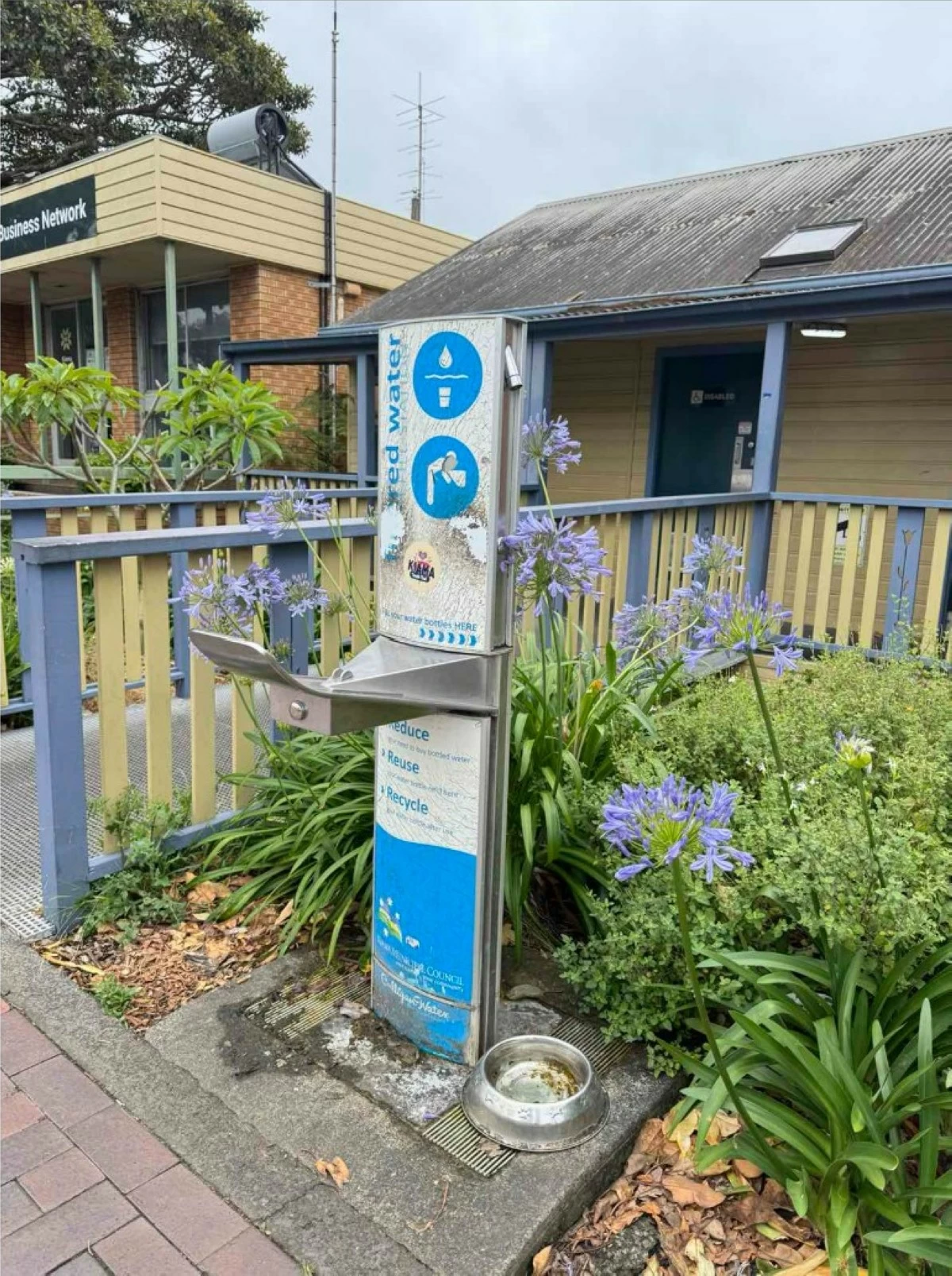
Free public water refill station — one reason people here bring reusable bottles. Even the pups get their own bowl. Water utilities in Australian cities often test the water rigorously. In Sydney, for example, they run dozens of lab tests weekly or monthly from treatment plants to customers’ taps.
And because of that, people don’t rely as heavily on bottled water. There’s less plastic waste, less energy used for filtration, and more trust in public infrastructure.
As a Filipino, this reality feels different. Water insecurity shapes daily routines and increases environmental impact. If more communities had access to clean, drinkable tap water, plastic waste and energy use would drop significantly.
Lesson 3: Solar isn’t an upgrade — it is the standard.
One of the most striking observations was how solar energy is treated as essential, rather than optional. In some areas, new homes are required to install solar panels. For those who cannot afford it, government support can reach up to AUD 9,000, with the remaining cost financed interest-free. It’s one thing to promote renewable energy—it’s another to make it truly accessible.
Australia introduced its Mandatory Renewable Energy Target decades ago, embedding sustainability into public policy. In certain states/territories, incentives for clean energy and electric vehicles are widespread. The system makes renewable energy accessible, not aspirational.
The Philippines has abundant sunlight and an urgent need for clean energy. What we often lack is the structure that allows ordinary families to transition to clean energy without being burdened by high costs. While solar installations are increasing locally, they remain largely accessible only to those who can afford the upfront investment.
Lesson 4: Sustainability works best when it feels normal.
Perhaps, the most refreshing thing I observed was how sustainability is not treated as a trend. Composting, clean water standards, energy-efficient homes, and public space discipline are not framed as environmental acts. They are simply everyday practices.
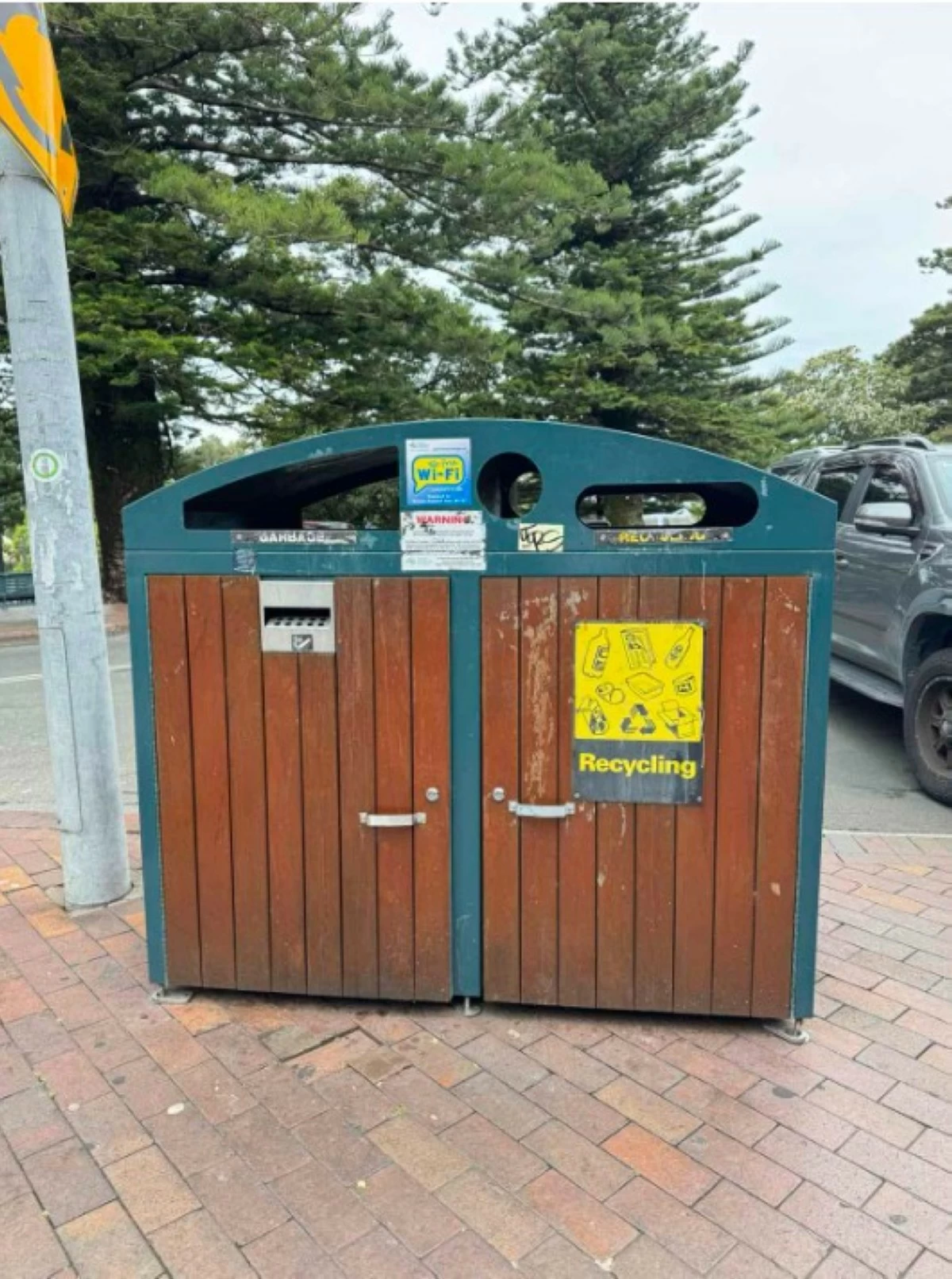
Interesting system: The red bin for rubbish is intentionally the smallest. It’s a simple reminder to reduce waste as much as possible. If you get a sticker from the council for improper sorting, you’ll be fined — automatically deducted from your account. Trash bins are also visible on nearly every corner.
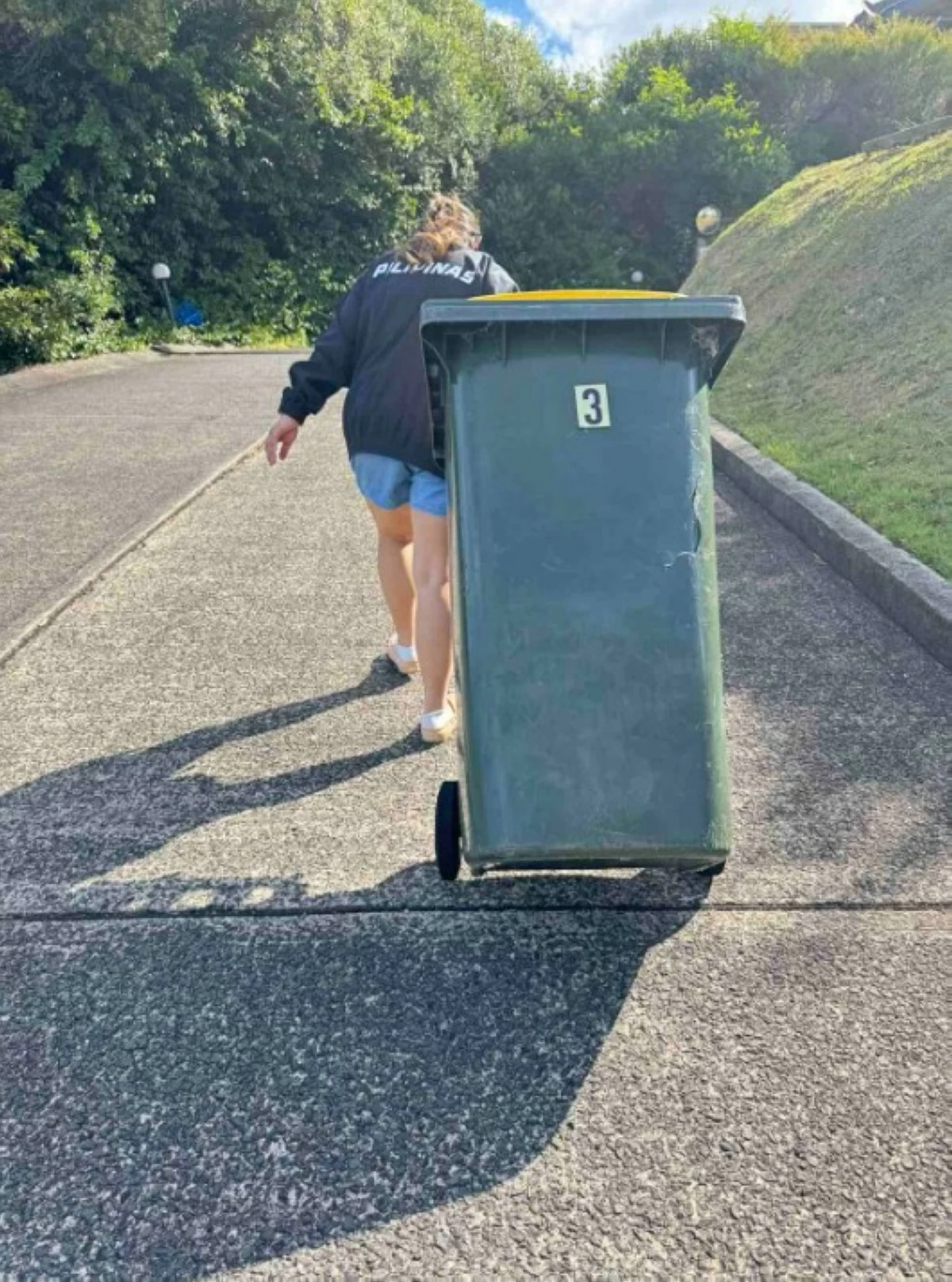
Interesting system: The red bin for rubbish is intentionally the smallest. It’s a simple reminder to reduce waste as much as possible. If you get a sticker from the council for improper sorting, you’ll be fined — automatically deducted from your account. Trash bins are also visible on nearly every corner.
Sustainability becomes effortless when systems are designed to support it, rather than relying on guilt or constant reminders.
Lesson 5: Even the flight teaches you something.
How one travels is also part of intentional living. Knowing that Cebu Pacific operates more fuel-efficient NEO aircrafts, optimizes routes to reduce emissions and runs PET bottle segregation onboard made the journey feel aligned with the sustainable values I’m learning to live by. No system is perfect, but incremental improvements matter.
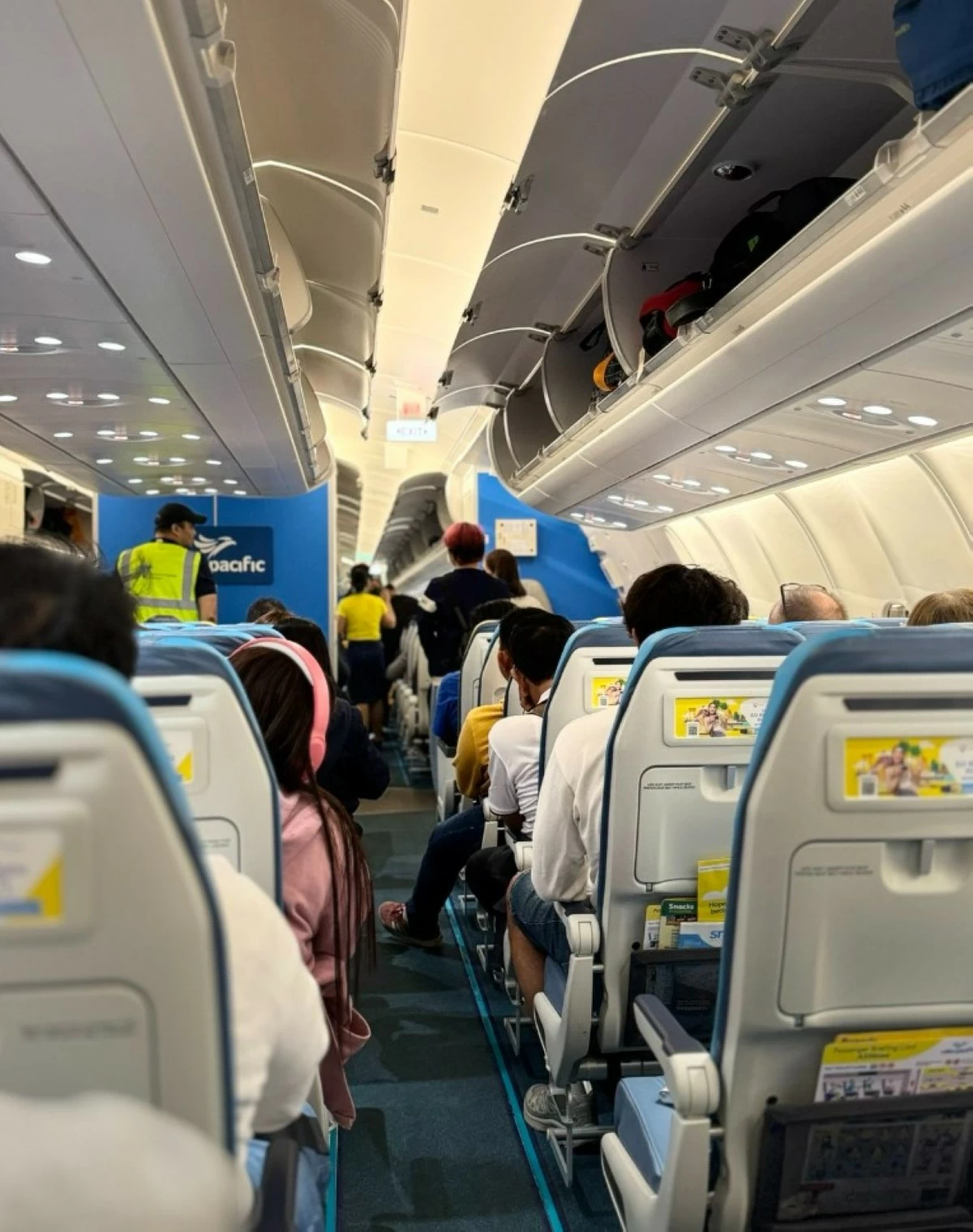
Being a low-cost carrier does not have to mean compromising sustainability. With intentional living comes a different kind of responsibility.
It also helped that the airline flies directly to Australia, and choosing one already taking steps toward fuel efficiency and better waste practices made a difference — not just financially but environmentally.
Bringing the lessons home is the real point.
Reflecting on these experiences, I realized something important: no country is perfect. Sustainability succeeds not because of perfection but because of discipline, consistency and a shared willingness to do small things every day.
Filipinos are among the most resourceful, adaptive and resilient people in the world. What is often lacking is not capability but structure, habit and collective discipline. These, however, can be built — one imperfect effort at a time, one better choice at a time, one community at a time.
Sustainability is not about imitation or flawlessness. It is about progress. And that is something Filipinos have long shown they are capable of achieving.