







Hormuz deal ensures fuel supply, not price cuts—Palace


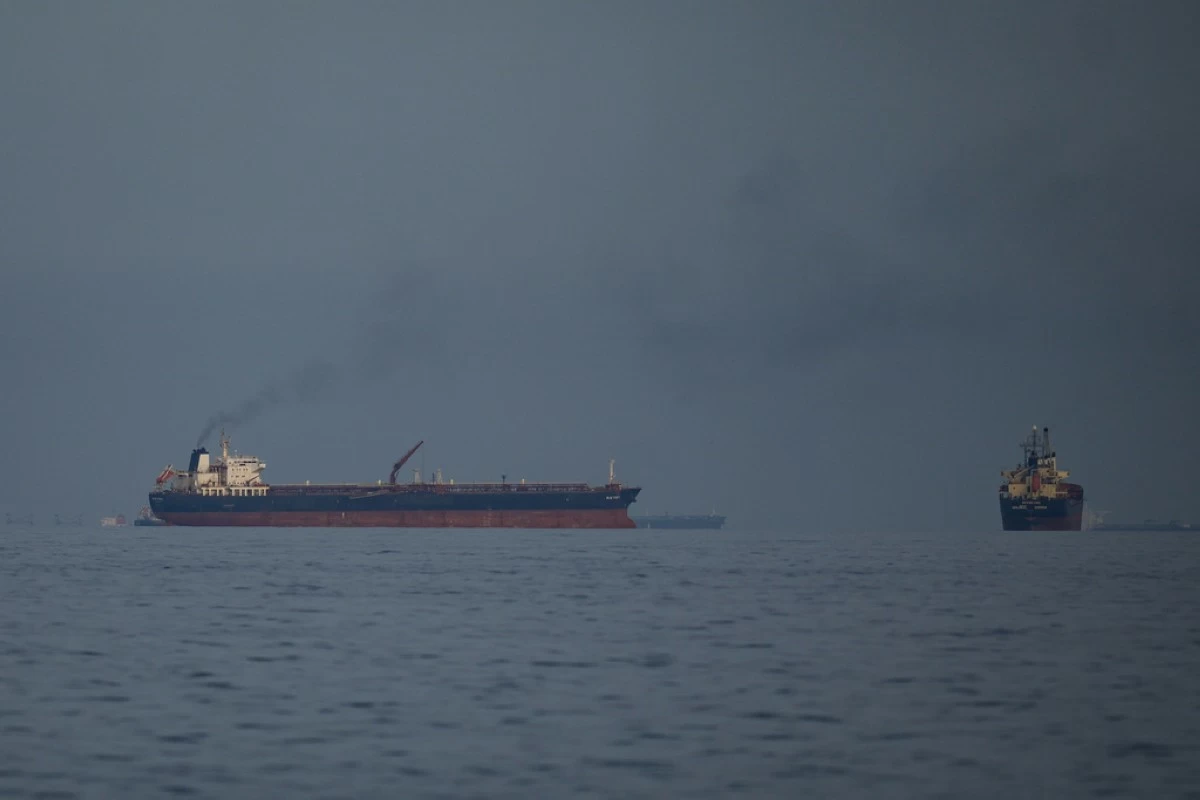
Malacañang has clarified that the government’s efforts to secure safe passage for Philippine vessels through the Strait of Hormuz are aimed at ensuring a steady fuel supply, not immediately lowering oil prices.
Presidential Communications Office (PCO) Undersecretary Claire Castro said this after the Department of Foreign Affairs (DFA) announced last week that Iran had assured the Philippines of safe, unhindered passage of Filipino vessels and seafarers in the Strait of Hormuz, a passageway that had been effectively closed since the start of the war between Iran, the US, and Israel.
In her press briefing on Monday, April 6, Castro said the priority of the arrangement is to maintain the flow of petroleum products into the country amid global uncertainties.
“Hindi po pinag-uusapan dito ang halaga… ang pinag-uusapan po dito ay iyong patuloy na supply ng produktong petrolyo sa ating bansa (This is not about prices… this is about ensuring the continuous supply of petroleum products in the country),” she said.
Castro said allowing Philippine-bound vessels to pass through the Strait of Hormuz without restriction would help speed up fuel deliveries.
“Mas madali, mas mabilis na makakakuha ng supply ng petrolyo (It will be easier and faster to secure petroleum supply),” she said, noting that restrictions in the vital shipping lane could disrupt access to oil supply.
Asked how soon Filipinos can feel the effects of the agreement, the Palace official said the Philippines has requested safe passage for Philippine-flagged bulk carriers with Filipino crew. She added that DFA Secretary Ma. Theresa Lazaro is awaiting the response of the Iranian and maritime authorities.
Castro reiterated that while the public remains concerned about rising fuel costs, the government’s immediate focus is on securing supply stability. She said discussions on pricing involve separate considerations and depend on global market conditions.
The Palace earlier said agencies are continuing coordination efforts to ensure adequate fuel supply as tensions in the Middle East persist.
Critics answered
Meanwhile, Castro also pushed back against critics downplaying the impact of the diplomatic effort.
“Iyan po kasi minsan ang mahirap sa kapwa natin Pilipino… may pilit na humahatak pababa (That is sometimes the problem with some of our fellow Filipinos… some keep trying to pull things down),” she said.
She emphasized that the government continues to act to secure the country’s fuel needs.
Critics had doubted the effectiveness of the Hormuz agreement between the Philippines and Iran, with some saying that the Philippines supposedly had no vessel of its own in the Strait of Hormuz in the first place and that the country gets its oil from Singapore and South Korea.
Castro clarified that “Philippine-flagged vessels” do not necessarily mean ships physically owned by the government. She said these refer to vessels registered with the Maritime Industry Authority (Marina) and operated or controlled by Filipino entities.
“Hindi po iyon teknikal or literally na barko ng Pilipinas (These are not literally Philippine-owned ships),” she said.