






Manila Bulletin
 Business
Trade & Industry
Gov't invites private firms to explore new gas field in Bicol
Business
Trade & Industry
Gov't invites private firms to explore new gas field in Bicol
Business
Trade & Industry
Gov't invites private firms to explore new gas field in Bicol
Gov't invites private firms to explore new gas field in Bicol
Published Apr 1, 2026 02:54 pm


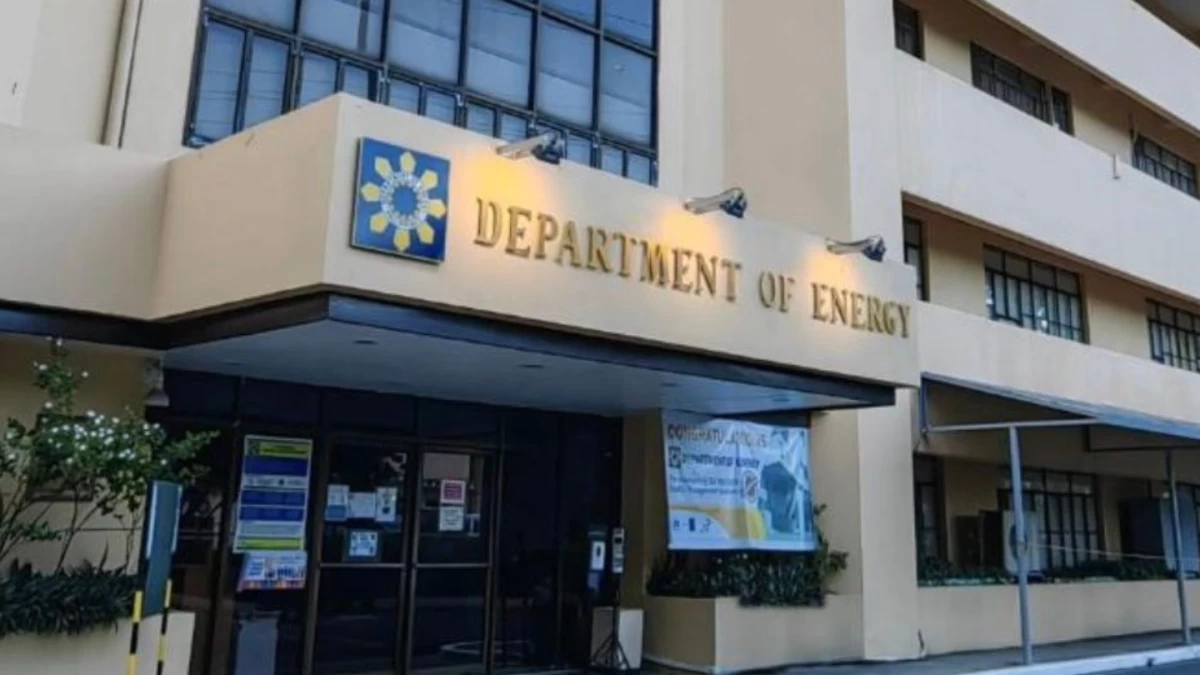
The government is opening the Bicol Shelf Basin to private investors for oil and gas exploration, a move intended to bolster indigenous energy resources as the country seeks to reduce its reliance on volatile global fuel markets.
The Department of Energy (DOE) on Wednesday, April 1, announced a 60-day window for private firms to challenge a work program submitted for “Nominated Area No. 16.”
The competitive process, conducted under the Philippine Conventional Energy Contracting Program (PCECP), allows the government to vet and select the most qualified developer to exploit the basin’s petroleum reserves.
Officials have classified the Bicol Shelf as a “frontier” block, an industry term for areas with proven petroleum systems that remain largely unexplored. The site’s proximity to the Luzon power corridor—the country’s primary energy infrastructure hub—makes it a strategic priority for development.
Under the PCECP guidelines, challengers must submit a work program superior to the original proposal and pay a non-refundable ₱1 million fee.
The DOE is accepting applications from local and international petroleum companies, as well as joint ventures and consortia. Selection will be based on a rigorous evaluation of legal standing, technical expertise, and financial capacity.
The push for new domestic supply comes at a critical time for the Philippine energy sector. The Malampaya gas field, which provides a significant portion of Luzon's electricity needs, has faced concerns regarding its long-term viability.
By securing new indigenous gas sources, the government aims to mitigate the impact of external price shocks and lower the country’s overall import bill.
In a parallel effort to address energy security, the DOE has issued a mandate to distribution utilities, electric cooperatives, and local government units to fast-track net-metering applications.
Processing times for these submissions must now be completed within three to 10 working days, a move designed to lower household electricity costs amid persistent market fluctuations.
The acceleration follows the guidelines of Executive Order No. 110, which declared a State of National Energy Emergency. The order seeks to clear bureaucratic hurdles for qualified end-users wanting to install rooftop solar systems.
The net-metering program permits consumers with renewable energy systems of up to 100 kilowatts to export excess electricity back to the grid in exchange for credits on their monthly bills, effectively turning residential and commercial buildings into small-scale power plants.