






 Philippines
National
Palace: work-from-home proposals 'helpful' but up to private firms
Philippines
National
Palace: work-from-home proposals 'helpful' but up to private firms
Palace: work-from-home proposals 'helpful' but up to private firms


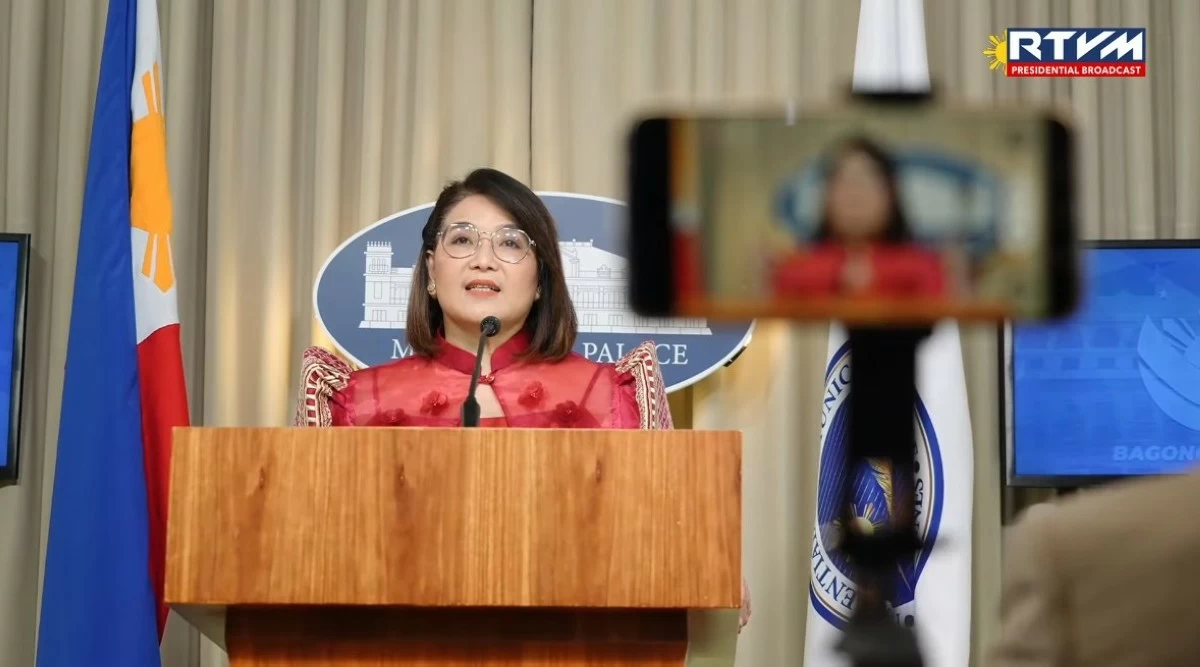
Malacañang welcomed proposals to adopt work-from-home (WFH) arrangements amid rising fuel prices but said the decision ultimately rests with private companies.
Presidential Communications Office (PCO) Undersecretary Claire Castro said the Palace sees the proposal as beneficial in reducing fuel consumption.
“Kung iyan ang magiging panukala ng mga private business companies, makakatulong na malaki ‘yan (If that will be the proposal of private business companies, that will greatly help),” she said.
“Pero siyempre hindi naman didiktahan ng Pangulo ang mga pribadong kumpanya (But of course, the President will not dictate to private companies),” she added.
The Palace Press Officer emphasized that businesses are free to determine work arrangements that best suit their operations and employees.
“Kung nakikita nila na ito’y makakabuti… para makatipid din sa fuel o sa produktong petrolyo, maganda ‘yang suggestion (If they see that this will be beneficial… to save on fuel or petroleum products, that is a good suggestion),” she said.
Wage subsidy calls under review
Meanwhile, the Palace also responded to calls from labor groups for a P5,000 monthly subsidy for minimum wage earners affected by rising fuel costs.
Castro said no option is being ruled out but stressed the need to prioritize sectors most impacted by the oil price surge.
She added that any assistance must be aligned with available government resources.
Ongoing transport relief
Castro likewise cited existing government interventions to ease the burden on commuters and transport workers.
These include a 50-percent fare discount in rail systems, free bus rides, and fuel subsidies for public utility vehicles.
The Palace earlier ordered energy conservation measures across government offices following the declaration of a state of national energy emergency.
These include a four-day onsite workweek for government employees and setting air-conditioning units to no lower than 24°C.
Tax relief measure signed
Castro also noted that President Marcos has signed into law a measure allowing the temporary suspension or reduction of excise taxes on petroleum products.
The law aims to help mitigate the impact of global oil price spikes on Filipino consumers.
The Palace said it will continue to explore measures to cushion the effects of rising fuel prices while coordinating with both public and private sectors.