






 Philippines
National
Pia Cayetano: Camago-3 breakthrough a major step towards PH energy security
Philippines
National
Pia Cayetano: Camago-3 breakthrough a major step towards PH energy security
Pia Cayetano: Camago-3 breakthrough a major step towards PH energy security


At A Glance
- Senator Pia Cayetano on Friday, March 27 welcomed the successful drilling of the Camago-3 gas well, saying it a breakthrough for the Philippine's energy security and local energy production.
Senator Pia Cayetano on Friday, March 27 welcomed the successful drilling of the Camago-3 gas well, saying it a breakthrough for the Philippine’s energy security and local energy production.
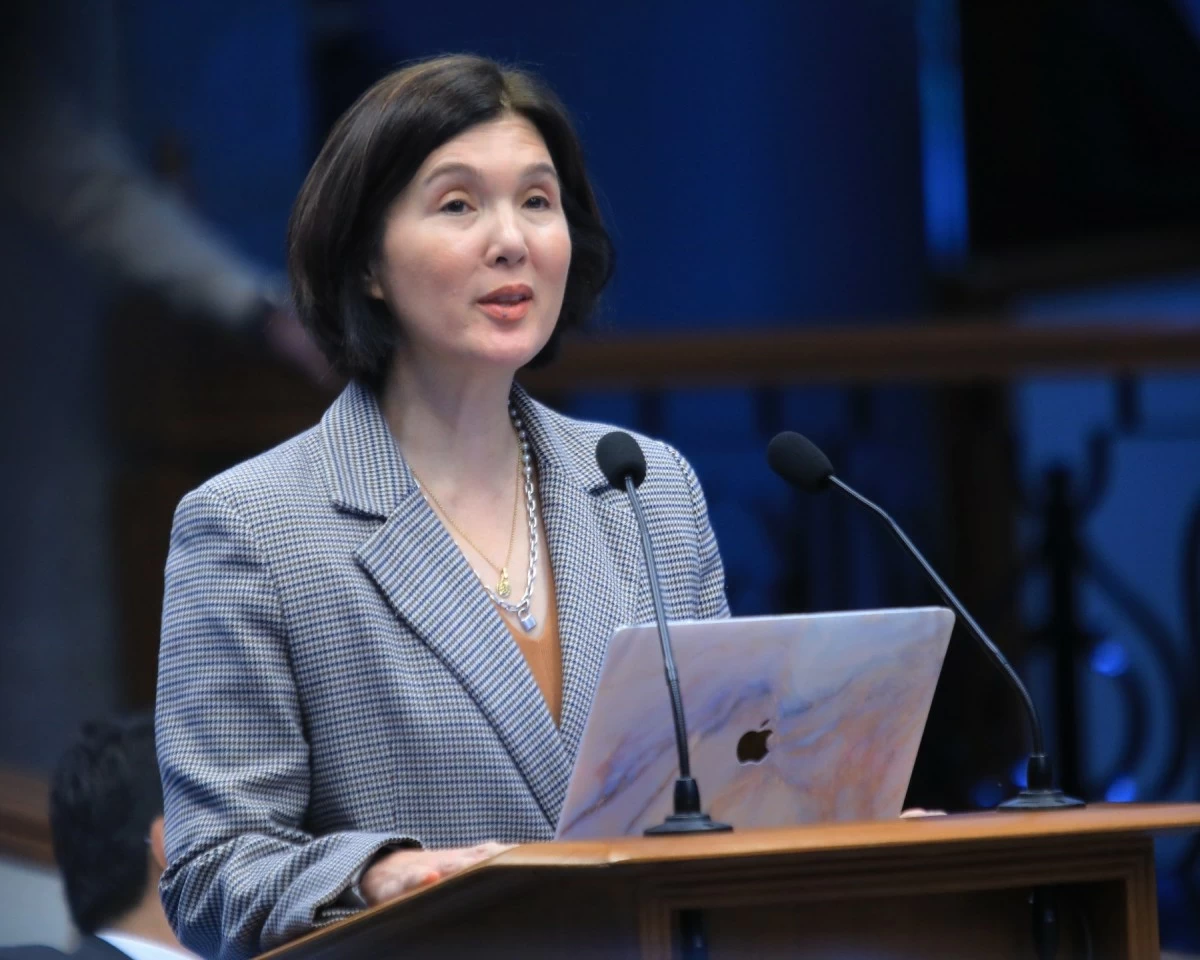
“This comes as a source of hope and opportunity, especially at a time when the conflict in West Asia continues to threaten global fuel supply and drive up energy costs,” Cayetano said.
“Every move toward strengthening our own energy sources is a step toward protecting Filipino families from unpredictable costs,” the Senate Committee on Energy chairperson also said.
Earlier, President Ferdinand “Bongbong” Marcos Jr. announced the successful drilling and testing of the Camago-3 gas well, which is capable of producing 60 million standard cubic feet of gas per day.
The Marcos administration said Camago-3 is the second major milestone under the $893-millioin Malampaya Phase 4 campaign off Palawan, extending the Malampaya field’s life by another six (6) years.
The Camago-3 also holds 2.5 times more recoverable gas than Malampaya East-1.
Cayetano noted that the Camago-3 development is a direct result of the policy framework the Natural Gas (NatGas) law put in place and which mandates comprehensive downstream natural gas planning, promotes investment, and prioritizes indigenous natural gas to reduce import dependence and help moderate power costs over time.
“This is exactly what the NatGas Law was designed to make possible,” she said.
“Locally sourced gas is more affordable. And with a stable domestic supply, we can achieve more reliable and - potentially cheaper– electricity for our homes and businesses. That’s what matters most to our people,” she said.
The President stated that this development marks a firmer and affordable power supply for the Philippines especially in the light of the oil crisis.