







Over 2,000 TNVS drivers receive fuel subsidies in Manila


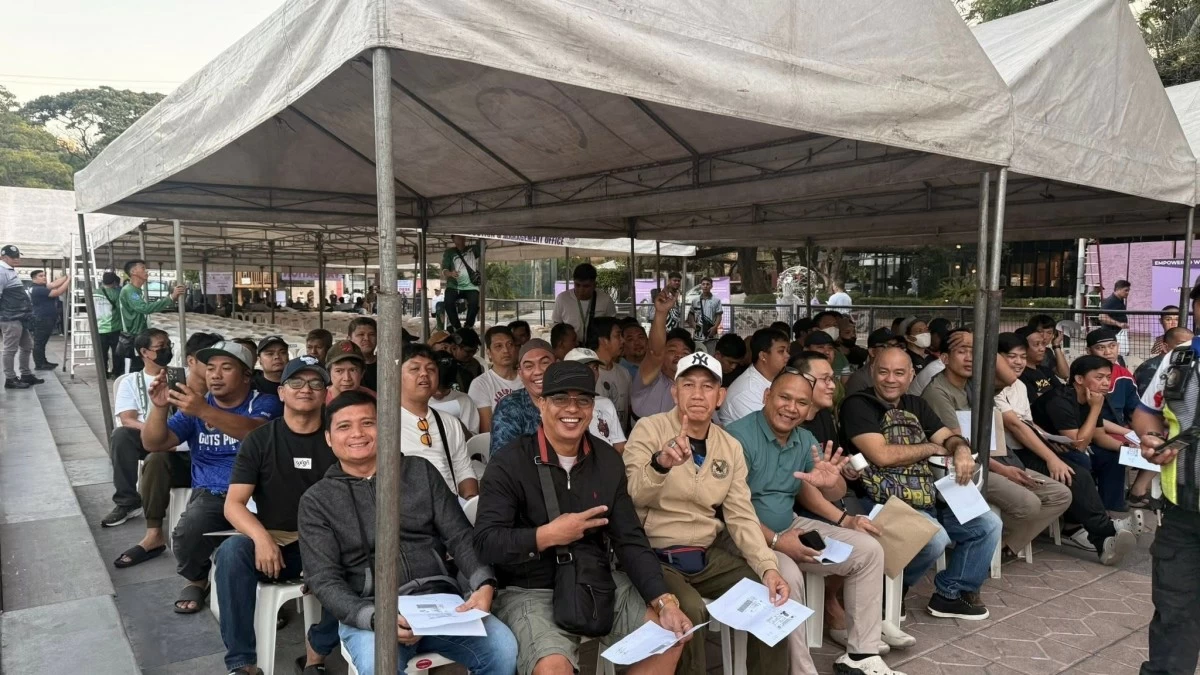
A total of 2,629 Transport Network Vehicle Service (TNVS) drivers in Manila have received their much-awaited fuel subsidy from the national government on Tuesday, March 24, providing them much-needed reprieve from the soaring cost of fuel prices amid the Middle East war that has pushed oil prices worldwide to unseen heights.
Manila Mayor Francisco "Isko Moreno" Domagoso said the distribution was held at the Kartilya ng Katipunan near the Manila City Hall, in coordination with the Manila Department of Social Welfare and Development (MSWD) and Manila Traffic and Parking Bureau (MTPB).
Each qualified driver received P5,000 cash assistance from the Department of Social Welfare and Development (DSWD) under its Assistance to Individuals in Crisis Situations (AICS) program, together with the Land Transportation Franchising and Regulatory Board (LTFRB).
Beneficiaries of the fuel subsidy include drivers from Grab, Utol, Toktok, Pure Ride, Maxim, Joyride, InDrive, Hirna, Go Cab, Angcars, Unlala, Hail, PeekUp, and Para Express.
The city government had earlier distributed fuel subsidies for tricycle drivers last March 17 as part of the national government's efforts to provide aid to public utility vehicle (PUV) drivers severely affected by the price hikes, with the rest of the PUV sector targeted to receive the fuel subsidy in the coming days.
Nobody will be left behind
Domagoso assured Manileños that nobody will be left behind as the country continues to grapple with the adverse effects of the Middle East conflict, saying that the city has already prepared programs and initiatives to help alleviate the economic side effects of the war for citizens.
Aside from fuel subsidies, the city had also set up a P1.76-billion stimulus package, designed to put money directly into the hands of residents and keep local economic activity moving as inflation continues to strain household budgets.
“Our plan is simple: stimulate the economy, augment what our people have, and cushion the impact of rising prices on every Manileño,” Domagoso said.
The program will reach roughly 15 percent of the city’s population, with a significant portion allocated to social amelioration efforts for senior citizens, solo parents, and people with disabilities.
Additional support will also be extended through educational assistance and incentives for public sector workers.
City officials said the approach is meant to strengthen purchasing power at the household level, helping families cope with the rising cost of basic goods and services, driven in part by higher fuel prices amid global oil market pressures.
The city government is also pushing forward with major infrastructure projects to generate jobs and sustain economic momentum.
Manileño families will also receive 10 kilos of rice from the city by the month of April, made possible by the Office of the President under its 2026 Local Government Support Fund (LGSF).
The mayor explained the budget will be used to fund social relief programs, including Manila's rice aid initiative, for six months.