






Manila Bulletin
 Philippines
National
Crisis committee formed to sustain multiple gov't response amid Middle East conflict—Recto
Philippines
National
Crisis committee formed to sustain multiple gov't response amid Middle East conflict—Recto
Philippines
National
Crisis committee formed to sustain multiple gov't response amid Middle East conflict—Recto
Crisis committee formed to sustain multiple gov't response amid Middle East conflict—Recto
Published Mar 24, 2026 04:21 pm


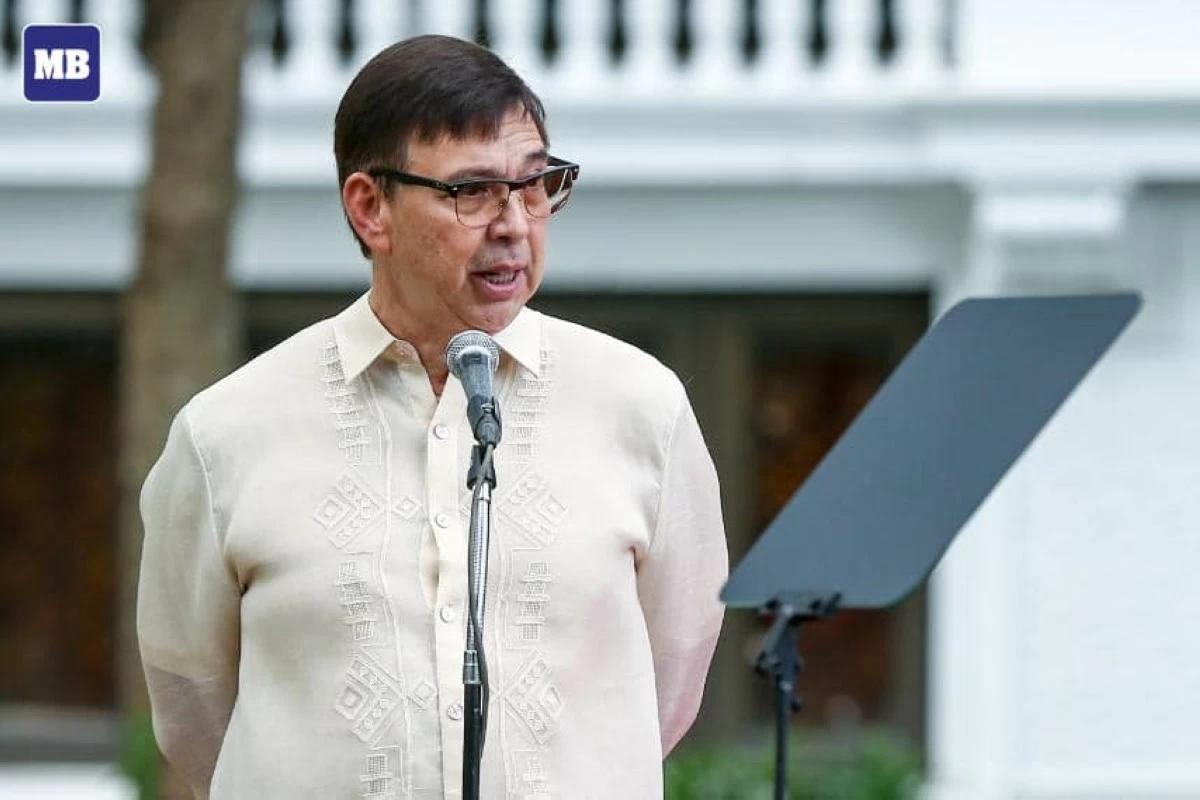
Executive Secretary Ralph Recto (Manila Bulletin File Photo)
Executive Secretary Ralph Recto clarified that the crisis committee President Marcos created "does not start, but sustains and strengthens the multiple mitigation measures" to cushion the impacts caused by the ongoing conflict in the Middle East.
"The government immediately scrambled all resources to shield the nation from the immediate fallout," Recto said on Tuesday, March 24.
"Financial aid was and continues to be given. Fuel subsidy being distributed to tens of thousands of drivers. OFWs (Overseas Filipino workers) have been flown out of harm’s way aboard chartered flights. Energy conservation measures have been put in place,” Recto added.
He stressed that because it is impossible to predict when the war will end, “the next logical option is to create the administrative structure to better handle a possible long-drawn-out crisis."
On Monday, Malacañang announced the formation of a crisis committee even as it maintained that there is no oil crisis in the country so far.
Recto justified the creation of the crisis committee, saying that the damage would still need to be repaired even after the war.
“Even if the war will end tomorrow, even if the actors will come to their senses that their missile duel should stop, normalization will not instantaneously follow. The damage has to be repaired," Recto explained.
"The road to normalcy will still be challenging. For example, oil and gas facilities destroyed will leave a gaping hole in global supply that will keep fuel prices elevated,” he said.
"This the same sense of urgency that justifies the creation of a committee that will address a still evolving situation," the Executive Secretary stressed.
Recto said the interagency committee that will be created by a presidential order “institutes a division of labor which scales up work to agencies with clear assignments.”