







Why water is a healing wonder
A look into the benefits of hydrotherapy
By Cheshire Que
Published Mar 23, 2026 08:40 pm


At A Glance
- The ancient world, especially among the Romans, Egyptians, Greeks, Japanese, Chinese, and Hindus, has used hot springs and water to treat medical conditions.
Almost everyone has probably experienced getting a fever at least once in their lives, right? Have you tried having a sponge bath to help bring the body temperature down? It must have helped a lot, even if you had to take medications. Have you ever suffered from constipation, and it was resolved after drinking more water? Have you experienced getting relief from hemorrhoids by doing a sitz bath? It is a warm, shallow bath that aids in reducing pain, itchiness, and inflammation in the anus when you are suffering from a hemorrhoid. You can use either a tub or a simple basin to find relief. These are just some of the home remedies that make use of water to alleviate pain and discomfort. We may not give it much thought, but water truly has healing properties.
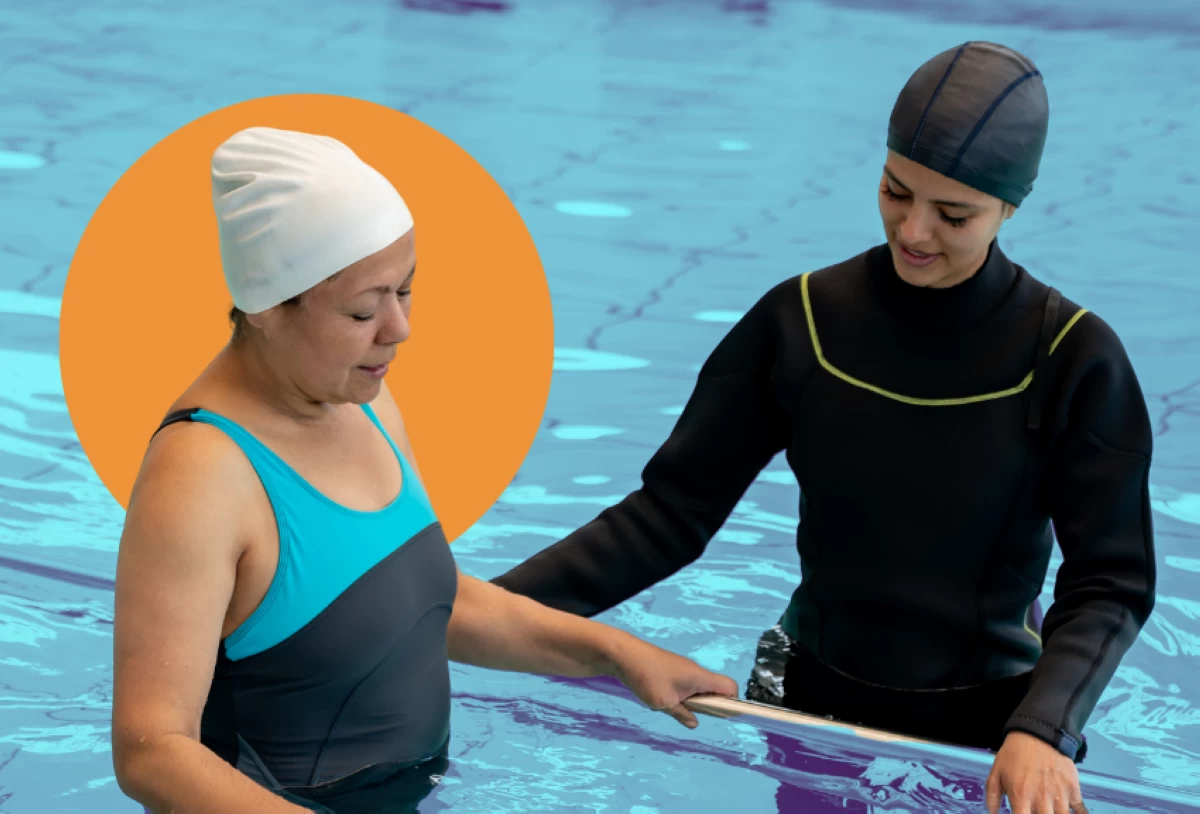
The ancient world, especially among the Romans, Egyptians, Greeks, Japanese, Chinese, and Hindus, has used hot springs and water to treat medical conditions. Physical evidence of these bath places is still present to this day. In the 1800s, German priest Father Sebastian Kneipp cured his tuberculosis by applying cold water treatments to himself. He is recognized as the father of hydrotherapy for using water in the form of baths, wraps, and showers with different temperatures and pressures to treat various medical conditions. The system he developed is popularly known as the Kneipp Cure. In 2015, the Kneipp therapy was officially recognized as a UNESCO Intangible Cultural Heritage in Germany by the German Commission for UNESCO. While Kneipp hydrotherapy techniques are practiced across Germany, Bad Worishofen is the main location where they can be fully experienced. This place is where Kneipp practiced his craft for four decades.
The good news is that you do not need to travel far to experience hydrotherapy. While it may not be the same as the one in Germany, you can still benefit from the therapeutic effects of hydrotherapy at home.
A lot of scientific research has been conducted to support the therapeutic benefits of hydrotherapy. A. Mooventhan and L. Nivethitha conducted a review on the scientific evidence-based effects of hydrotherapy on various systems of the body.
Did you know that hydrotherapy can help with cancer management and prevention by stimulating the immune system to fight off cancer cells? While hydrotherapy is not a substitute for cancer treatment, it can be used as an adjunct therapy to cancer management and prevention by helping the immune system in fighting cancer. After all, cancer has always primarily been due to a compromised or weakened immune system.
Studies have shown that water immersion with the head out for 30 minutes in approximately 38.41 degrees Celsius water temperature stimulates the immune system to produce cytotoxic and natural killer cells. These immune cells are vital in killing cancer cells. Hydrotherapy not only improves immunity against cancer cells, but it can also help fight off infections from viruses and bacteria. Including the common colds and flu-like symptoms.
Another medical condition that can make use of hydrotherapy would be those with a compromised kidney function who cannot effectively excrete toxic wastes from the body. Bathing in 42 degrees Celsius for 30 minutes promotes the clearance of urea and potassium. Hemodialysis results in a calculated urea loss of approximately 117 mmol/h and 20 mmol/h of potassium loss. On the other hand, sweat loss during hot water baths facilitates urea loss of about 43 mmol/h and potassium loss of about 12 mmol/h.
Hot baths can reduce interdialytic weight gain, improve blood circulation, and lower blood pressure among individuals with end-stage renal disease or ESRD. Thus, enhancing the sufficiency of dialysis while helping prevent fluctuations in blood pressure andthe occurrence of cardiovascular events during dialysis. Hot baths can be used as a valuable tool in managing chronic intermittent hemodialysis among patients suffering from kidney disease.
Aside from hot water baths, another form of hydrotherapy is a sauna bath. It can be used as a method of detoxification through increased sweating. Thereby increasing the excretion of impurities like urea, heavy metals, and excess water.
Lastly, hydrotherapy can positively impact cardiovascular health. Studies have shown that bathing with the head out in 38.41 degrees Celsius water temperature for 30 minutes increased heart rate and decreased blood pressure due to improved blood circulation and oxygenation. This also aids in improving exercise tolerance and increasing cardiac output, or the amount of blood being pumped by the heart. Furthermore, hydrotherapy helps reduce bad cholesterol or LDL levels by increasing the HDL or good cholesterol level.
The therapeutic benefits of hydrotherapy are not limited to these three body organ systems. It can be a part of managing musculoskeletal issues such as pain, conditions of the nervous system like depression, respiratory system, digestive system, endocrine system, and more.
Together with a wholesome, minimally processed plant predominant diet, regular physical activity, stress management, and proper medication or medical treatment, hydrotherapy can help improve condition, as well as quality of life.