







Why do I have food cravings?
Understanding the root causes of cravings beyond emotional eating
By Cheshire Que
Published Mar 2, 2026 08:45 pm


At A Glance
- What the body lacks, the body naturally craves. We expend energy even at rest.
Have you ever found yourself losing control and giving in to your cravings, only to feel guilty or disgusted with yourself afterward? Your mind may be telling you not to give in to your food cravings, but your body tells you otherwise, and you just succumb. Is it because you are too weak to resist, or is there another reason? Conventionally, unhealthy eating, which includes food cravings for unhealthy choices, is often blamed simply on a lack of willpower.
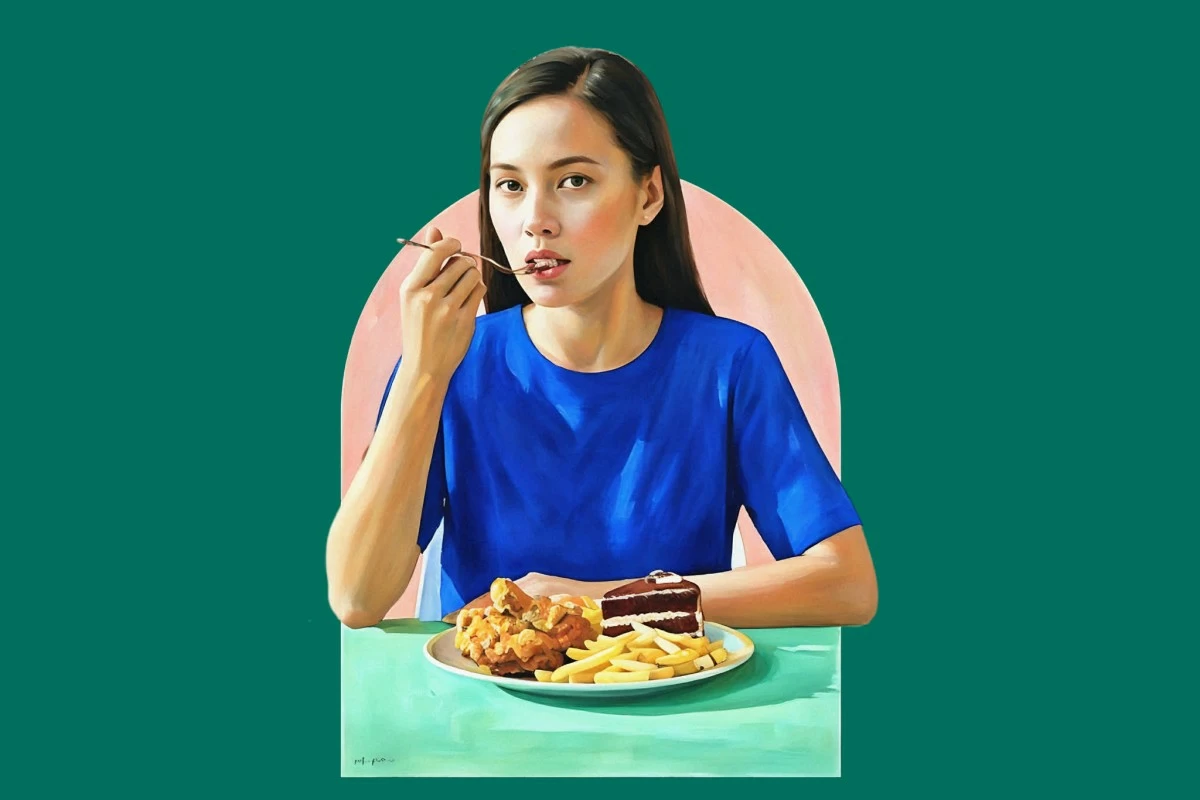
Here are five scientifically proven causes of food cravings to help you find the root cause of your uncontrollable cravings.
Dehydration
If you do not have the habit of drinking water throughout the day regularly, then you are likely to be dehydrated even if you drink other fluids. Some beverages are even contributing to your dehydration, such as coffee, which is a diuretic. Therefore, it is important to watch your intake of plain water throughout the day. Dehydration upsets the production of energy from the liver and muscle stores. Therefore, the lack of energy will signal the body to crave a quick energy fix through energy sources from carbohydrates and fatty food. Moreover, the part of the brain that regulates thirst and hunger, called the hypothalamus, confuses thirst for hunger. Therefore, if the body is dehydrated, you may not only feel parched but also hungry. A good indicator of hydration level is the color of your urine. If it is dark colored, then you are likely to be dehydrated even if you do not experience a thirst sensation.
Poor sleep quality
When you’re truly hungry, and your stomach is growling, that is the ghrelin hormone at work. This hormone is produced in the stomach lining. On the other hand, fat cells produce the hormone leptin, which helps one feel satiated. Therefore, there is a decrease in appetite. Studies have shown that lack of sleep or those individuals who sleep less than seven hours a day have increased production of ghrelin hormones that stimulate their cravings and increase their appetites as a result of decreased production of leptin hormones that could curb cravings.
Inadequate intake during the day
Do you skip meals? Do you not experience hunger during daytime and end up feeling famished later in the day or night? What the body lacks, the body naturally craves. We expend energy even at rest. Therefore, we spend more energy as our physical and mental activities increase throughout the day. Even someone simply working behind the desk or just studying still burns energy because the brain is hard at work. If you do not have adequate intake of calories during the day, there will be metabolic consequences. One of these is increased cravings and appetite during the times when you are supposed to prepare your body for rest and sleep. Even if you are not hungry at the start of the day, it is recommended to eat. Begin with smaller portions and regularly eat at a specific time until your body adjusts and you start to feel hunger during the day and less at night. Gradually increase the amount until you stop eating or craving at night.
Stress
Sometimes we feel like rewarding ourselves with something that we want to eat after overcoming a stressful situation. That is acceptable. If you are, however, chronically exposed to stress and find comfort in constantly rewarding yourself with unhealthy food, then that is a cause for concern. Chronic stress increases the production of a stress hormone called cortisol. Studies have shown that it can increase food cravings, including alcohol and ultra-processed food like chips, baked products, sweets, processed meats, and others that need to compensate for the fatigue and increased feelings of stress due to the high cortisol levels. Therefore, it is important not only to learn to manage stress by learning healthy coping strategies but also regulate sleep in order to have normal cortisol levels. It should be low at night and high in the morning, especially around 9 am when one should be fully awake.
Gut microbiome
The intestines or the gut are home to trillions of beneficial microorganisms known as the gut microbiome. These beneficial bacteria are vital to the connection between the brain and the gut called the gut-brain axis. Thus, influencing food cravings. It is important to keep the gut microbiome diverse and balanced to prevent the growth of microorganisms that release neurotoxins and hijack the gut-brain axis. Consumption of a predominantly plant-based diet emphasizing wholesome and minimally processed vegetables, fruits, whole grains, nuts, and seeds will keep the gut microbiome healthy and the food cravings controlled.
If you are still struggling with uncontrolled food cravings despite making changes in your sleep hygiene, diet, and hydration, it is best to seek the help of a psychiatrist or psychologist for proper assessment, diagnosis, and management.