






Manila Bulletin
 Technews
Steven Bartlett's 'The Diary of a CEO' resonates with Filipinos navigating AI, side Hustles, and digital well-being
Technews
Steven Bartlett's 'The Diary of a CEO' resonates with Filipinos navigating AI, side Hustles, and digital well-being
Technews
Steven Bartlett's 'The Diary of a CEO' resonates with Filipinos navigating AI, side Hustles, and digital well-being
Steven Bartlett's 'The Diary of a CEO' resonates with Filipinos navigating AI, side Hustles, and digital well-being
By Bob Reyes
Published Feb 16, 2026 02:48 pm


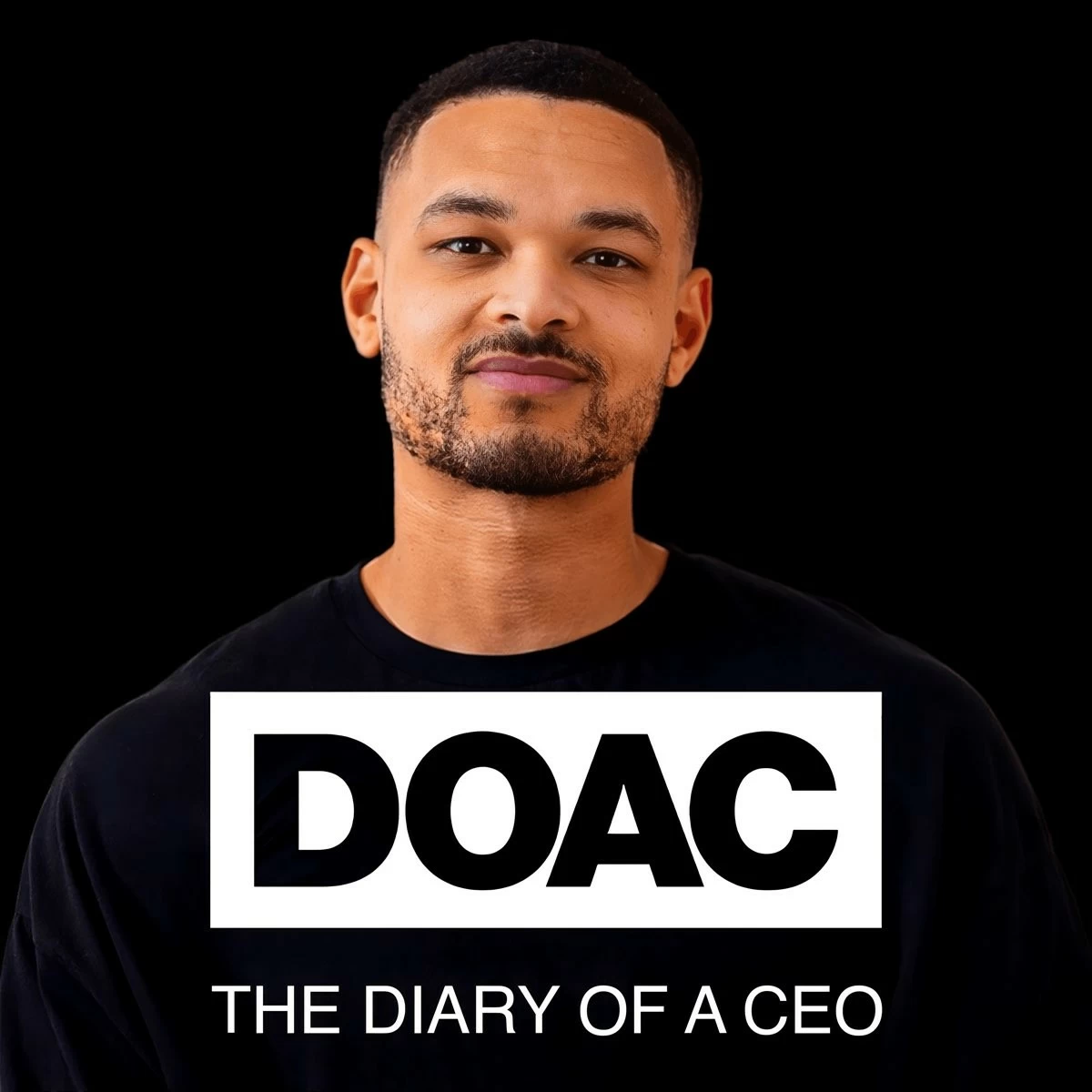
British entrepreneur and podcaster Steven Bartlett, creator of the globally influential platform “The Diary of a CEO” (DOAC), with over 14.8 million YouTube subscribers, continues to spark conversations about ambition, leadership, and mental health. Topics that resonate strongly with Filipinos navigating a rapidly evolving digital economy. As the Philippines embraces remote work, multiple side hustles, and Artificial Intelligence (AI)-driven transformation in education and business, the themes explored in Barlett's long-form podcast feel increasingly relevant at the local level.
Across the country, Filipinos are adapting to a new definition of success shaped by technology. From freelancers managing clients across multiple time zones to students using AI tools to supplement learning, digital platforms have unlocked unprecedented opportunities. At the same time, they have introduced new pressures. Always-on connectivity, algorithm-driven content creation, and heightened performance expectations have made conversations about burnout, focus, and well-being more urgent than ever.
The Philippines’ young, highly connected population spends a significant portion of its day online, making global digital conversations particularly influential. While AI promises efficiency and productivity, it also raises concerns about job displacement, long-term career stability, and mental health. These realities mirror the issues discussed in “The Diary of a CEO,” which has become one of the world’s most downloaded podcasts by tackling the human side of ambition in the digital age.
Hosted by Bartlett, “The Diary of a CEO” features in-depth conversations with some of the world’s most recognized thinkers and leaders, including Simon Sinek, Kobe Bryant, Sir Richard Branson, and Will Smith. Episodes go beyond traditional success narratives, exploring leadership under pressure, mental resilience, purpose-driven work, and the psychological cost of high performance. While global in scope, many of the insights align closely with the lived experiences of Filipino professionals juggling multiple commitments in a competitive, tech-driven environment.
In a recent episode featuring leadership expert Simon Sinek, Bartlett explored how individuals and teams can improve decision-making, communication, and focus in high-pressure situations. These themes reflect the challenges many Filipinos face in balancing career growth, personal development, and family responsibilities amid constant digital noise. The discussion highlights a growing recognition that productivity is no longer just about output, but about sustainability, clarity, and meaning.
Locally, similar conversations are gaining traction through national initiatives to prepare Filipinos for the future of work. The Department of Information and Communications Technology (DICT), the Technical Education and Skills Development Authority (TESDA), and the IT & Business Process Association of the Philippines (IBPAP) recently launched Project UNLAD (Uplifting National Labor through AI & Digital Skilling). The nationwide program focuses on equipping Filipinos with future-ready digital and AI skills to secure roles in the IT-BPM sector, while also emphasizing adaptability and resilience in a fast-changing work environment.
Mental health advocates in the Philippines note a growing openness among young professionals to discuss stress, anxiety, and exhaustion, particularly as AI adoption and remote work reshape traditional career paths. This cultural shift reflects a broader rethinking of progress, where well-being, focus, and purpose are increasingly valued alongside career advancement.
Filipino audiences are also turning to long-form global podcasts for guidance and perspective, including “How I Built This” for entrepreneurial lessons, “The Tim Ferriss Show” for productivity and performance insights, “TED Talks Daily” for idea-driven inspiration, and “Armchair Expert” for discussions on psychology and personal growth. Together with “The Diary of a CEO,” these platforms signal a growing appetite for deeper conversations about work, wellness, and life in the digital age.
As technology becomes more accessible, the challenge for many Filipinos is no longer how to access digital tools but how to use them wisely—balancing ambition with well-being in an increasingly connected world.