







We must be consistent in our position on WPS—Palace
Published Feb 9, 2026 03:46 pm


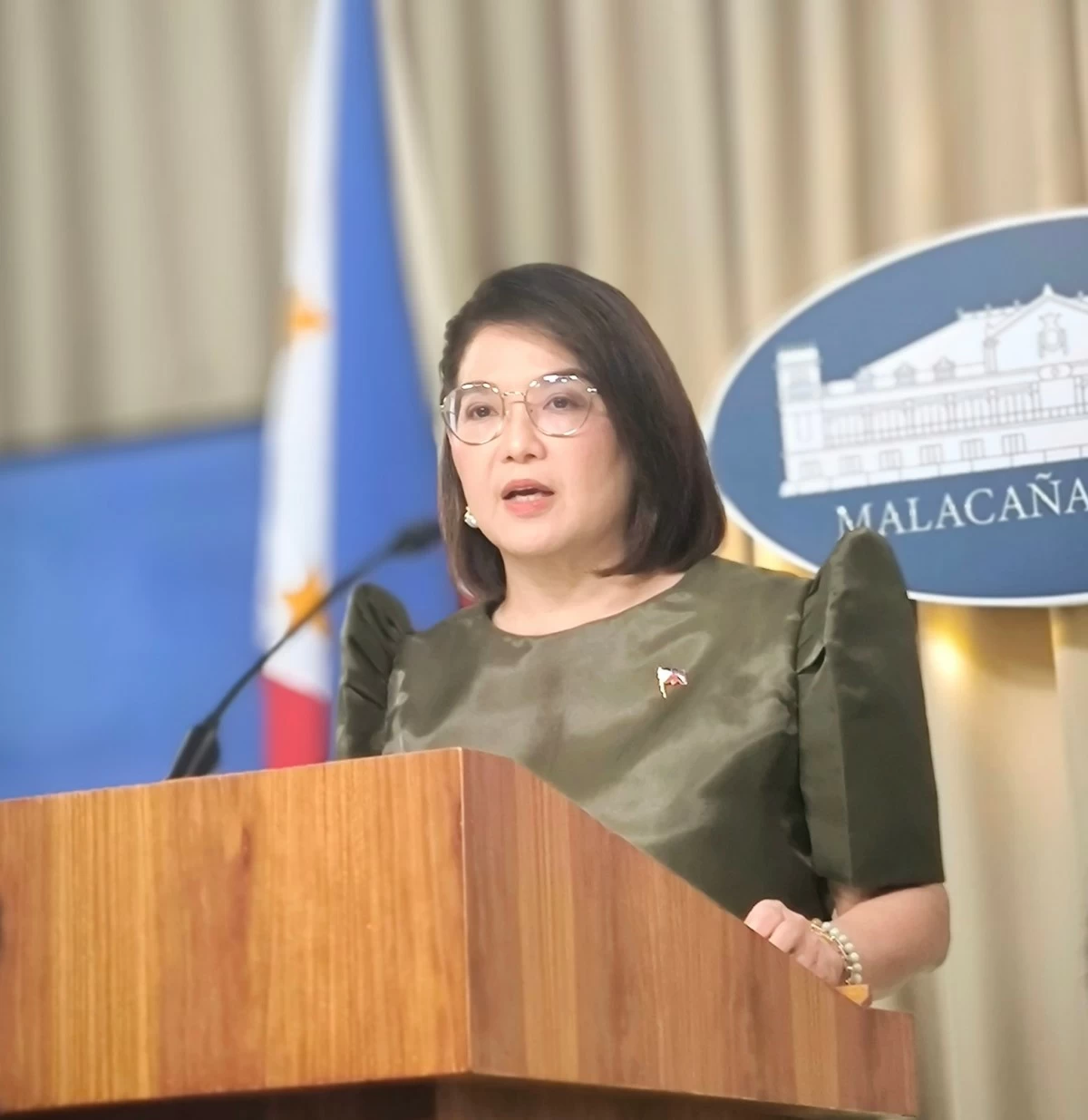
Palace Press Officer and Communications Undersecretary Claire Castro (Betheena Unite)
President Marcos maintains his position over the West Philippine Sea (WPS), thus, the country should also remain consistent in expressing its rights and interests amid disputes, Malacañang said.
Marcos remains firm that no part of the country's territory should be surrendered to any foreign power, Palace Press Officer and Communications Undersecretary Claire Castro said.
The country must be consistent in its stance, Castro stressed, warning that every action has consequences.
"Ganoon pa rin po ang posisyon ng Pangulo, wala pong anumang bahagi ng teritoryo natin o anumang interes ang isu-surrender sa anumang foreign power (The President’s position remains: no part of our territory or any of our interests will be surrendered to any foreign power)," Castro said in a Palace briefing on Monday, Feb. 9.
"Pero dapat din po tayong maging tugma sa ating ipinapahayag. May kasabihan nga tayo: Ang magtanim ng hangin, bagyo ang aanihin (But we must also be consistent in what we express. As the saying goes, ‘He who sows the wind will reap the storm')," Castro added.
The President, however, wants every Filipino to convey the Philippines' territorial rights and interests.
"Pero ang nais din po ng Pangulo, maipahatid ninuman, ng bawat Pilipino kung ano ba ang ating karapatan sa ating teritoryo, kung ano ba ang interes natin sa West Philippine Sea (However, what the President also wants is for everyone, for every Filipino, to convey what our rights are over our territory, and what our interests are in the West Philippine Sea)," the Palace official said.
Castro also downplayed the branding of treason on some officials for supporting China’s claims in the West Philippine Sea.
The statements of some officials over the West Philippine Sea cannot be considered as treason, noting that there is no actual state of war.
"Alam naman po natin, ang isa sa elemento po ng treason ay dapat po na mayroong actual state of war. So, wala naman po tayo sa ngayon na— wala po tayo sa estado ng actual state of war (As we all know, one of the elements of treason is that there must be an actual state of war. At present, we are not—there is no actual state of war)," Castro said.
She then distanced the Palace from the debates happening in the Senate over the WPS issue.
"[K]ung anuman po ang napagdedebatihan sa Senado, ginagampanan lang nila ang kanilang tungkulin at mayroon po tayong sinasabi na freedom of expression (Whatever is being debated in the Senate, they are merely carrying out their duties, and we have what we call freedom of expression)," Castro further said.
Clarity over confusion
As claims about the West Philippine Sea gain traction online, civic leader Jose Antonio Goitia urged Filipinos to be vigilant against narratives that misrepresent the law and weaken national resolve.
"This is a moment that calls not for confusion, but for clarity," he said. "When baseless doubt is normalized, prudence gives way to surrender."
Goitia further said that "Filipinos must weigh claims carefully, especially pro-China narratives circulating online that seek to normalize doubt and undermine confidence in the country’s lawful maritime rights."
He stressed that public debate is a strength of democracy, "but when doubt is repeated often enough, it can begin to sound like truth."
"A nation that begins to doubt its own rights does the work of its challengers for them,” Goitia warned.
"The Philippines’ legal position remains intact. Its institutions continue to act within their mandate. Its rights under international law are affirmed. No amount of online confusion can change these facts," he pointed out.
The Philippines’ position on Ayungin Shoal has always been lawful and consistent, he further said.
"It is defended not as land territory, but as part of the country’s exclusive economic zone (EEZ)," he said, stressing that under international law, the EEZ grants the Philippines sovereign rights to enforce laws, protect resources, and maintain a presence—rights that were affirmed by the 2016 arbitral ruling.
"You do not need to own land to defend what is lawfully yours at sea,” Goitia said. "That is precisely why UNCLOS exists."