






Manila Bulletin
 Technews
GoComet spotlights AI-driven supply chain intelligence at Manila Horizon 2026
Technews
GoComet spotlights AI-driven supply chain intelligence at Manila Horizon 2026
Technews
GoComet spotlights AI-driven supply chain intelligence at Manila Horizon 2026
GoComet spotlights AI-driven supply chain intelligence at Manila Horizon 2026
By Bob Reyes
Published Feb 9, 2026 12:09 pm


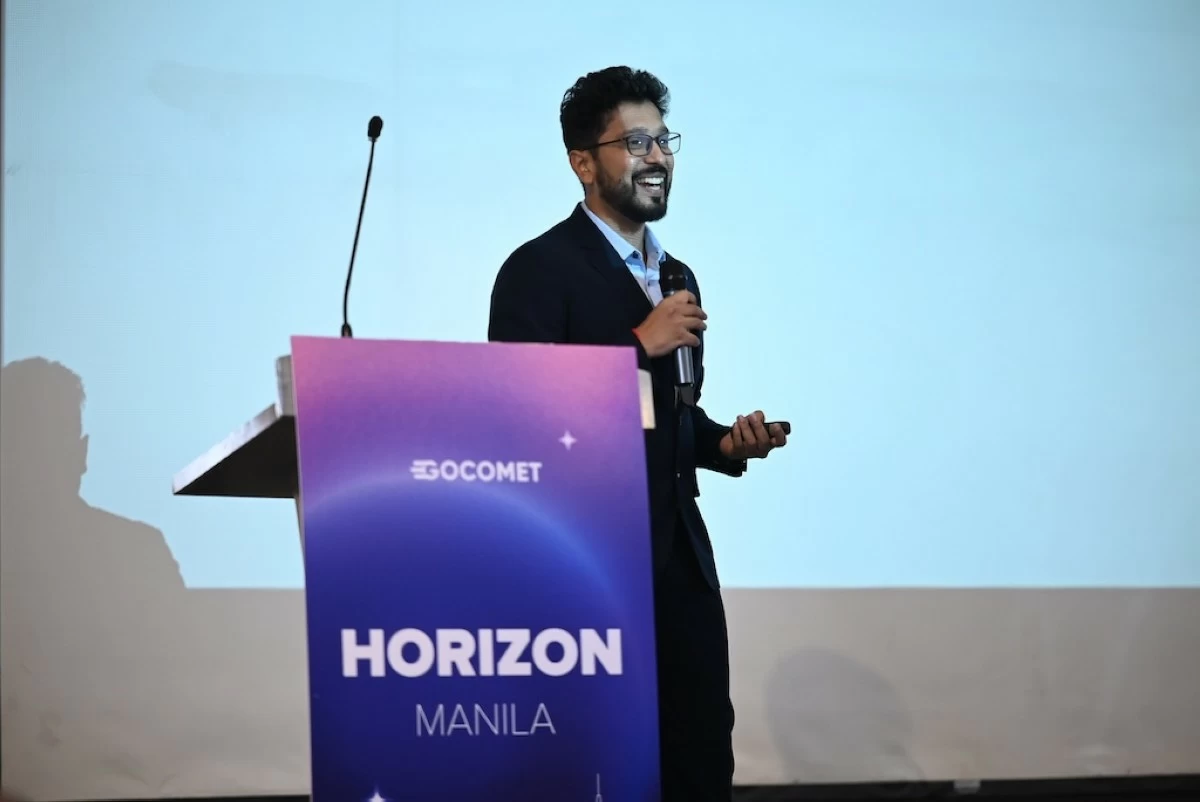
Manila Horizon 2026, hosted by AI-first supply chain automation firm GoComet, convened senior supply chain leaders from some of the Philippines’ largest enterprises to examine how Artificial Intelligence (AI) is transforming enterprise logistics and trade operations in the country. Held at the Sheraton Manila Bay on 22 January 2026, the forum gathered executives and decision-makers from organizations such as Jollibee, Integrated Micro-Electronics Inc. (IMI), Century Pacific Foods, and other major players navigating increasingly complex supply chain environments.
Set against a backdrop of shifting global trade patterns, geopolitical uncertainties, and persistent port and freight disruptions, the event focused on the evolution from basic supply chain visibility toward intelligence-led operations. Discussions emphasized how data, automation, and human expertise are increasingly converging to help Philippine enterprises build resilience, agility, and long-term operational strength.
As a consumption-driven economy and a strategic import hub in Southeast Asia, the Philippines faces unique logistics challenges. Local supply chains are exposed to fluctuating port congestion, fragmented inland transport networks, weather-related disruptions, and external global shocks that can quickly impact domestic manufacturing, retail, and food supply. Industry leaders at the forum noted that while shipment tracking and visibility tools are now standard, organizations are shifting their focus toward systems that can interpret real-time data, identify risks early, and support faster, more informed decision-making across inbound freight and cross-border trade.
GoComet leadership, led by its Cofounder & CEO Chitransh Sahai, highlighted that AI is playing a growing role in strengthening, rather than replacing, human judgment within supply chain teams. By automating monitoring, exception detection, and data consolidation, AI-enabled platforms allow logistics and procurement professionals to spend more time on strategy, supplier collaboration, and scenario planning. This approach is resonating with Philippine enterprises seeking to modernize operations while avoiding additional complexity or operational overhead.
The forum also emphasized the rapid adoption of AI-driven supply chain platforms in the Philippines. GoComet has maintained a presence in the country since August 2021 and has recorded approximately 2.5 times annual growth in the local market since its launch. Today, the Philippines represents nearly 20% of GoComet’s total Southeast Asia customer base, reflecting the country’s increasing importance as a hub for supply chain innovation and digital transformation in the region. Participants noted that this trend mirrors a broader shift among Philippine companies, which are now viewing supply chain intelligence as a strategic capability rather than a purely operational function.
During Manila Horizon 2026, GoComet unveiled its next phase of supply chain intelligence, outlining a progression from automated workflows toward more autonomous logistics operations. Central to this vision is the GoComet AI Centre, which brings together multiple intelligent systems designed to continuously observe operations, analyze real-world context, and assist teams across planning, execution, and risk management. These AI agents function as embedded digital assistants within daily workflows.
Key capabilities showcased included Incident Lens, which links live port conditions, weather patterns, and geopolitical developments directly to shipments for early disruption detection, and Viera, a conversational AI that allows teams to query logistics data using natural language and receive immediate, actionable insights. Together, these systems transform vast volumes of shipment, document, and communication data into prioritized and explainable actions, helping enterprises boost productivity, reduce freight costs, improve inventory turnover, and enhance customer satisfaction.