







10 years later, Coco Mama still tastes like Boracay
A homegrown brand shaped by sun, sand, and local ingredients
Published Feb 4, 2026 08:17 am


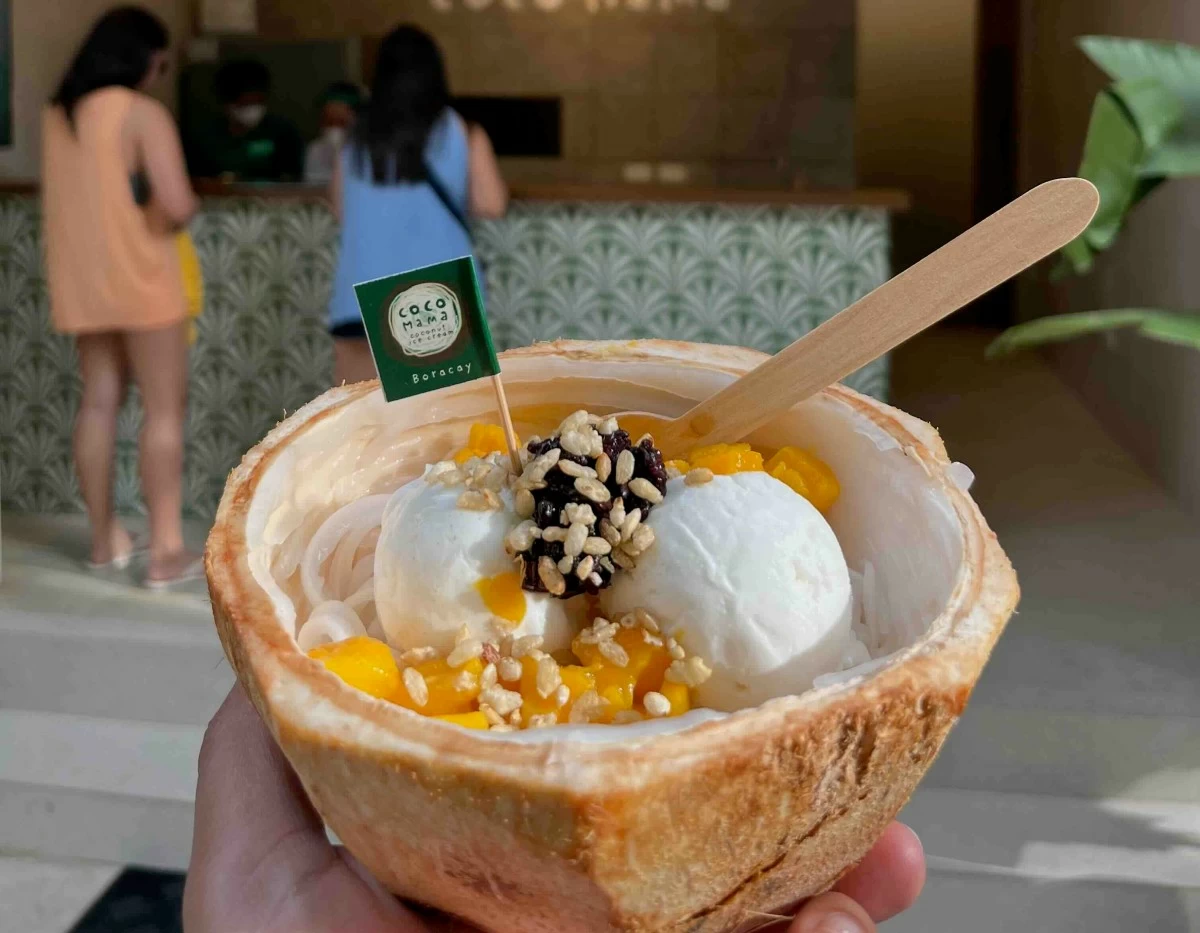
BEACH COOLER A fresh serving from Coco Mama, now a staple stop for visitors looking to cool down in Boracay.
For many Filipinos, Boracay holds years of memories, a familiar stop where friendships formed, milestones happened, and young adulthood played out under blazing sunsets and long, noisy nights.
For me, Boracay has always been a happy place, even if saying so today feels uncool or overly sentimental. From the late 2000s to the early 2010s, yearly trips as a young adult meant days on White Beach and nights that blurred into mornings. It was the era of the original Laboracay, before regulations and curfews–before it was gentrified, when empty beer bottles lined the sand, and parties stretched until 4 a.m., only to restart before lunch. Zedd’s “Clarity” became the unofficial soundtrack of those years, etched permanently in millennial memory.
Boracay is a survivor. I remember when I reported on the massive green algae scare in the late 2010s. The island lived through an unprecedented government closure, a global pandemic, and the excesses of its own popularity. Yet it remains standing, still drawing travelers back.
And woven into that modern Boracay story is a brand that many now consider an island icon.
A beach treat that made sense
When Coco Mama opened in 2016, it quickly found its place on the island.
For someone who is lactose intolerant, its coconut-based, plant-based dessert was not just refreshing but practical. No more bloated, uncomfortable tummy aches for me. More importantly, it was good, the kind of simple island cooler that fit Boracay’s rhythm.
My first encounter with Coco Mama happened during the opening of Hue Hotel Boracay, already as a lifestyle journalist, where the brand’s founders, Nowie and Odette Potenciano, were among the guest merchants. Back then, Coco Mama was still a small beach concept. Last Jan. 30, it marked 10 years.
Looking back, Nowie said the Boracay food scene in 2016 was lively but often repetitive.
“When we opened Coco Mama in 2016, the Boracay food scene was in a different place. While it was already vibrant then, there were a lot of cases where establishments would just do whatever their neighbor was doing,” he said. “For example, every other restaurant then would offer Mongolian grills.”
Having already found success with The Sunny Side Café and Spicebird, the couple leaned into doing the opposite.
“Back then we knew that we had to do something different in order to succeed,” Nowie said. “Hence while we were developing Coco Mama, we knew we had to offer something unique. Another opportunity that we saw was focusing on the in-between meal treat as most everyone was competing on providing lunch or dinner.”
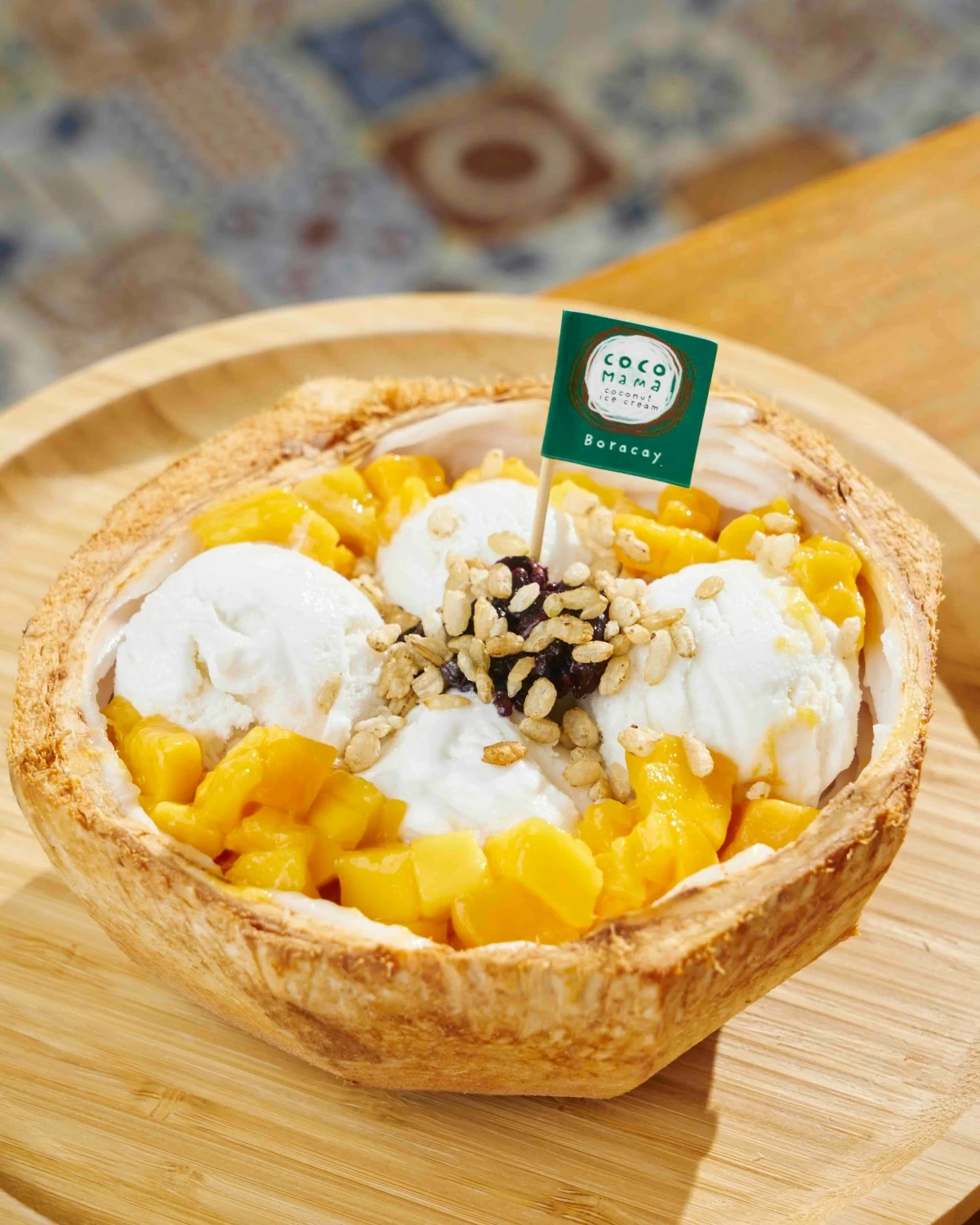
ISLAND SCOOP Coco Mama’s signature plant-based coconut dessert topped with fresh tropical fruit.
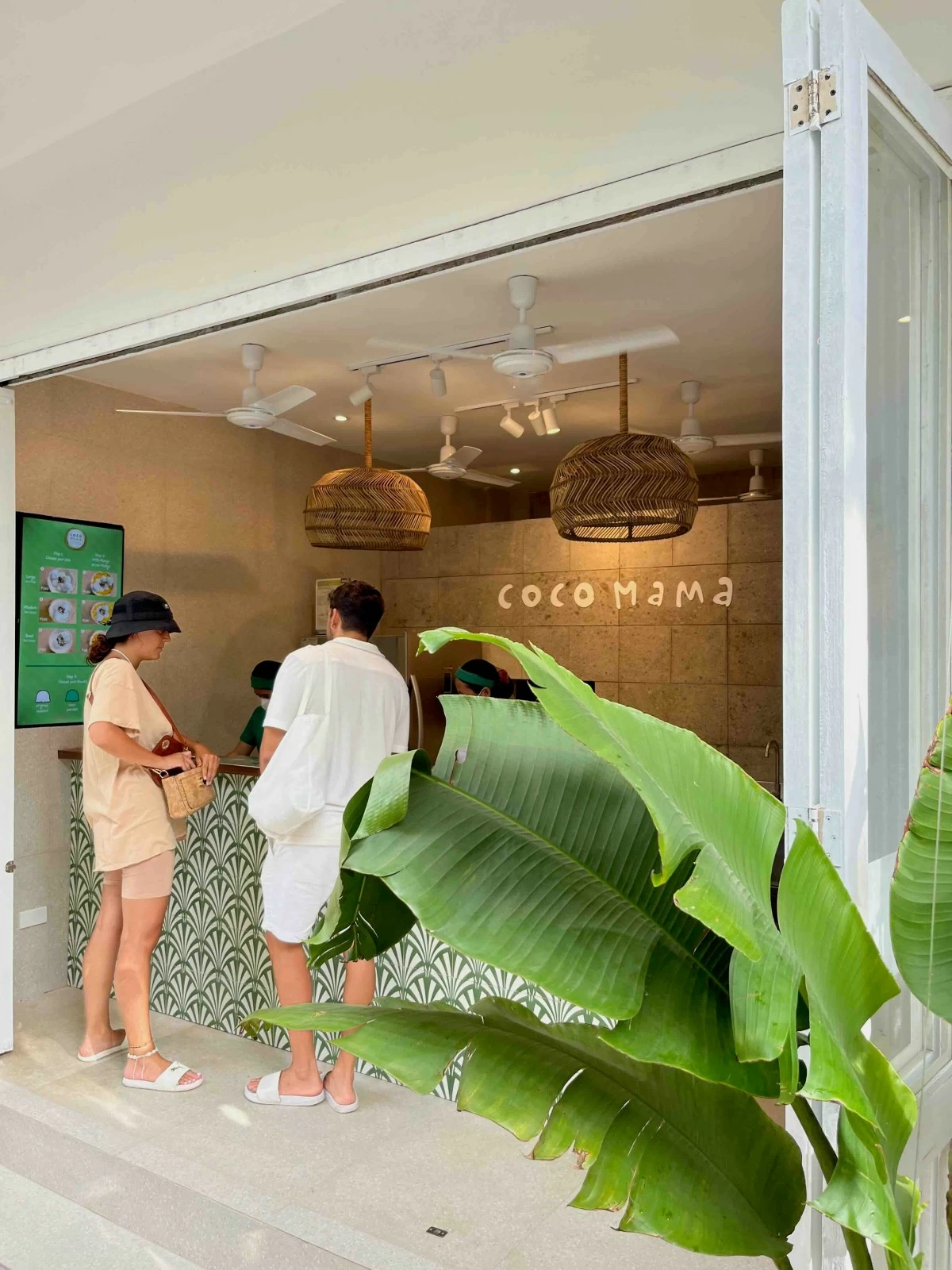
COCONUT CORNER The Coco Mama stall at D'Mall Boracay, a busy hub for locals and tourists.
Keeping it simple
The idea of a coconut-focused, fully plant-based dessert was far from mainstream a decade ago. But the Potencianos leaned into what they had learned from selling in bazaars and weekend markets.
“In our younger years as entrepreneurs, we used to sell in bazaars and weekend markets. And it was there that we learned to focus on just one thing in order to stand out,” Nowie said. “As we were putting Coco Mama together, we felt we had to do the same: keep it simple.”
The concept, he added, grew naturally from the setting.
“How do we offer something that visitors were looking for in a tropical setting like coconut but in a way that’s fresh and new? As for being plant-based, we also felt that it was natural to be committed to that by way of our product. The vegan-friendly aspect fit the brand organically.”
Diners who know what they want
Over the past decade, Boracay itself has changed, and so have its visitors.
“Boracay travelers have become more demanding and discerning,” Nowie said. “When we first started The Sunny Side Café for example, flat whites for example, were unheard of in Boracay. Now it’s ubiquitous in coffee shops all over.”
Beyond global trends, he noticed a growing appetite for food experiences tied closely to place.
“There’s a real hunger among travelers for experiences that are intrinsically tied to the place they’re visiting,” he said. “In our case, coconuts and mangoes were a definitive part of the island experience.”
That same insight later shaped the brand’s offshoots, including Mango Mama, Ube Mama, and Berry Mama.
“There’s definitely a bigger appetite for local ingredients nowadays and I think it was partially driven by the pandemic,” Nowie said. “When borders reopened, travelers wanted to fully experience things they were not able to consume back home, and that included food.”
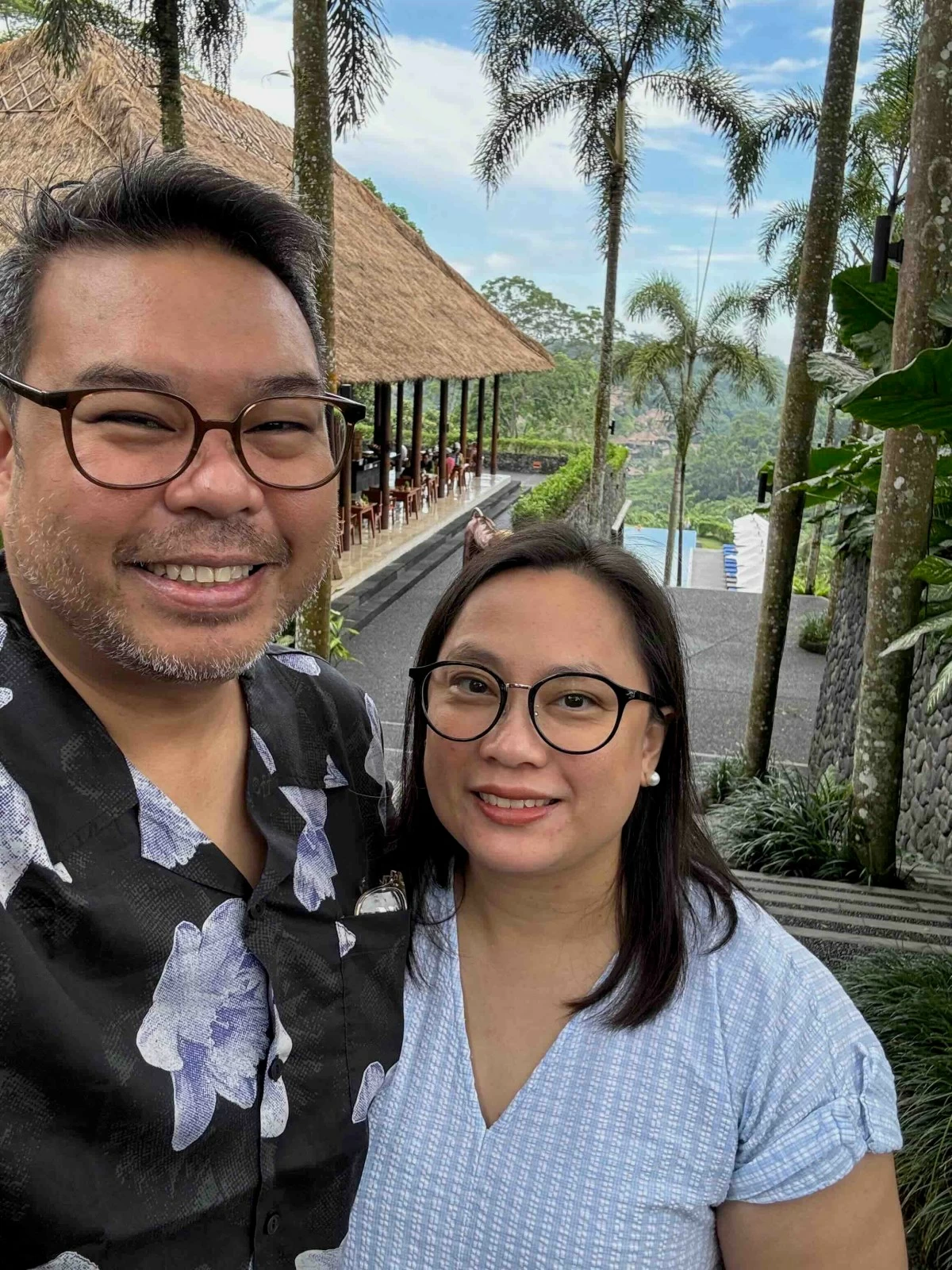
COCO DUO Nowie and Odette Potenciano, the founders of Coco Mama, which marks its 10th anniversary this year.
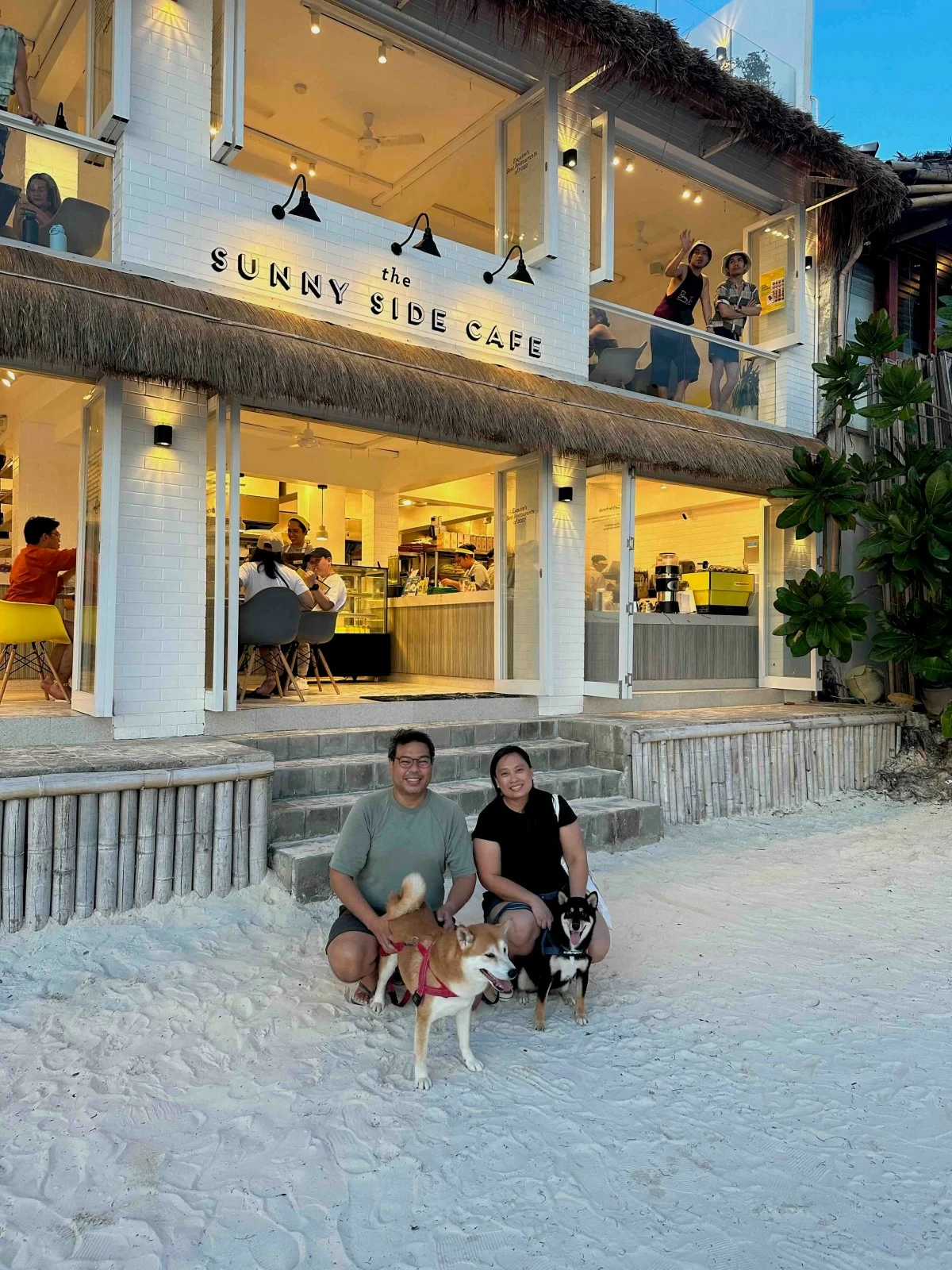
BRUNCH BOSSES Nowie and Odette Potenciano in front of The Sunny Side Café
Early to plant-based
Long before vegan desserts became common, Coco Mama committed fully to a dairy-free product.
“Committing ourselves to offer a fully plant-based product helped Coco Mama in a few ways, the first one being able to stand out in a sea of clutter,” Nowie said. “During that time, most available ice creams all contained dairy. Hence offering a dessert that was vegan-friendly made us unique.”
It also helped protect the brand’s identity.
“That difference also helped us stave off competition because copycats would simply use off-the-shelf dairy ice cream. They simply could not copy the promise of Coco Mama entirely.”
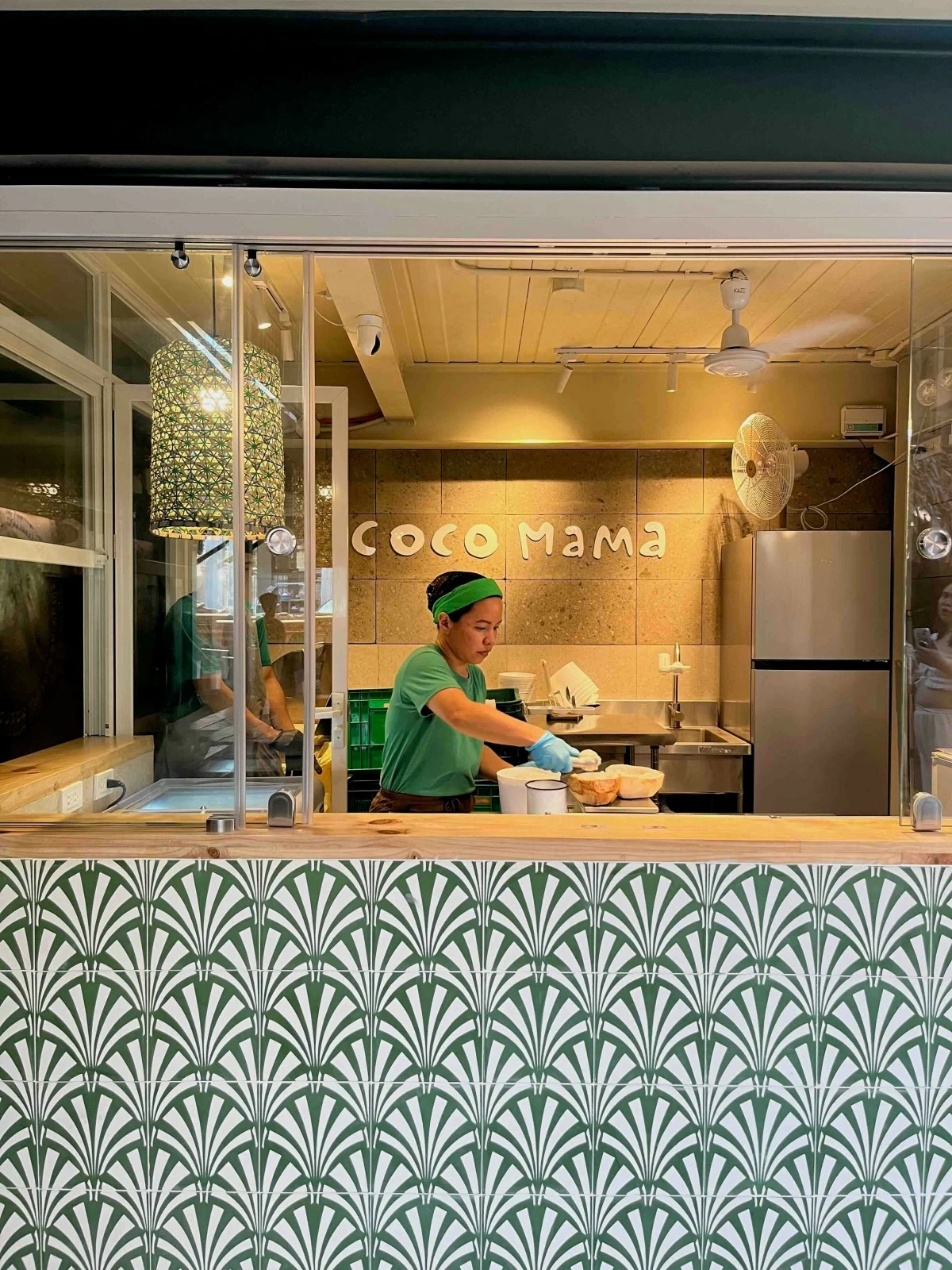
SURF SCOOPS Coco Mama brings its signature coconut dessert to the laid-back surf town of La Union.
Built to last
The past decade tested every Boracay business. Coco Mama faced the island’s closure, the pandemic, and even legal battles.
“I think we were able to overcome some of the challenges we encountered over the years simply by trying to think ahead and being ready,” Nowie said.
Registering the brand early with the Intellectual Property Office helped defend it from companies attempting to use the name years later. Constant pop-ups beyond Boracay strengthened visibility and loyalty.
Asked what mattered most in lasting 10 years, Nowie did not hesitate.
“The biggest key to Coco Mama’s success is being just perfectly suited for its context: being at the beach,” he said. “Its ingredients, format, and promise are exactly what you’re looking for while in the sunny shores of Boracay or La Union.”
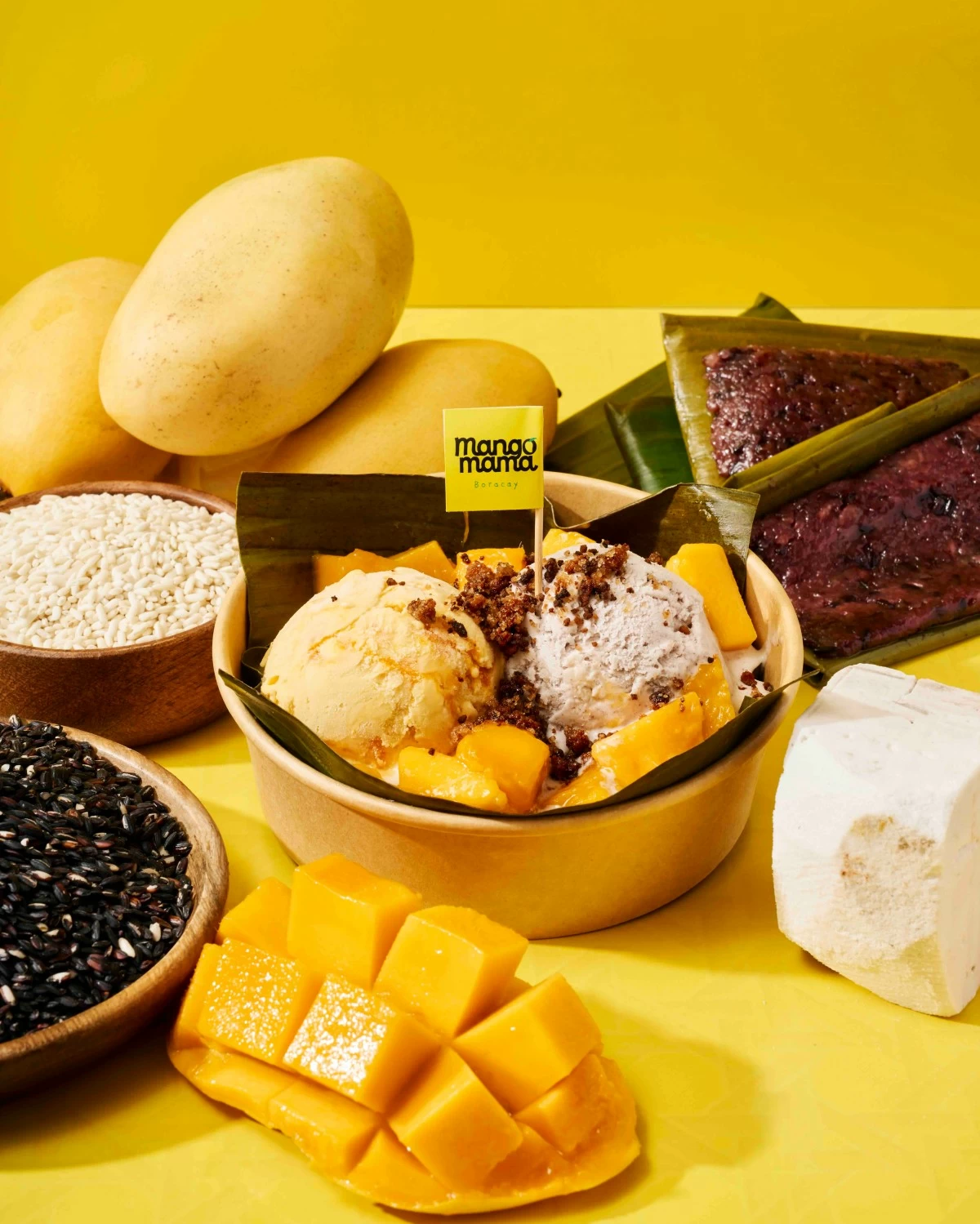
MANGO MAGIC A serving from Mango Mama, the brand’s tropical spinoff.
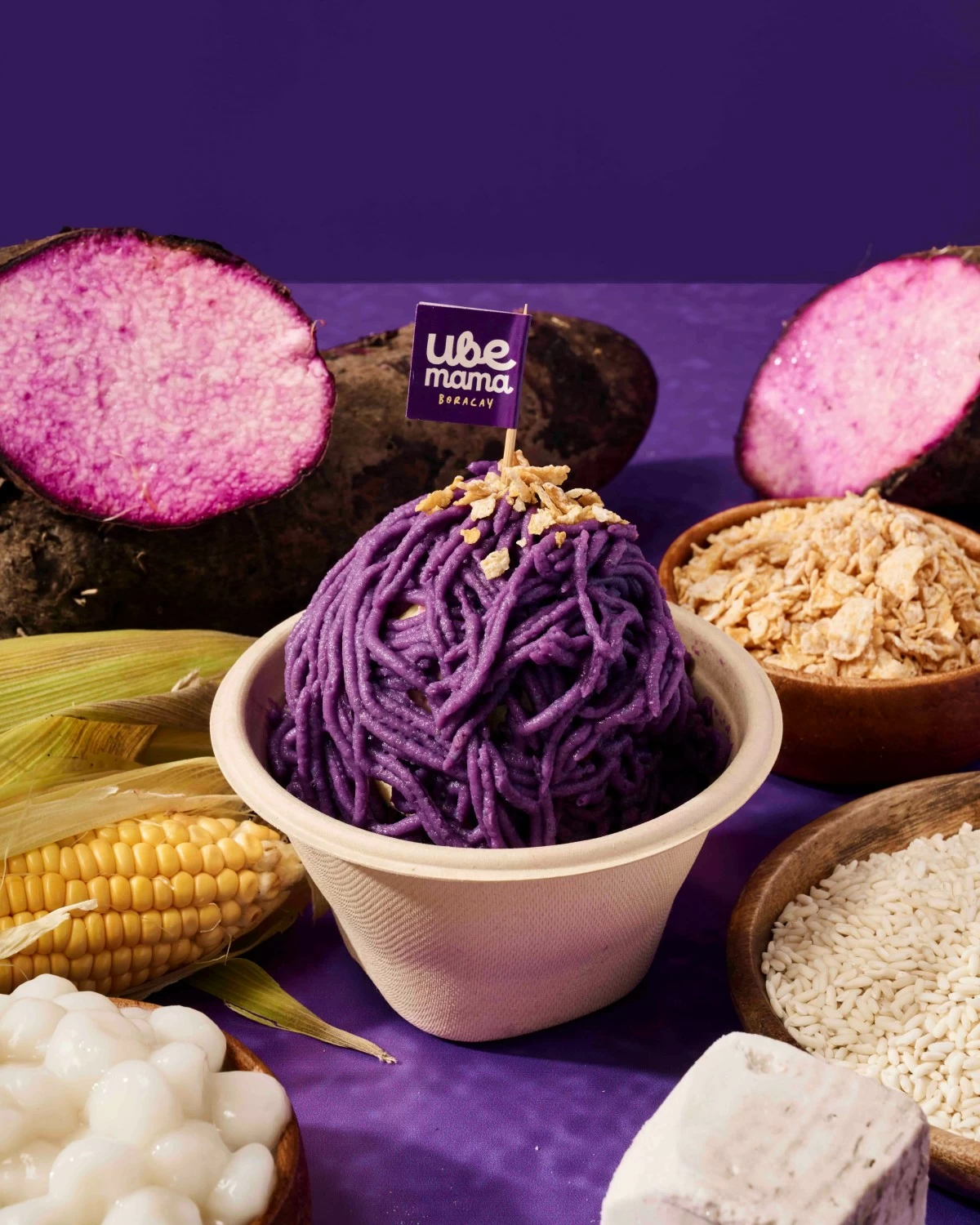
UBE OBSESSION A dessert from Ube Mama, spotlighting the Filipino favorite.
Boracay is not done
Some travelers now call Boracay passé, shifting their attention to La Union or Siargao. Nowie sees it differently.
“While a lot of people have already been to Boracay and look to other destinations to try something new, I think many still find the island to be a joy to revisit again and again because it’s truly unique,” he said.
“We’ve been to many beaches all over the world, and none are as close to Boracay with its fine sand, walkability, and easy access to everything you need.”
Beyond the postcard views, he pointed to the people.
“Behind this beautiful beach, you have communities that truly care, from organizations reviving coral reefs, to those taking care of stray dogs and cats, and to those pushing for the use of local ingredients.”
Growing with a sense of place
As Boracay continues to evolve, Nowie believes homegrown brands will remain essential.
“Homegrown brands and establishments will continue to thrive so long as there’s a strong sense of place and intrinsic relevance,” he said. “We hope that Coco Mama and our other shops become woven into the fabric of every Boracay visit.”
Looking back at the small shop that started it all, what stands out most is not just growth but the lessons learned.
“There’s a real hunger for what’s local,” Nowie said. “A restaurant’s success depends on relevance to its context. You don’t necessarily need a wide menu.”
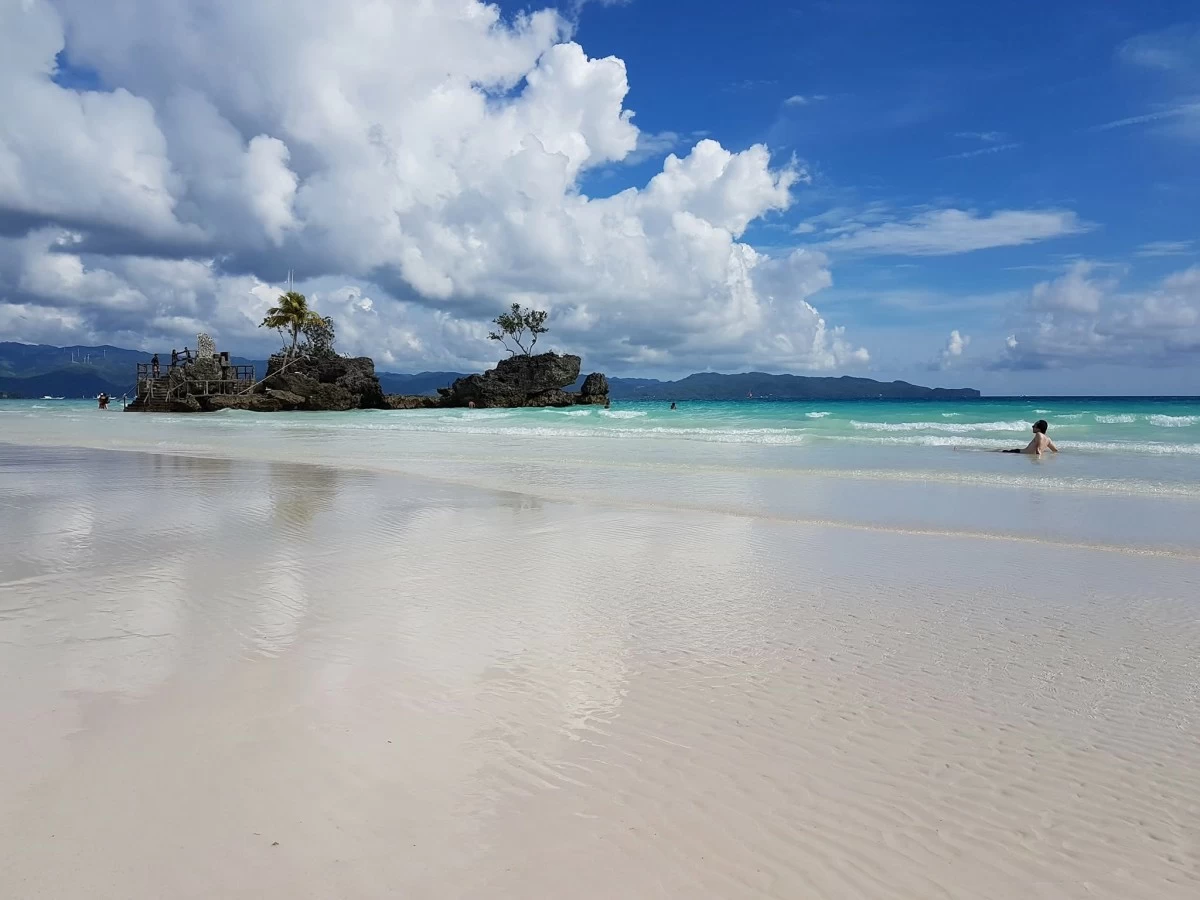
POWDERED PARADISE The white sand shoreline of White Beach Boracay, Boracay’s most famous beach.
Still a happy place
For this writer, Coco Mama’s 10th anniversary feels personal, tied closely to years of memories on that stretch of white sand.
Boracay shaped a generation. It weathered scandals, shutdowns, and reinventions. Through it all, it kept its pull.
And in the middle of that story is a simple coconut dessert, born from doing one thing well, that became part of the island experience.
Happy place or not, Boracay endures. So does Coco Mama.