

ADVERTISEMENT

What are the health benefits of a Hyrox workout?

Is this fitness routine good for your body?

Published Feb 3, 2026 12:14 am  |  Updated Feb 3, 2026 02:10 pm

At A Glance

  • Like any intense workout, it's best to take it easy and go at a pace your body can handle.
This workout session is not for the faint of heart. It’s one that will push you to the edge of your limits.
Hyrox is an indoor German fitness contest created by Christian Toetzke and Moritz Fürste in 2017. It entails several one-kilometer runs, with eight variations of exercise methods to be done after each run. Initially thought of as an exciting new way to race, it is now finding its way to gym doors as a specialized workout routine.

MEET THE CREATORS  Moritz Fürste and Christian Toetzke
MEET THE CREATORS Moritz Fürste and Christian Toetzke
Following the routine
A Hyrox workout heavily involves cardio and strength training. It starts with a one-kilometer run, the first of many, as there is a one-kilometer run in between each station. For the first station, it entails a one-kilometer simulation of skiing, often using a SkiErg machine. After which, you undergo a 50m sled push routine. The sled is a test of strength, with sleds weighing from 102 to 200 kg, depending on one’s gender and skill level. After the push comes the pull, which entails the same distance and sled weight. At the halfway mark, you’ll have to go through 80m of burpee broad jumps. Next comes a kilometer of rowing through the use of a rowing machine. By the sixth station, ready your arms once more, as the farmer’s carry routine involves carrying two kettlebells, with weights of 16 to 32kg each, for over 200m. Station seven has you lunging for 100m, while carrying a sandbag weighing around 10 to 30kg. Finally, the last station has you throwing a wall ball weighing 4 to 9kg over 100 times. It’s as exhausting as it sounds.
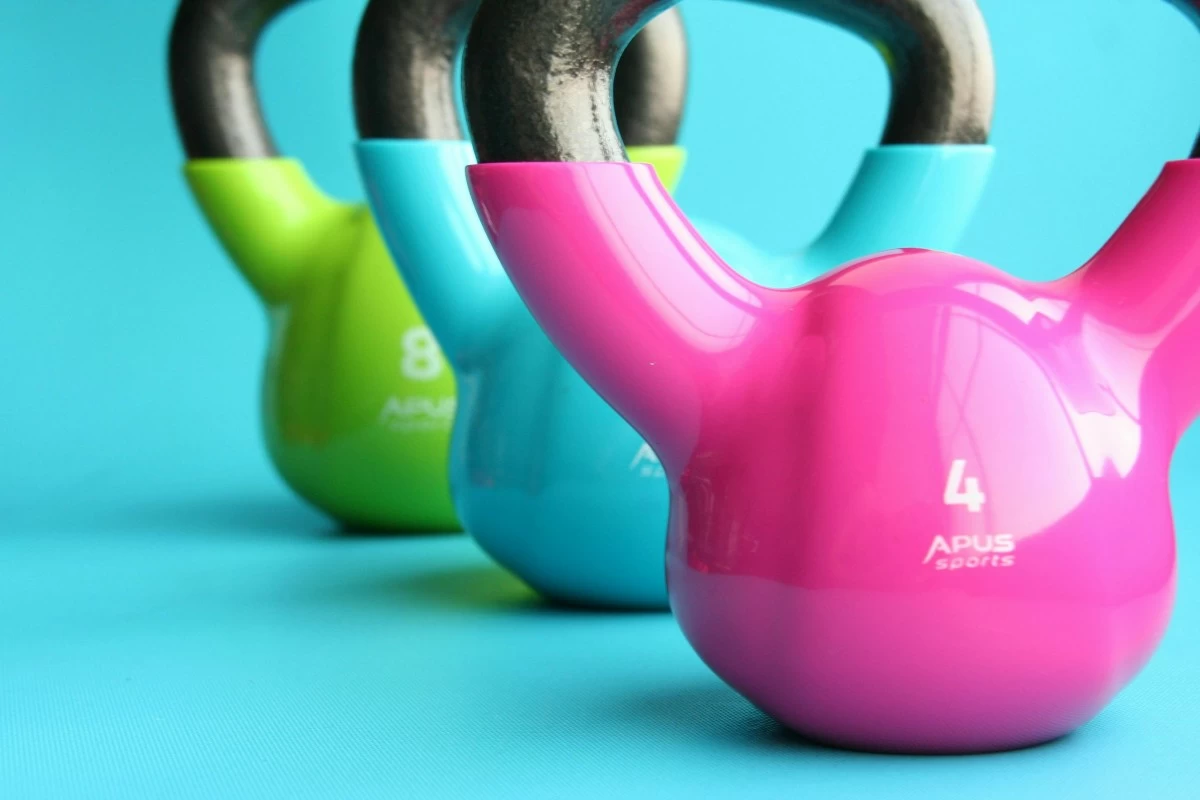
READY TO LIFT The farmer's routine involves carrying two kettlebells over 200m
What are the health benefits of a Hyrox workout?
With such an intense routine, a Hyrox workout has multiple benefits for the body. Its cardio-heavy steps in between each station help burn a good amount of calories. Each station also improves one’s strength, due to the heavy lifting involved.
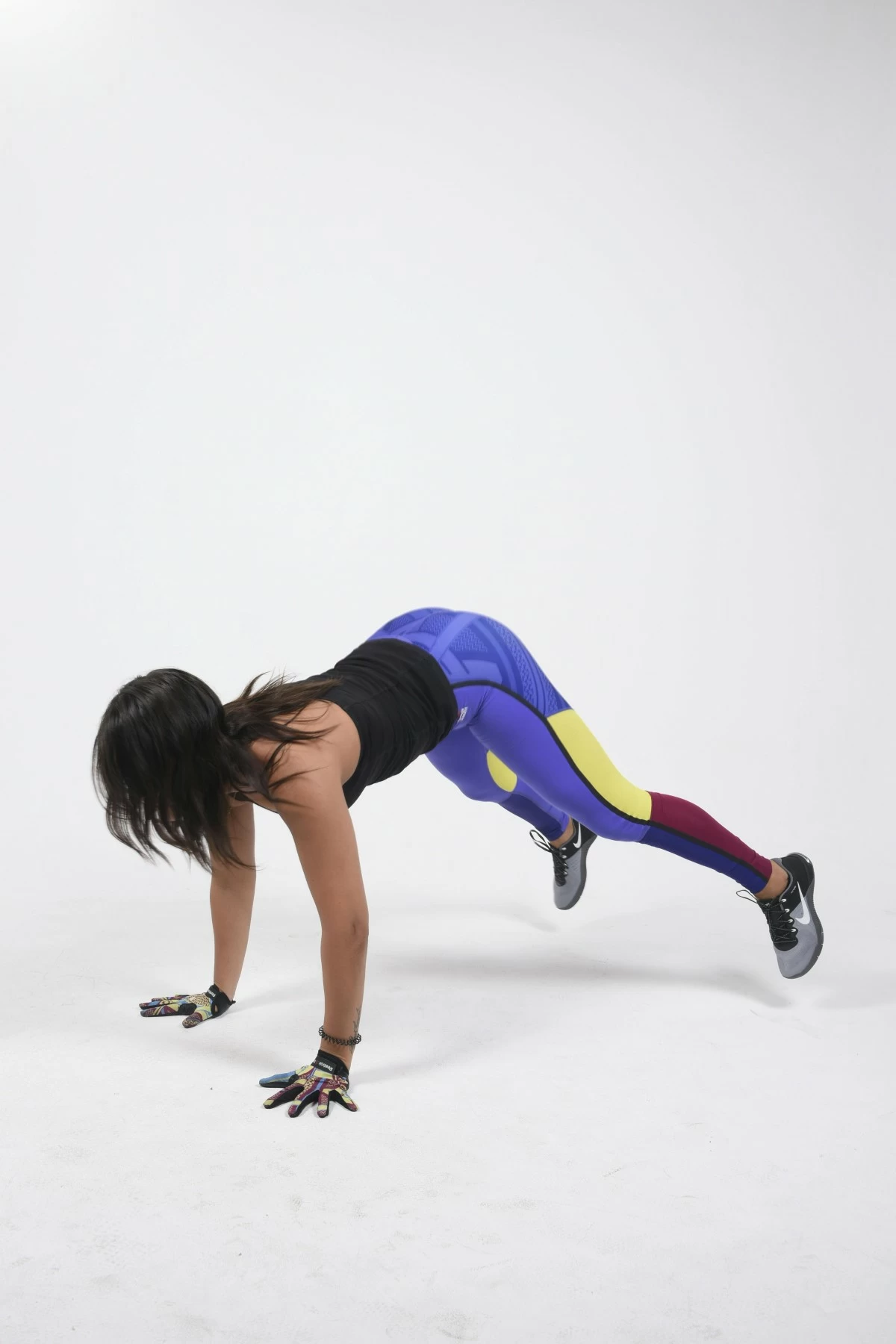
REACH FOR THE SKY Burpee boad jumps go on for 80m
Are there any risks?
Like any intense workout, it’s best to take it easy and go at a pace your body can handle. This type of workout takes time to get used to. You can’t just jump right in, else you’re bound to feel sore afterwards. Ensure you take proper breaks in between each station, or you risk experiencing intense levels of fatigue. Gradual progression is key.

Related Tags

Health and Wellness Hyrox
ADVERTISEMENT
.most-popular .layout-ratio{ padding-bottom: 79.13%; } @media (min-width: 768px) and (max-width: 1024px) { .widget-title { font-size: 15px !important; } }

{{ articles_filter_1561_widget.title }}

.most-popular .layout-ratio{ padding-bottom: 79.13%; } @media (min-width: 768px) and (max-width: 1024px) { .widget-title { font-size: 15px !important; } }

{{ articles_filter_1562_widget.title }}

.most-popular .layout-ratio{ padding-bottom: 79.13%; } @media (min-width: 768px) and (max-width: 1024px) { .widget-title { font-size: 15px !important; } }

{{ articles_filter_1563_widget.title }}

{{ articles_filter_1564_widget.title }}

.mb-article-details { position: relative; } .mb-article-details .article-body-preview, .mb-article-details .article-body-summary{ font-size: 17px; line-height: 30px; font-family: "Libre Caslon Text", serif; color: #000; } .mb-article-details .article-body-preview iframe , .mb-article-details .article-body-summary iframe{ width: 100%; margin: auto; } .read-more-background { background: linear-gradient(180deg, color(display-p3 1.000 1.000 1.000 / 0) 13.75%, color(display-p3 1.000 1.000 1.000 / 0.8) 30.79%, color(display-p3 1.000 1.000 1.000) 72.5%); position: absolute; height: 200px; width: 100%; bottom: 0; display: flex; justify-content: center; align-items: center; padding: 0; } .read-more-background a{ color: #000; } .read-more-btn { padding: 17px 45px; font-family: Inter; font-weight: 700; font-size: 18px; line-height: 16px; text-align: center; vertical-align: middle; border: 1px solid black; background-color: white; } .hidden { display: none; }
function initializeAllSwipers() { // Get all hidden inputs with cms_article_id document.querySelectorAll('[id^="cms_article_id_"]').forEach(function (input) { const cmsArticleId = input.value; const articleSelector = '#article-' + cmsArticleId + ' .body_images'; const swiperElement = document.querySelector(articleSelector); if (swiperElement && !swiperElement.classList.contains('swiper-initialized')) { new Swiper(articleSelector, { loop: true, pagination: false, navigation: { nextEl: '#article-' + cmsArticleId + ' .swiper-button-next', prevEl: '#article-' + cmsArticleId + ' .swiper-button-prev', }, }); } }); } setTimeout(initializeAllSwipers, 3000); const intersectionObserver = new IntersectionObserver( (entries) => { entries.forEach((entry) => { if (entry.isIntersecting) { const newUrl = entry.target.getAttribute("data-url"); if (newUrl) { history.pushState(null, null, newUrl); let article = entry.target; // Extract metadata const author = article.querySelector('.author-section').textContent.replace('By', '').trim(); const section = article.querySelector('.section-info ').textContent.replace(' ', ' '); const title = article.querySelector('.article-title h1').textContent; // Parse URL for Chartbeat path format const parsedUrl = new URL(newUrl, window.location.origin); const cleanUrl = parsedUrl.host + parsedUrl.pathname; // Update Chartbeat configuration if (typeof window._sf_async_config !== 'undefined') { window._sf_async_config.path = cleanUrl; window._sf_async_config.sections = section; window._sf_async_config.authors = author; } // Track virtual page view with Chartbeat if (typeof pSUPERFLY !== 'undefined' && typeof pSUPERFLY.virtualPage === 'function') { try { pSUPERFLY.virtualPage({ path: cleanUrl, title: title, sections: section, authors: author }); } catch (error) { console.error('ping error', error); } } // Optional: Update document title if (title && title !== document.title) { document.title = title; } } } }); }, { threshold: 0.1 } ); function showArticleBody(button) { const article = button.closest("article"); const summary = article.querySelector(".article-body-summary"); const body = article.querySelector(".article-body-preview"); const readMoreSection = article.querySelector(".read-more-background"); // Hide summary and read-more section summary.style.display = "none"; readMoreSection.style.display = "none"; // Show the full article body body.classList.remove("hidden"); } document.addEventListener("DOMContentLoaded", () => { let loadCount = 0; // Track how many times articles are loaded const offset = [1, 2, 3, 4, 5, 6, 7, 8, 9, 10]; // Offset values const currentUrl = window.location.pathname.substring(1); let isLoading = false; // Prevent multiple calls if (!currentUrl) { console.log("Current URL is invalid."); return; } const sentinel = document.getElementById("load-more-sentinel"); if (!sentinel) { console.log("Sentinel element not found."); return; } function isSentinelVisible() { const rect = sentinel.getBoundingClientRect(); return ( rect.top < window.innerHeight && rect.bottom >= 0 ); } function onScroll() { if (isLoading) return; if (isSentinelVisible()) { if (loadCount >= offset.length) { console.log("Maximum load attempts reached."); window.removeEventListener("scroll", onScroll); return; } isLoading = true; const currentOffset = offset[loadCount]; window.loadMoreItems().then(() => { let article = document.querySelector('#widget_1690 > div:nth-last-of-type(2) article'); intersectionObserver.observe(article) loadCount++; }).catch(error => { console.error("Error loading more items:", error); }).finally(() => { isLoading = false; }); } } window.addEventListener("scroll", onScroll); });

Sign up by email to receive news.