







Is your cholesterol high?
Seven ways to naturally lower your cholesterol
By Cheshire Que
Published Jan 19, 2026 08:41 am


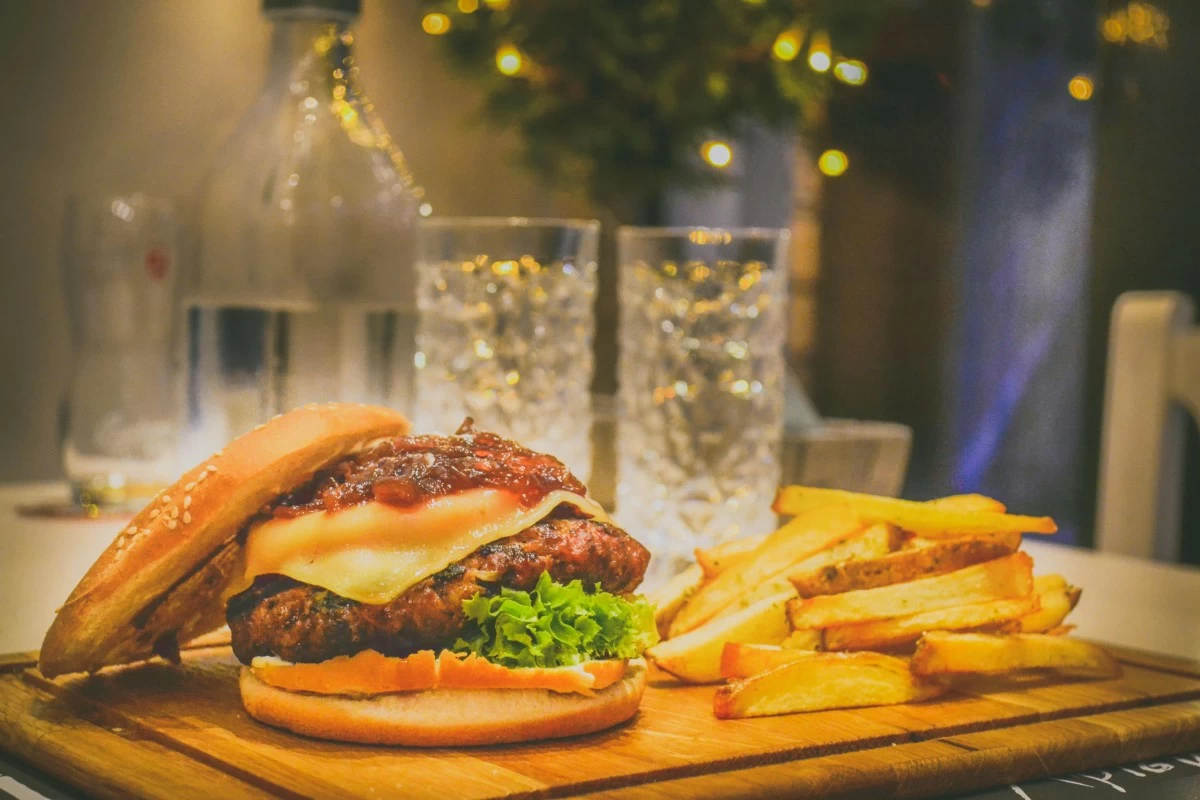
If you are one of the many individuals whose blood test results showed elevated cholesterol, this is your wake-up call. Cholesterol is not all that bad. In fact, it has health benefits. It is important to understand the roles of this waxy, fat-like substance called cholesterol. It is different from fat. Excess cholesterol, however, can block arteries or blood vessels just like fat. It can build up in arteries, harden through time, and occlude the passage of oxygenated blood, causing high blood pressure and eventually, a stroke or a heart attack upon total blockage.
Cholesterol travels in the body by attaching to lipoproteins. There are two types of carrier lipoproteins. The HDL or high-density lipoprotein, commonly known as good cholesterol, transports excess cholesterol, especially the bad ones, from cells and arterial walls to the liver to be broken down and eliminated from the body through the stool. On the other hand, the LDL or low-density lipoprotein, also known as bad cholesterol, surprisingly has important roles in the body too! LDL carries cholesterol by encasing it within a protein shell called ApoB and a fatty center composed of cholesterol esters and triglycerides. They travel through the bloodstream and go to places where LDL cholesterol is needed to repair cells, produce hormones, and build and maintain cell membranes. This is the good part of the bad cholesterol, LDL. It becomes bad only in excess, as it will build up in the walls of arteries, forming plaques. Thus, causing partial or total blockage of blood vessels, which can be fatal.
If you are diagnosed with hypercholesterolemia, there are natural ways to lower and maintain it at normal levels, so hopefully, you can eventually get off medications if you have already been prescribed statins. Here are seven ways to help lower your cholesterol level.
1. Drink water regularly and stay hydrated throughout the day. If you don’t drink at least eight glasses of water or more when you are physically active or in hot weather conditions and your cholesterol level is high, that means that your blood consistency is thickened. This leads to low blood volume, a higher concentration of LDL or bad cholesterol in circulation, and increased blood pressure that is damaging to the heart and entire cardiovascular system. It is important to intentionally drink water regularly throughout the day. Don’t wait until you are thirsty because that is already a sign that you are in a dehydrated state.
2. Eat before noon. Intermittent fasting has its benefits, but it must be done according to one’s circadian rhythm or body clock. Studies have shown that skipping breakfast all the way to lunch can increase LDL cholesterol. Eating late at night or consuming more calories at night can also increase cholesterol. Therefore, it is best to eat your first meal during breakfast or have a brunch or early lunch instead of fasting during the day and eating most of your food at night.
3. Make omega-3 sources a staple in your diet. Omega-3 fatty acids help increase HDL, the good cholesterol, which lowers the concentration of LDL cholesterol. Unfortunately, the human body does not produce omega-3 fatty acids. Therefore, it must be obtained from food. Incorporate plant food sources of omega-3 in your daily diet, such as oats, psyllium husk, chia seeds, soybeans, flaxseed, walnuts, seaweed, and avocado. You can have oats with chia seeds for breakfast or take a tablespoon of psyllium fiber with one glass of water anytime of the day. Animal sources of omega-3 are fatty dishes like salmon, tuna, mackerel, shrimps, and sardines.
4. Avoid refined carbohydrates or sugars. We don’t just get cholesterol from eating fatty food. The lesser-known culprit that contributes to elevated cholesterol is the excessive consumption of refined carbohydrates or refined sugars from sugary beverages, bakery products like pastries and white bread, packaged snacks like cookies, biscuits, chips, and the like. Also, candy bars, chocolates, ice cream, and more. Excess refined sugar is converted into triglycerides or fats in the body. This decreases the production of good cholesterol or HDL. This increases the production of LDL or bad cholesterol. Instead of snacking on ultra-processed carbohydrates, eat wholesome fruits or have starchy vegetables like boiled sweet potatoes. Even if they contain carbohydrates and sugar, they are fiber-rich and can help lower cholesterol in the blood.
5. Avoid saturated fat sources. They stimulate the liver to produce more LDL cholesterol. It is now time to break off your relationship with dairy products. Cow’s milk, cheeses, butter, and ice cream are high sources of saturated fat. Red meat, like pork and beef, are also high in saturated fat. Poultry also contains some saturated fat, so choose the part that has less fat, like the breast. If you can’t give up on red meat, eat it as a treat and not a staple in your diet. The amount you consume must be less than the amount of vegetables you eat.
6. Consume heart-friendly functional foods. Specific foods have functional health benefits impacting cholesterol and heart health because they contain plant chemicals or phytonutrients that help lower blood cholesterol. Consider adding these functional food to your daily intake. Green, black, oolong teas and matcha, dark chocolate, pure cocoa powder, banana, apple, grapes, and berries in their fresh or freeze-dried form. All these contain polyphenols that have been proven to decrease cholesterol.
7. Make time for rest and relaxation. Schedule your rest, take pockets of rest during a busy week. Get at least seven hours of sleep at night. Take a 15 to 30-minute nap if you need to. Take time to breathe deeply in between work or take a 10 to 15 minutes of walking two to three times a day. When your mind and body are stressed out, your stress hormone, cortisol, increases. This impacts cholesterol levels.
It's time to take control of your cholesterol. Remember to follow these natural ways to lower your cholesterol level.