







How do I lose the holiday weight I gained?
Restoring gut health for weight loss
By Cheshire Que
Published Jan 12, 2026 10:52 am


At A Glance
- This year, think of weight management as something that must be healthy and sustainable.
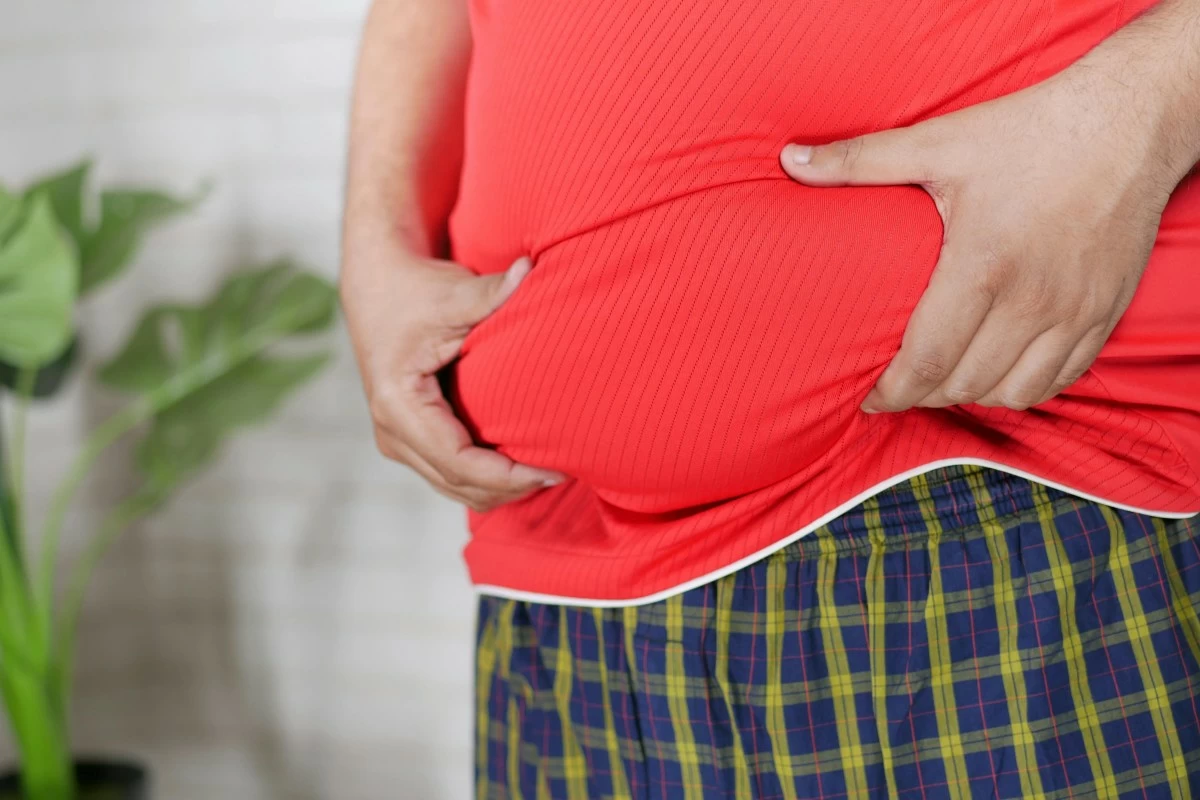
We are all back to reality. The festive vibe is now gone, but unfortunately, the excess weight many of us gained over the holidays has remained. Are you scared of stepping on the scale? Do your clothes feel a bit tighter? Don’t fret! You can start anew. However, do not begin the year by starving yourself or killing yourself with excessively heavy workouts in the hopes that you will lose weight overnight. That did not work out well for you in the past, and neither will it work now.
If you truly want to lose weight in a healthy way, aside from eating a balanced diet, being physically active, getting adequate sleep, and managing your stress, you must pay attention to restoring your gut health. Specifically, ensuring that your gut microbiota or microbiome is balanced.
The gut basically refers to your gastrointestinal system that begins at the mouth and ends at the anus. It is where food enters, goes through the process of digestion, and where the waste from the process of breaking down food exits in the form of stool or feces. The longest or largest part of the gut is the intestines. The intestines house an ecosystem of live microorganisms composed of bacteria, viruses, fungi, and even parasites that can either be beneficial or harmful to the body. For example, when an individual mistakenly consumes rotten food, the harmful bacteria in the gut can multiply and cause diarrhea, especially if the person’s immune system is weak. An imbalanced gut microbiome leads to many health problems. One of these is weight gain and the inability to lose weight efficiently. Weight gain is not just about eating excess calories, although that is one major reason. It is highly impacted by the state of the person’s gut health and gut microbiota.
We have a symbiotic relationship with our gut microbiome. As their host, we provide them with food and shelter inside our bodies. In return, they provide “services” that are needed for our bodily processes to function efficiently. Such as in the case of digestion, breaking down of food, absorption of nutrients, synthesizing or producing nutrients like vitamin K, vitamin B12, vitamin B1, and vitamin B9. They also keep the intestinal lining intact by breaking down dietary fiber to produce short-chain fatty acids. Thus, keeping the cells in the intestines healthy. Healthy gut cells are efficient in digesting food, absorbing nutrients, and helping promote a good metabolism for weight management.
In 2020, Antoine Aoun and colleagues reviewed 83 scientific studies and articles on the influence of the gut microbiome on obesity in adults and the role of probiotics, prebiotics, and synbiotics for weight loss. Through their research, they showed that the gut microbiome has an impact on the metabolism of nutrients, including fat, protein, and carbohydrates, as well as metabolism or energy expenditure.
Should we start pill-popping probiotic supplements now? No, we should not! While probiotic supplements may be needed for some individuals, especially those who had undergone antibiotic therapy or experiencing diarrhea, probiotic supplementation is not meant to be taken forever if your diet includes a variety of plant food sources that provide sustenance, mainly in the form of fiber, which is fermented by the microorganisms in the gut in order to feed them and make them proliferate.
If you want to keep your gut microbiome healthy in order to aid weight loss, it is important to begin consuming plant food sources that will help feed and produce more beneficial bacteria. Having more beneficial bacteria will decrease or suppress the growth of harmful microorganisms that wreak havoc with the digestion, absorption, and metabolism of nutrients, favoring weight gain.
Food sources that act as food for the gut microbiome are known as prebiotics. Prebiotic food sources are high in fiber. Bear in mind that fiber only exists in plant food. Therefore, drinking milk or eating steak will never give you prebiotics or fiber. Fermented milk or milk-based kefir beverages may contain live microorganisms. They are, however, not considered prebiotics.
Filipinos love to cook with onions and garlic. These two vegetables are very good sources of prebiotics. Therefore, do not discard these from your dish. Go ahead and eat them with your meal. Bananas, apples, and other fruits like papaya not only serve as prebiotics but also provide enzymes that help break down protein, fat, and carbohydrates. Have fruits for desserts or snacks instead of consuming sugary, fatty, calorie-laden, and highly processed products to end your meal or to snack on. Intentionally make vegetables (cooked and uncooked salads) available in every meal. You can also have fruit and vegetable smoothies in the morning, as a snack, or when you end your day, since fresh produce may not be readily available when you are dining out. You can also have oats for breakfast, colored rice (brown, red, or black) during meals, and even add some psyllium husk to your water as a prebiotic source. You can replace meat dishes with soy, and your gut microbiome will have a feast.
This year, think of weight management as something that must be healthy and sustainable. Do not go on crash diets. Instead, slowly transition to having a wholesome, plant-predominant way of eating because this is the best, if not the only way to promote a healthy gut microbiome that will greatly impact your weight.
Happy, healthy new year!