






 Business
Amid increased spending, Marcos admin posts over ₱170-billion budget deficit in February
Business
Amid increased spending, Marcos admin posts over ₱170-billion budget deficit in February
Amid increased spending, Marcos admin posts over ₱170-billion budget deficit in February


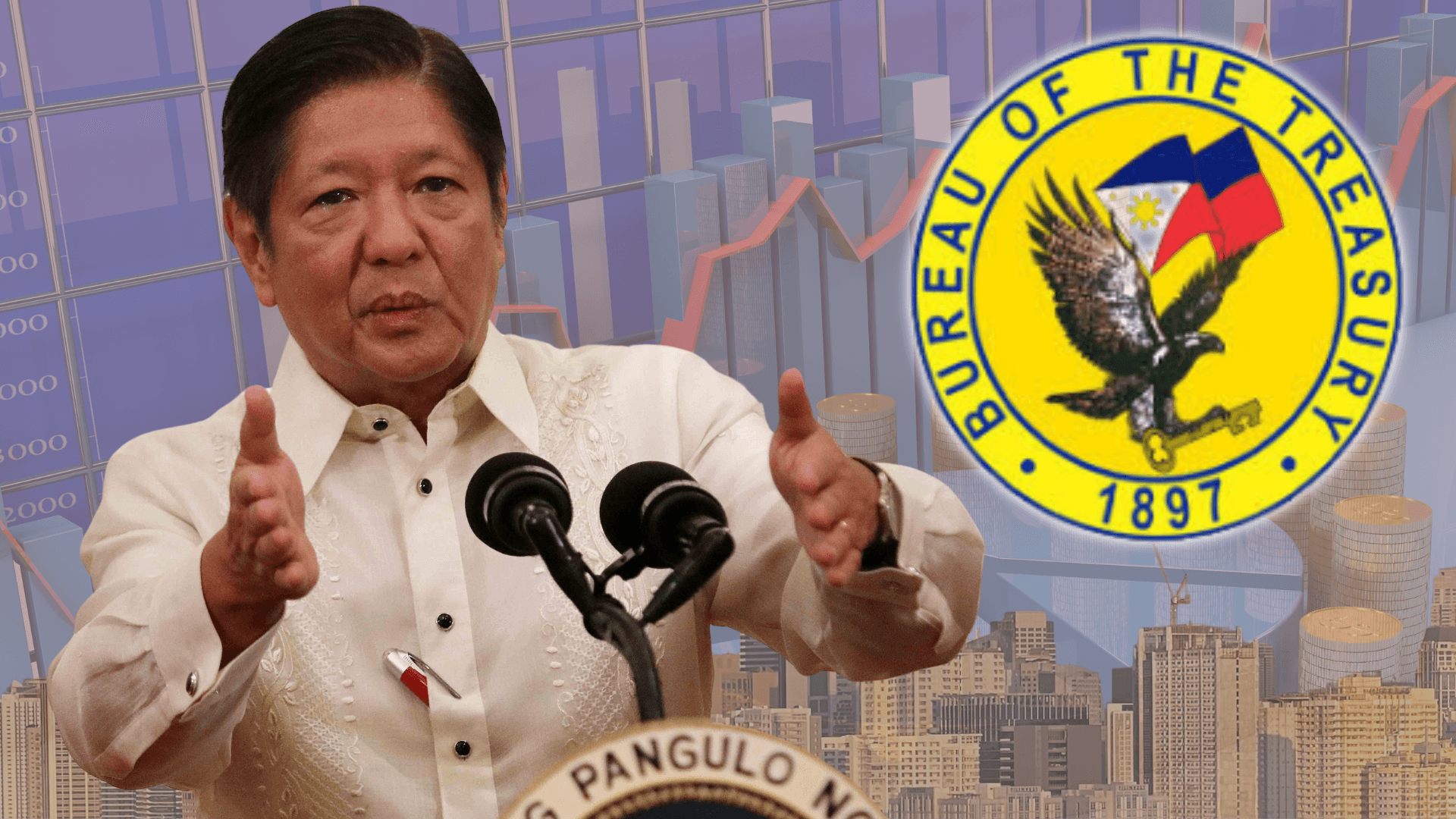
The Marcos administration posted a ₱171.4-billion budget deficit in February 2025, as the government had spent more than it earned, according to the Bureau of the Treasury (BTr).
February’s deficit reversed the over ₱68-billion seasonal surplus seen in the previous month. It was also higher than the deficit seen in February last year, which was at ₱164.7 billion. For the first two months, the budget shortfall stood at ₱103.1 billion.
During the month, the Marcos administration spent a total of ₱423.2 billion, increasing by ₱34.5 billion, or nearly nine percent, from last year’s ₱388.7 billion. It raised its spending by ₱24.4 billion, or over six percent, from January’s total expenditure.
“The expansion was credited to higher capital expenditures of the Department of Public Works and Highways (DPWH), particularly from progress billings and payment of right-of-way (ROW) acquisition for its various infrastructure projects,” according to the BTr.
Disbursements by the national government accounted for more than 60 percent of total expenditures. In February, the government disbursed ₱256 billion, up nearly ₱31 billion, or 14 percent, from ₱225 billion last year.
More than 24 percent of total expenditures went towards the allotment to local government units (LGUs). It had an almost flat movement, from ₱101.5 billion last year.
Interest payments accounted for over 11 percent of the total, at ₱48.4 billion. It also increased modestly, from ₱47.8 billion a year ago.
Subsidies and tax expenditures collectively accounted for nearly four percent, with a cumulative amount of ₱16.8 billion.
Meanwhile, total revenues in February stood at ₱251.8 billion, up from ₱224 billion in the same month last year. This is equivalent to a ₱27.8-billion, or an over 12-percent, increase.
But relative to January’s total earnings, February’s revenues were ₱170-billion, or more than 40-percent, lower.
The majority, or over 93 percent, of these total earnings were accounted for by revenues from taxes, at ₱234.4 billion. It increased by ₱23.1 billion, or nearly 11 percent, from ₱211.3 billion in February 2024.
The Bureau of Internal Revenue (BIR), the country’s main tax-collection agency, contributed more than 68 percent of total tax earnings.
For February, the BIR raked in ₱159.7 billion, up ₱21.7 billion, or nearly 16 percent, from the agency’s previous earnings of ₱138 billion.
The Bureau of Customs (BOC), the country’s second-largest tax collection agency, contributed nearly 31 percent to total tax revenues. The agency’s ₱71.8 billion increased slightly, from last year’s ₱70.6 billion.
Overall non-tax revenues—nearly seven percent of the total revenues—stood at ₱17.4 billion, up by ₱4.7 billion, or more than 37 percent, from last year’s ₱12.7 billion.
BTr and other non-tax incomes stood at ₱7.9 billion and ₱8.1 billion, respectively.
While the BTr’s income rose slightly from ₱6.5 billion, other non-tax incomes had a notable ₱6.8-billion, or more than 500-percent, surge from ₱1.3 billion a year ago.
Last year, the government exceeded its targeted fiscal deficit of ₱1.48 trillion when it reached ₱1.51 trillion, 5.7 percent of the country’s gross domestic product (GDP).
For this year, the Marcos administration is increasing its budget deficit to ₱1.54 trillion, 5.3 percent of GDP. In terms of amount, this figure would make the widest deficit in three years, if achieved.