The Marcos administration accelerated its fundraising drive in July, pushing total gross borrowings past the ₱2 trillion mark for the first seven months of the year. According to the Bureau of the Treasury, gross financing reached ₱2.11 trillion in January to July, a 20 percent expansion...
State spending outpaced revenue growth in the first seven months of the year, pushing the national government’s (NG) fiscal deficit to ₱893.1 billion, 14 percent wider than the ₱784.4-billion shortfall recorded during the same period in 2025. The NG ’s latest cash operations report (COR)...
Government subsidies to state-run firms more than doubled to ₱114.6 billion in the first half of 2026, sustained by the huge April release to Philippine Health Insurance Corp. (PhilHealth) and the June subsidy to Food Terminal Inc. (FTI). The latest Bureau of the Treasury (BTr) data showed that...
With roughly ₱3 trillion worth of Philippine government bonds eligible for their first-ever inclusion in JPMorgan Chase & Co.’s emerging-market (EM) index, the landmark entry is expected to broaden the country’s investor base and help lower borrowing costs, although only approximately ₱308...
The Philippines recorded the second-largest increase in 10-year government bond yields among selected Asia-Pacific economies since the war in the Middle East began, raising the government’s borrowing costs at a time when the Marcos Jr. administration is relying heavily on domestic debt to finance...
Domestic principal payments continued to dominate national government debt settlements in the first half of the year, driving total debt servicing up by three-fifths to ₱1.23 trillion. According to the latest Bureau of the Treasury data, total debt payments from January to June surged 59.7...
State-run Philippine Deposit Insurance Corp. (PDIC) is intensifying efforts to recover ₱107 billion remitted to the national treasury to rebuild its deposit reserve cushion even as executives maintain operational targets remain intact despite the reduced capital base. PDIC President and Chief...
The national government’s outstanding debt breached the ₱19-trillion mark for the first time, surpassing its full-year fiscal target six months ahead of schedule following a sharp acceleration in local and foreign borrowing. The Bureau of the Treasury reported on Thursday, July 30, that total...
The Marcos administration ramped up borrowing in June, with a late second-quarter debt push bringing total gross borrowings in the first half of the year to ₱1.82 trillion.
According to the Bureau of the Treasury, the six-month total represents a 14.5 percent increase from the ₱1.59...
The national government’s fiscal deficit reached ₱786.8 billion in the first half of the year, widening from the ₱765.5 billion shortfall recorded in the same period in 2025 as state spending outpaced revenue growth. Despite the year-on-year increase, the Bureau of the Treasury (BTr) noted in...
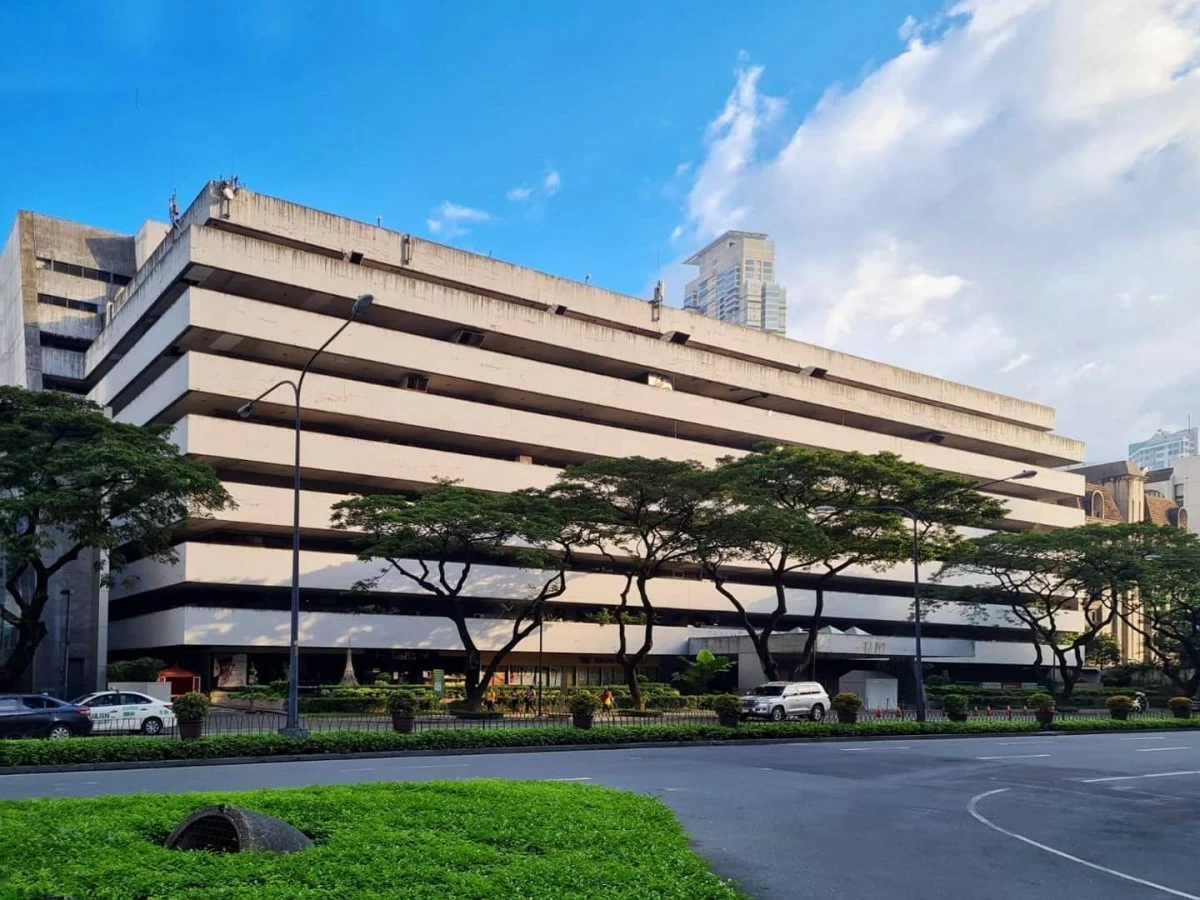
More idle government assets valued at roughly ₱30 billion are expected to be disposed of through privatization as the government successfully completed the ₱1-billion sale of one floor of Atrium of Makati, bringing first-half revenues close to the full-year figure for 2025. On Thursday, July...
Domestic lenders demanded higher lending rates from the government through the sale of long-dated debt papers, but the government rejected the bids after deeming the rates too expensive while demand remained subdued. During the latest treasury bond (T-bond) auction on Tuesday, July 14, the Bureau...