






 Business
Marcos spending outpaces revenue growth, pushing Q1 budget deficit to ?479 billion
Business
Marcos spending outpaces revenue growth, pushing Q1 budget deficit to ?479 billion
Marcos spending outpaces revenue growth, pushing Q1 budget deficit to ?479 billion


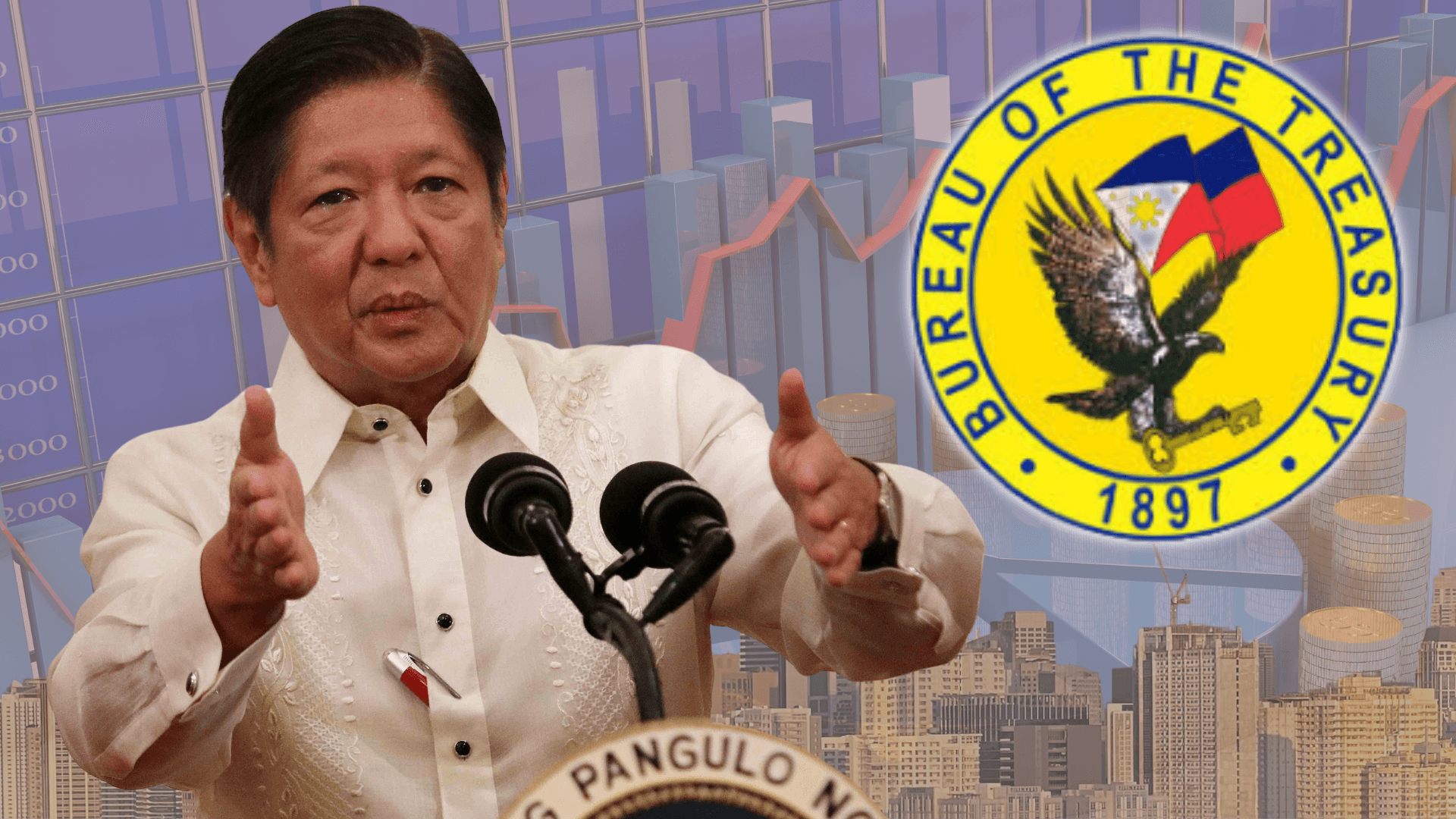
Despite surging to ₱478.8 billion in the first quarter of 2025, the national government expects the full-year budget gap to stay within the ₱1.5 trillion target, citing expected non-tax revenues and a more balanced expenditure rollout in the coming months.
Data from the Bureau of the Treasury (BTr) showed that the budget deficit jumped by nearly 76 percent reaching nearly half a trillion pesos from ₱272.6 billion a year earlier, as government spending outpaced revenue growth.
It also showed that the deficit for the first three months of the year accounted for nearly 31 percent of the target deficit for the year at P1.54 trillion.
“With dividend remittances and other non-tax receipts expected to materialize in the succeeding quarters, and as expenditures continue to track the full-year program in a more balanced manner, the 2025 fiscal deficit is projected to remain within the P1.5 trillion target,” the BTr said in a statement released April 29, Tuesday.
During the January to March period, the Marcos administration spent a total of ₱1.48 trillion, increasing by ₱270.6 billion, or over 22 percent, from last year’s ₱1.21 trillion.
According to the BTr, these expenditures accounted for nearly 31 percent of the P6.18 trillion full-year disbursement program for 2025.
National government disbursement, which accounted for nearly 61 percent of the total expenditures, reached P911.5 billion. It increased by P183.8 billion or more than a quarter from P727.7 in the previous year.
Almost 20 percent of total expenditures, at P289.3 billion, went towards the allotment to local government units (LGUs). It posted a P29.4-billion or over 11-percent increase from last year’s P259.9 billion.
Interest payments accounted for over 16 percent of the total, at ₱241 billion. It also increased modestly, from ₱47.8 billion a year ago. It had an almost a quarter increase from last year’s P193 billion expenses in loan interest payments.
Subsidies and tax expenditures collectively accounted for over two percent, with a cumulative amount of ₱33.8 billion.
First quarter collections
Meanwhile, total revenues in the first quarter stood at ₱998.2 billion, up from ₱933.7 billion in the same month last year. This is equivalent to a ₱64.5-billion, or a nearly seven-percent, increase.
The majority, or over 93 percent, of these total earnings were accounted for by revenues from taxes, at ₱931.5 billion. It increased by ₱111.1 billion, or almost 14 percent, from ₱820.4 billion in the same period last year.
Tax collections climbed by nearly 14 percent in the first three months of 2025, totaling ₱931.5 billion. By value, the government had increased its tax revenues by ₱111.1 billion from ₱820.4 billion a year ago.
As the Philippines’ largest tax collection agency, the Bureau of Internal Revenue (BIR) contributed the largest share at ₱690.4 billion, over 74 percent of the total tax collection.
BIR’s collections increased by nearly 17 percent from last year’s ₱591.8 billion on the back of “higher collections from personal income tax (PIT), corporate income tax (CIT), percentage taxes, value-added tax (VAT), excise taxes, documentary stamp tax, and percentage taxes.”
Meanwhile, the Bureau of Customs (BOC), the second-largest tax collection agency, raised ₱231.4 billion, an almost six-percent growth from last year’s ₱218.9 billion. This was due to “higher VAT from non-oil imports and excise tax collections from oil and non-oil imports,” the BTr said.
According to the DOF’s statement released April 29, the increases in tax revenues were “primarily due to both revenue agencies’ continued success in strengthening tax administration, digitalization, and enforcement efforts.”
Last year, the government exceeded its targeted fiscal deficit of ₱1.48 trillion when it reached ₱1.51 trillion, 5.7 percent of the country’s gross domestic product (GDP).
For this year, the Marcos administration is increasing its budget deficit to ₱1.54 trillion, 5.3 percent of GDP. If realized, this figure would make the widest deficit in three years, in terms of amount.